Latest from Scripps Research

The people, discoveries and stories powering life-changing scientific breakthroughs.

For media inquiries, email us: [email protected]


Featured
Scripps Research scientists train the immune system to make antibodies against numerous HIV strains
News

Scripps Research scientists train the immune system to make antibodies against numerous HIV strains

Event background

The Front Row lecture series: Ryan Shenvi, PhD

Wednesday, August 19, 2026

4:00 - 6:00 PM PT

Enter curious, leave informed.

Event
Calibr-Skaggs advances CLF065, a regenerative GLP-2 therapy, into two Phase 2 IBD studies
News

Calibr-Skaggs advances CLF065, a regenerative GLP-2 therapy, into two Phase 2 IBD studies

CLF065, a long-acting, once-weekly GLP-2 receptor agonist, advances in two inflammatory bowel disease indications. The studies aim to bring a regenerative treatment option to patients living with IBD, who currently have few therapies that repair the damaged intestinal lining at the root of their disease.

Filter by:
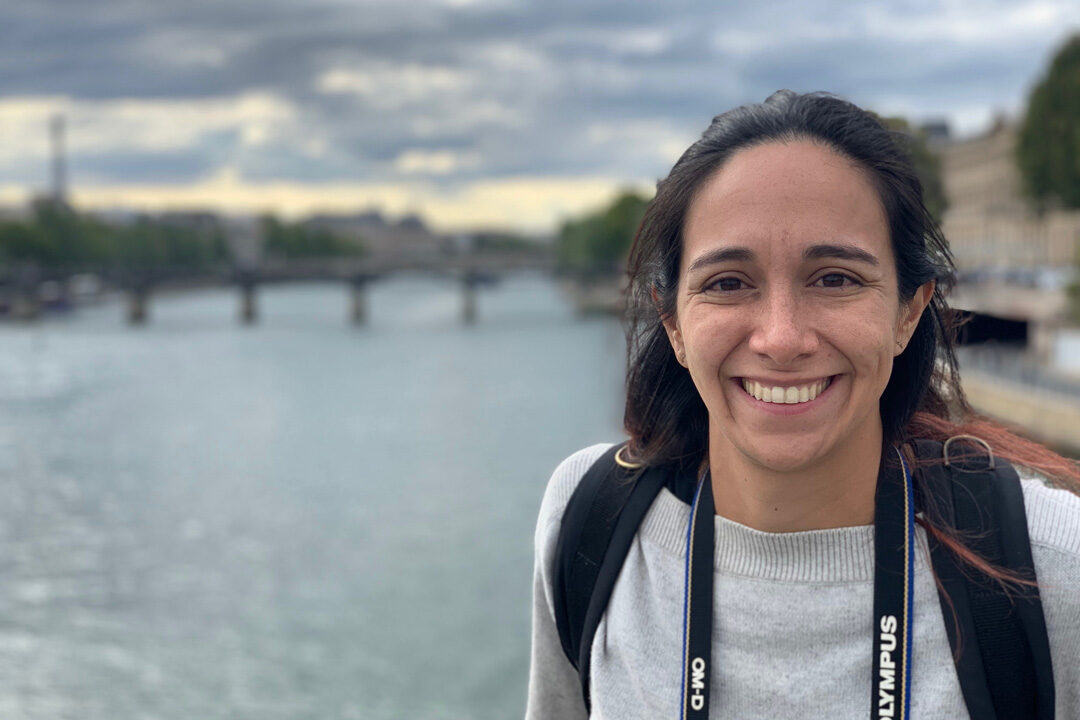
Joan Pulupa. Credit: Timothy White
News

Joan Pulupa joins Scripps Research faculty to study the organization of DNA in brain cells and its links to neurodegeneration

Two Scripps Research assistant professors named 2026 Baxter Young Investigators
News

Two Scripps Research assistant professors named 2026 Baxter Young Investigators

The Baxter Foundation annually support early-career researchers whose work in science and technology holds promise for improving patient care.

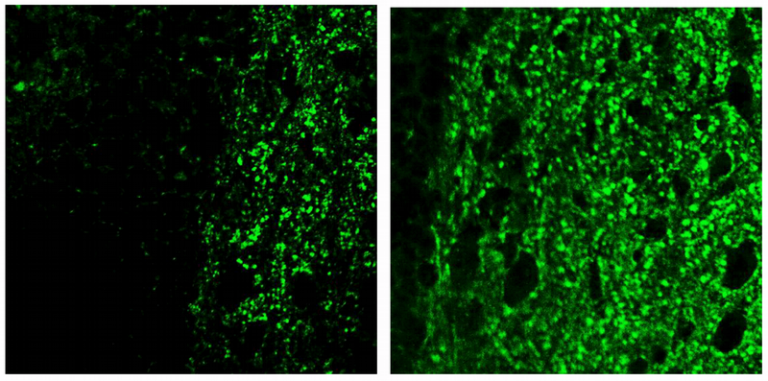
How a chemical reaction triggers brain inflammation in Alzheimer’s disease
News

How a chemical reaction triggers brain inflammation in Alzheimer’s disease

Scripps Research scientists discovered that a chemically modified protein puts the brain’s immune cells in a state of damaging, chronic overactivation—and that blocking it protects brain cell connections.

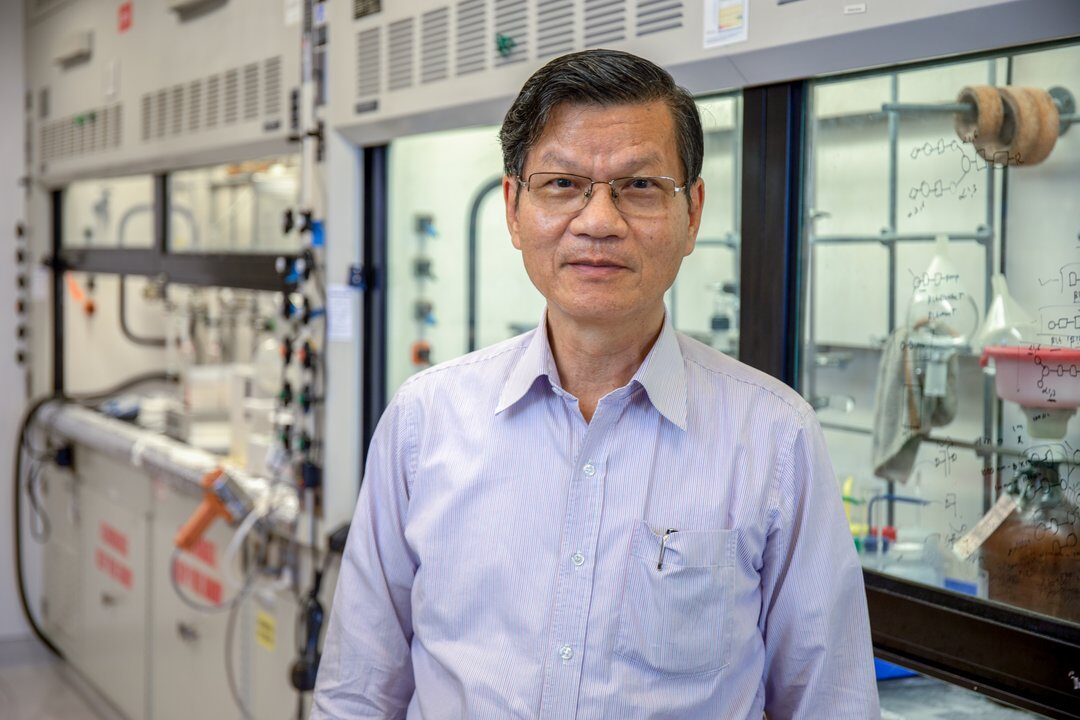
Scripps Research scientists uncover new mechanism cancer cells use to survive DNA damage
News

Scripps Research scientists uncover new mechanism cancer cells use to survive DNA damage

Discovery reshapes understanding of how tumor cells repair broken DNA, pointing toward more precise cancer therapies.


In the Media See all media
In the Media

Viome, Scripps Research collaborate on colorectal cancer testing 

GenomeWeb

In the Media

Implant protects against vision-destroying eye disease 

US News & World Report

Molecular & Cellular Biology Drug Discovery MacTel
In the Media

New home-based test from Scripps Research could detect colon cancer earlier, save young adult lives 

ABC 10 News San Diego

Molecular & Cellular Biology Artificial Intelligence Diagnostics
In the Media

New test for colon cancer could spot it before it spreads 

KPBS


Science Changing Life Podcast See all episodes

scripps research science changing life podcast episode 49
Podcast

Shannon Miller: Gene editing, CRISPR, and drawing the line between science and fiction

Thanks to revolutionary technologies like CRISPR, we’re now living in an age where it’s becoming possible to rewrite the very building blocks of life itself—our DNA. We sit down with Scripps Research Fellow and CRISPR expert Shannon Miller, PhD, to discover how these gene editing technologies are poised to reverse a range of diseases. Listen in as we explore Shannon’s unique journey into science—beginning not with a single eureka moment, but instead with a passion for creativity and discovery.

scripps research science changing life podcast episode 46
Podcast

Hugh Rosen: A physician-scientist’s guide to developing medicines

More than 90% of drugs fail to make it from the lab bench to approval. How, then, has a physician-scientist like Hugh Rosen found so much success in developing medicines? Rosen, who’s the chair of the Molecular and Cellular Biology Department and the Pearson Family Chair at Scripps Research, co-invented the drugs ozanimod (approved for multiple sclerosis and ulcerative colitis) and navacaprant (in Phase 3 trials for major depressive disorder). In this episode of Science Changing Life, listen in as Rosen unveils the success stories behind these groundbreaking treatments—shedding light on the challenges and triumphs shaping modern medicine.

scripps research science changing life podcast episode 31
Podcast

Sandra Encalada: Linking traffic jams in the brain to neurodegenerative disease

Professor Sandra Encalada is based in the Department of Molecular Medicine at Scripps Research, where her lab investigates the transport of cargo within brain cells and its role in health and disease. Listen as we talk about new therapeutic agents to stop and reverse neurodegeneration, environmental neurotoxins and when to listen to your gut feeling.

Molecular & Cellular Biology Alzheimer's Disease Parkinson's Disease
Bringing precision therapy to mental disorders
Video

Bringing precision therapy to mental disorders

Mental disorders like depression and schizophrenia affect the lives of millions of people around the world, and yet, available treatment options have remained the same for decades. In this Front Row lecture, Scripps Research professor Hugh Rosen shared how his pioneering research has led to the development of the drug navacaprant, which precisely targets one of the brain’s behavioral circuits and is currently in clinical testing for major depressive disorder. Harnessing his expertise as a physician-scientist, Rosen has discovered and developed multiple other medicines, including ozanimod—a breakthrough treatment approved for multiple sclerosis and ulcerative colitis.

Molecular & Cellular Biology Drug Discovery Events Front Row Lecture Series Mental Disorders Molecular & Cellular Biology
The link between circadian rhythms and your health: Scripps Research scientist explains
Video

The link between circadian rhythms and your health: Scripps Research scientist explains

Circadian rhythms are processes that follow a 24-hour cycle, enabling organisms to keep track of the time of day and adjust their physiology to recurring daily changes in the external environment. In this video, Scripps Research associate professor Katja Lamia discusses the molecular processes that occur when circadian rhythms are disrupted, and how it affects human health.

Molecular & Cellular Biology Aging & Healthspan Molecular & Cellular Biology
Paving the way to new therapies for neurodegenerative disease
Video

Paving the way to new therapies for neurodegenerative disease

Learning, memory and behavior depend on the continuous movement of valuable cellular components along axons, narrow nerve fibers through which neurons send signals to other neurons. But when this transport system fails, molecular traffic jams can cause neuronal damage associated with diseases like Alzheimer's, Parkinson's and prion disorders. In this Front Row lecture, Scripps Research associate professor Sandra Encalada shared how her lab is unraveling the cellular pathways that lead to the formation of toxic protein clumps seen at traffic jams inside brain cells undergoing neurodegeneration. Her breakthroughs are transforming the way scientists view brain health and identifying new molecules that could treat, and even reverse, complex neurological conditions.

Molecular & Cellular Biology Events Front Row Lecture Series Molecular & Cellular Biology Neurological Disorders New Therapies
Stuart Lipton elected to the National Academy of Inventors
Magazine

Stuart Lipton elected to the National Academy of Inventors

Stuart Lipton, the Step Family Foundation Endowed Chair, professor in the Department of Molecular and Cellular Biology, and co-founding director of the Neurodegeneration New Medicines Center at Scripps Research, has been elected as a National Academy of Inventors (NAI) Fellow. This prestigious honor recognizes his exceptional achievements as an inventor, as well as his significant impact on the innovation ecosystem, economic development and society.

Reading our biological clocks
Magazine

Reading our biological clocks

Katja Lamia shares how our internal circadian clocks dictate the rhythm of our lives.

The hidden scars of ulcerative colitis: A Q&A with Amy Lightner
Magazine

The hidden scars of ulcerative colitis: A Q&A with Amy Lightner

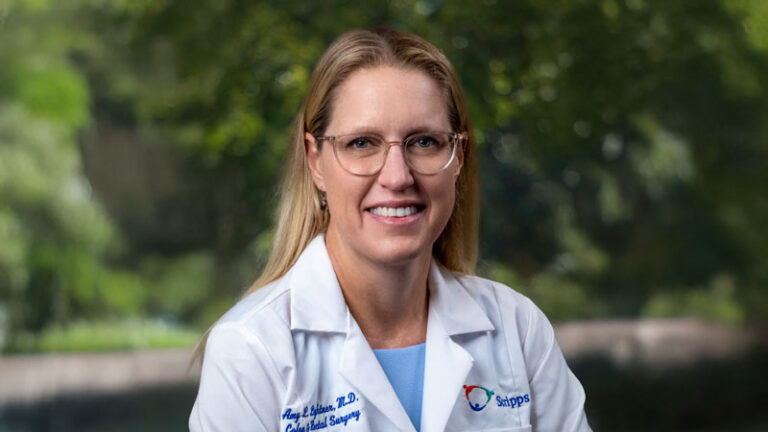
Inflammatory bowel disease (IBD) affects millions of people worldwide, disrupting lives with chronic inflammation, debilitating symptoms and limited treatment options. Among IBD’s forms is ulcerative colitis (UC), which has long been viewed as a condition confined to the colon’s mucosal lining. But emerging evidence reveals the deeper role for fibrosis—or scarring—in driving the difficulty of treatment. Professor Amy Lightner, a physician-scientist who recently joined Scripps Research, explores this paradigm shift and advocates earlier, more aggressive treatment strategies in an editorial she published in Diseases of the Colon & Rectum.

Stuart Lipton honored by the Japanese Society of Toxicology
Magazine

Stuart Lipton honored by the Japanese Society of Toxicology

Stuart Lipton, MD, PhD, the Step Family Endowed Chair, professor in the Department of Molecular Medicine and co-founding director of the Neurodegeneration New Medicines Center at Scripps Research, has received the Plenary Lecture Gold Medal Award from the Japanese Society of Toxicology (JSOT)—the society’s highest honor. Lipton accepted this prestigious award at JSOT’s 51st annual meeting, which took place in Fukuoka, Japan, from July 3 to July 5, 2024.

Groundbreaking Science.
Life-changing Medicine.