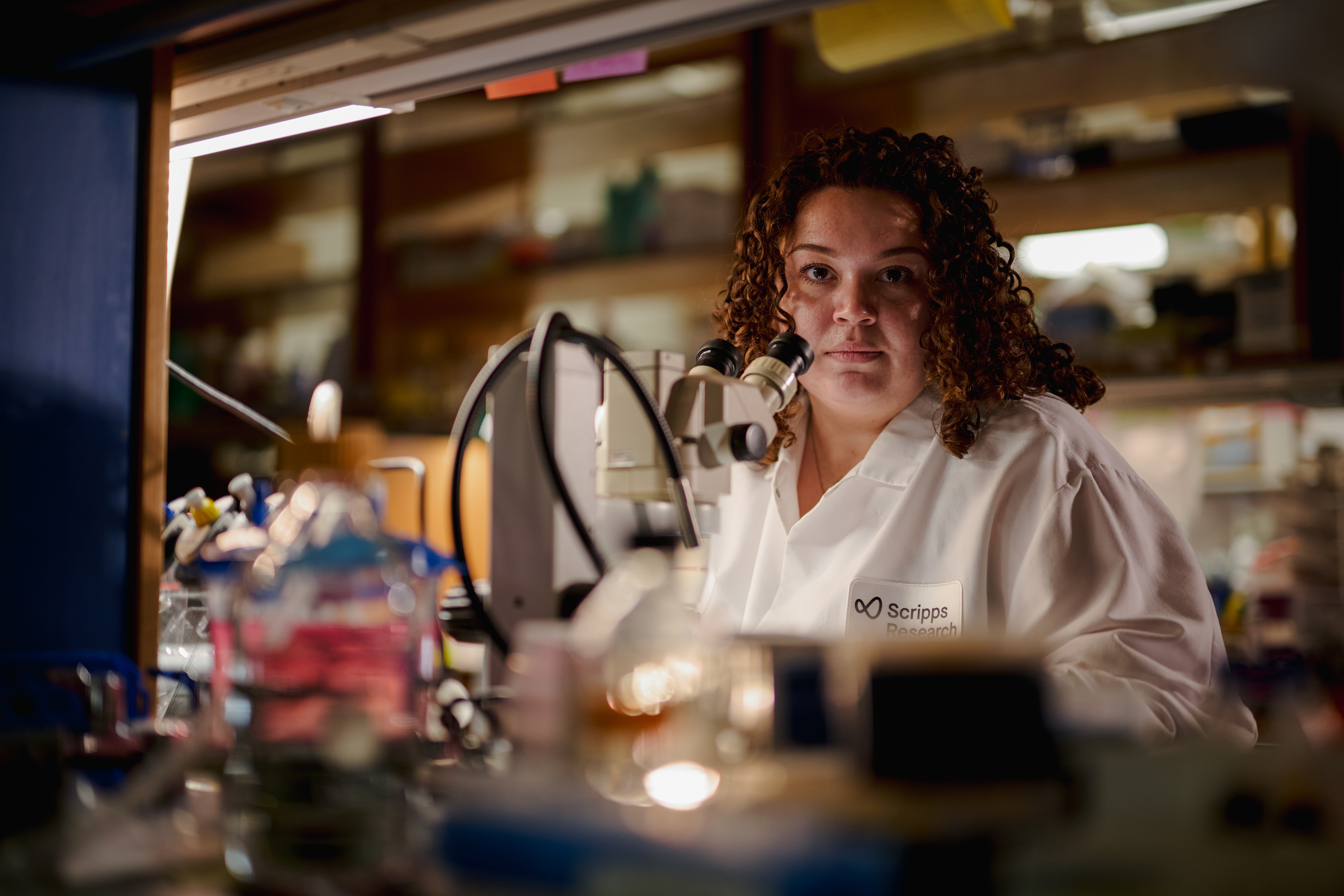
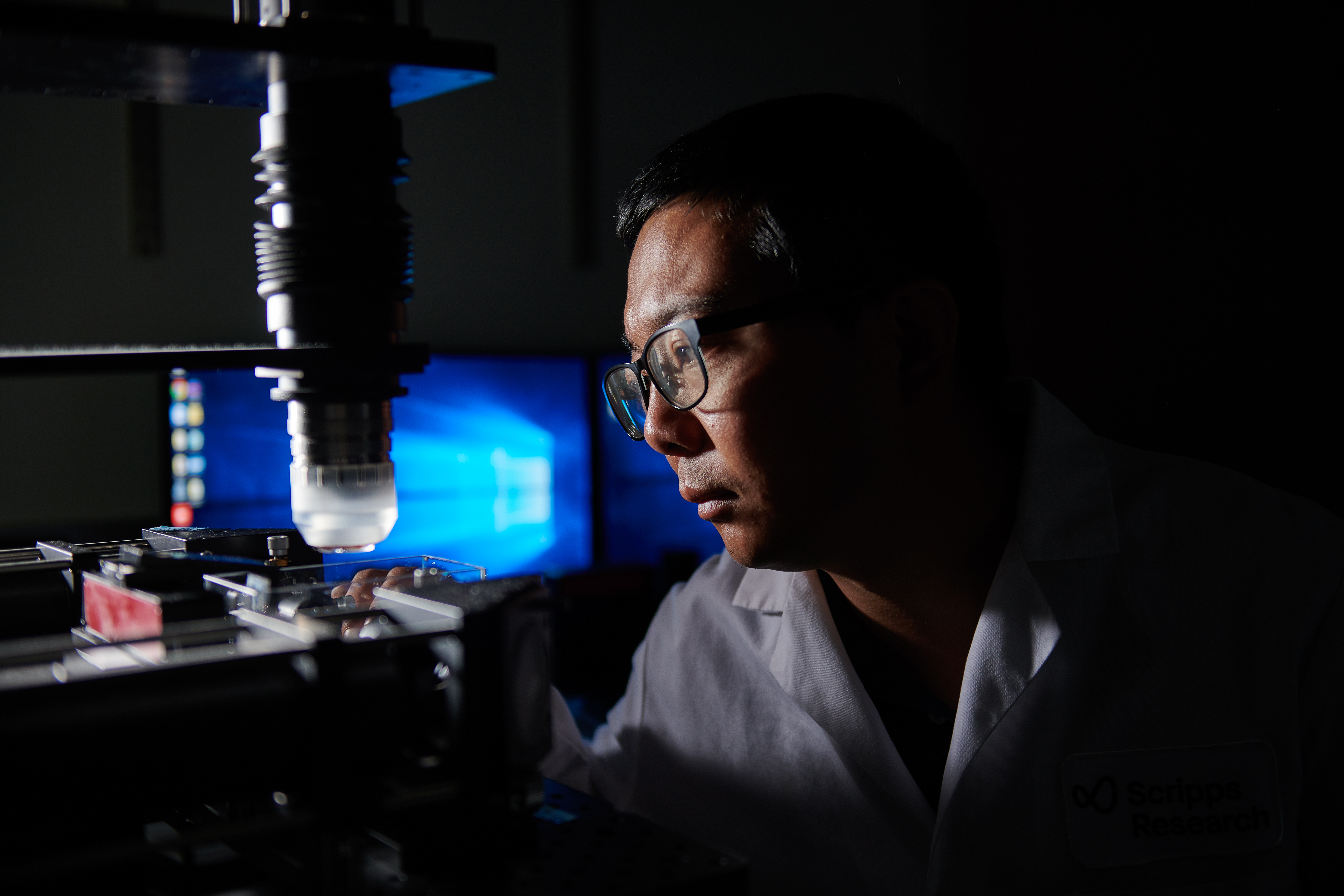
Video Tag: Front Row Lecture Series
-
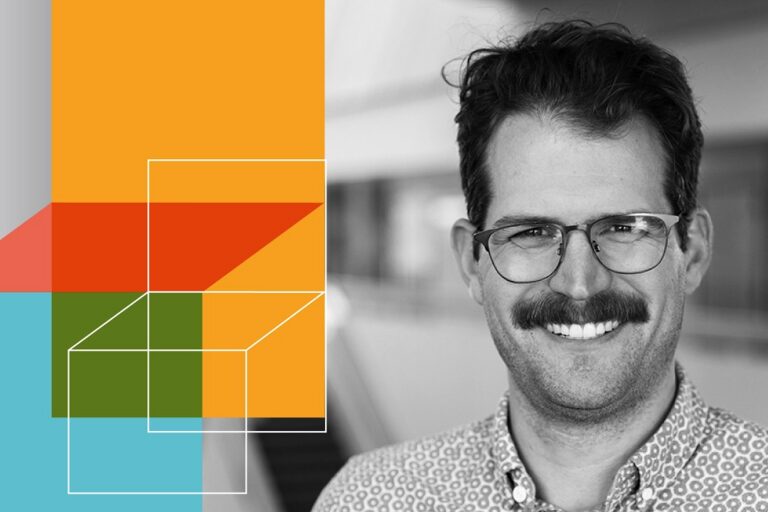
Close encounters: Designing drugs that recruit the cell’s own machinery to fight cancer and beyond
Some of the most devastating diseases are driven by proteins that cannot be targeted with conventional drugs. Scientists are now discovering ways to control disease by recruiting the cell’s own machinery to tackle this challenge. In this Front Row lecture, Associate Professor Michael Erb took the audience inside the cell to explain how his team is developing “proximity” drugs. Erb’s innovation has implications to change how scientists and cells join forces to fight against breast, prostate and blood cancers. Learn how proximity drugs can eliminate proteins, rewire essential cellular pathways, and enable researchers to target previously “undruggable” proteins.
-
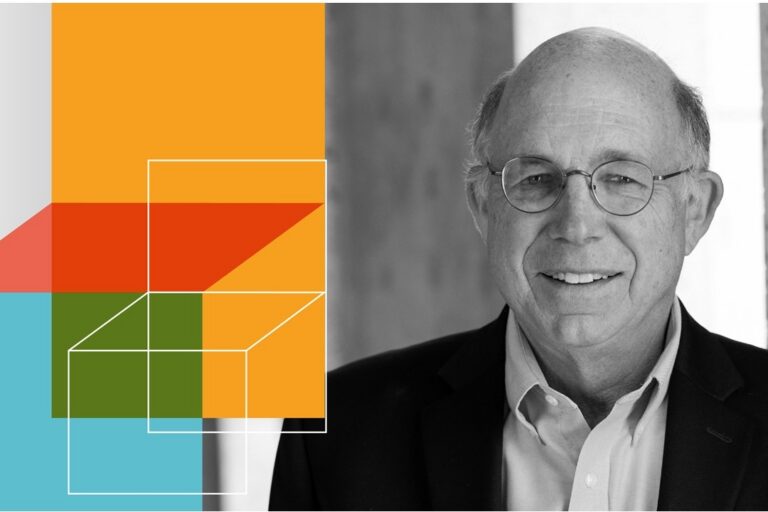
Advancing the vision: An experiment in rethinking the nonprofit biomedical research model
In his Front Row lecture, President and CEO Pete Schultz highlighted the progress Scripps Research has made in pioneering a new model for non-profit biomedical research. He described how integrating basic science and translational research under one roof is accelerating next-generation medicines—from new immunotherapies for cancer and innovative medicines for infectious disease to regenerative treatments for heart, lung and intestinal tissues. At a time of uncertainty in federal science funding, this model isn't only advancing human health but also helping to generate sustainable support for innovative scientific research and for training the next generation of scientific leaders.
-
The choreography of life: What a protein’s “dance” says about health and disease
Proteins are the molecular machines that regulate our tissues, organs and biological processes. But these complex molecules don’t just sit still—they “dance.” For Professor Dorothee Kern, understanding this choreography is key to understanding the difference between health and disease. In this Front Row lecture, Kern shared how her team combines AI and experimental techniques to visualize protein movements in action. She also explained how mapping these dynamic motions via “protein movies” can guide the development of longer-lasting drugs with vastly reduced side effects for cancer, metabolic disease and more.
-
The sweet side of drug discovery: How sugars can help shape the future of medicines
Some of the most powerful medicines we use today come from natural products, which are specialized molecules that plants and microbes have evolved over millions of years. Sugars play a key role in these compounds—determining how a molecule behaves, where it travels in the body and how strongly it activates the immune system. In this Front Row lecture, Scripps Research chemist Yuzhong Liu demonstrated how her lab uses synthetic biology to decode the role of sugars in medicine—helping scientists build next-generation vaccine adjuvants, cancer therapies and safer treatments.
-

How the nervous and immune systems coordinate inflammation
Just as we can distinguish between the sting of heat and the chill of cold, our immune system is finely tuned to recognize and respond to a wide range of threats, from viruses and bacteria to allergens and injury. This complex sensing relies on communication between diverse cell types, including sensory neurons and immune cells, to ensure responses are tailored to the specific challenge. In this Front Row lecture, Assistant Professor Alejandra Mendoza explored how neuro-immune cellular circuits regulate inflammation, pain, and immunity. By bridging neuroscience and immunology, her research is revealing how our bodies interpret signals from the environment to guide immune decisions, from fighting infections to controlling tumor growth and chronic inflammatory diseases.
-
How microbes are rewriting the rules of immunity
How do microbes influence our immune system, and can we leverage this relationship to combat disease? In this Front Row lecture, Scripps Research professor Howard Hang delved into his lab’s innovative work at the intersection of chemistry, microbiology and immunology. By dissecting the molecular dialogues between gut bacteria and human cells, Hang’s research uncovers how microbial enzymes generate small molecules—called microbial metabolites—that can influence immune responses. These insights are paving the way for new treatments against infections, cancer and inflammatory illnesses, highlighting the powerful role that microbes play in shaping human health.
-
Expanding the drug target universe
There are countless proteins that play critical roles in disease, yet they remain challenging to target with therapeutics. In this Front Row lecture, Professor Benjamin Cravatt explained how his large-scale protein profiling research and innovative chemical technologies are helping identify novel drugs for therapeutic targets previously deemed ‘undruggable.’ Cravatt’s translational work, which is at the intersection of chemistry and biology, has also led to the formation of multiple local biotechnology companies that collectively employ hundreds of scientists who are developing first-in-class candidate medicines for diverse diseases ranging from cancer to neurological disorders.
-
Reprogramming the immune system: Precision immunotherapy for cancer and autoimmune disease
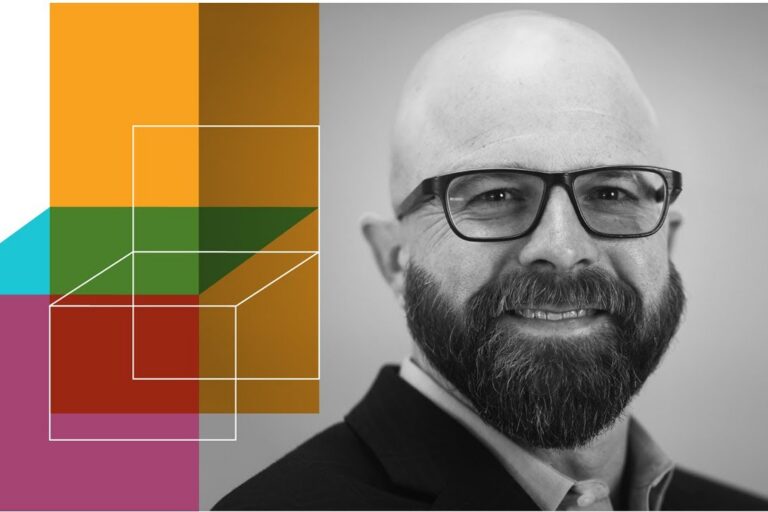
Your immune system is your body’s natural defense, capable of identifying what belongs and what doesn’t. But when it falters, it can let cancer grow unchecked or mistakenly attack your own healthy tissues, leading to autoimmune diseases. What if we could reprogram the immune system to tip the balance in our favor, gaining an advantage over both cancers and autoimmune disorders? In this Front Row lecture, Calibr-Skaggs’ vice president of biologics, Travis Young, shared how Scripps Research is using genetic engineering to reprogram patients’ own immune cells to create personalized “switchable” CAR-T cell therapies. This approach represents a new class of precision immunotherapy designed to induce deep and durable remissions in patients with a wide range of cancers, from lymphoma to breast cancer, as well as in chronic autoimmune conditions such as lupus, rheumatoid arthritis and systemic sclerosis. Young explained how this breakthrough strategy works and what it could mean for the future of medicine.
-

The science of longer, healthier lives
How close are we to a future where aging is no longer a barrier to vitality? Scripps Research executive vice president and professor Eric Topol discussed the themes of his new book on longevity. Drawing on the latest breakthroughs, he explored how innovations in artificial intelligence and drug discovery are combating chronic diseases like cancer, diabetes and neurodegeneration. Topol revealed how these advances are not only extending lifespans but also improving health at every stage of life.
-

Front Row spotlight with Eric Topol
How close are we to a future where aging is no longer a barrier to vitality? Scripps Research executive vice president and professor Eric Topol will discuss the themes of his new book on longevity. Drawing on the latest breakthroughs, he’ll explore how innovations in artificial intelligence and drug discovery are combating chronic diseases like cancer, diabetes and neurodegeneration. Topol will reveal how these advances are not only extending lifespans but also improving health at every stage of life.