Video Tag: Front Row Lecture Series
-
Regenerative medicine for the treatment of MS: Enhancing repair to prevent progression
Multiple sclerosis (MS) is a debilitating autoimmune disease that disrupts the central nervous system, causing symptoms like muscle weakness, cognitive challenges and a gradual loss of function that current treatments cannot fully repair. MS arises when the immune system attacks the myelin sheath, the protective layer insulating neurons. In this Front Row lecture, Scripps Research chemistry professor Luke Lairson discussed his research on the body’s natural repair pathways—specifically those that activate endogenous stem cells to restore myelin. His work aims to develop therapies that complement existing therapeutic approaches and halt MS progression.
-
Front Row spotlight with Luke Lairson
Multiple sclerosis (MS) is a debilitating autoimmune disease that disrupts the central nervous system, causing symptoms like muscle weakness, cognitive challenges and a gradual loss of function that current treatments cannot fully repair. MS arises when the immune system attacks the myelin sheath, the protective layer insulating neurons. Scripps Research chemistry professor Luke Lairson will discuss his research on the body’s natural repair pathways—specifically those that activate endogenous stem cells to restore myelin. His work aims to develop therapies that complement existing therapeutic approaches and halt MS progression.
-
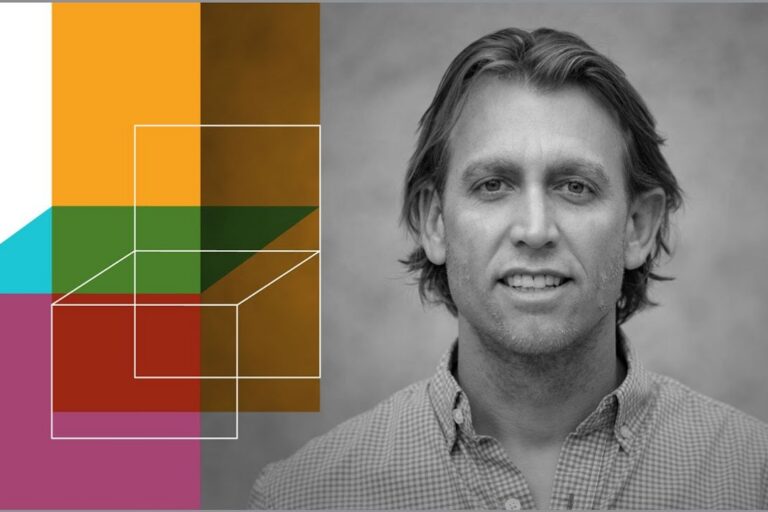
Decoding viruses for vaccine innovation
Viruses use specialized proteins to infect human cells, and understanding their structure is key to creating more effective vaccines and antiviral therapies. In this Front Row lecture, Scripps Research professor Andrew Ward delved into his pioneering work on mapping these proteins with cutting-edge imaging techniques. Ward’s research provides critical insights into viral neutralization mechanisms, paving the way for advancements in vaccine development against pathogens like HIV, influenza, coronaviruses and much more.
-

Front Row spotlight with Andrew Ward
Viruses use specialized proteins to infect human cells, and understanding their structure is key to creating more effective vaccines and antiviral therapies. Scripps Research professor Andrew Ward will delve into his pioneering work on mapping these proteins with cutting-edge imaging techniques. Ward’s research provides critical insights into viral neutralization mechanisms, paving the way for advancements in vaccine development against pathogens like HIV, influenza, coronaviruses and much more.
-

The gut-brain axis: A key to metabolism and longevity
How do our gut and brain communicate with one another, and how do they influence our metabolism, our behavior, and the aging process? Scripps Research neuroscience professor Supriya Srinivasan is dedicated to answering these pressing questions using modern genetic and molecular tools across different experimental systems. In this Front Row lecture, Srinivasan revealed the intricacies of the gut-brain networks that regulate energy regulation and fat metabolism, as well as their impact on lifespan. Discover how her work could lead to new therapies that restore a healthy metabolism and tackle dysregulation.
-
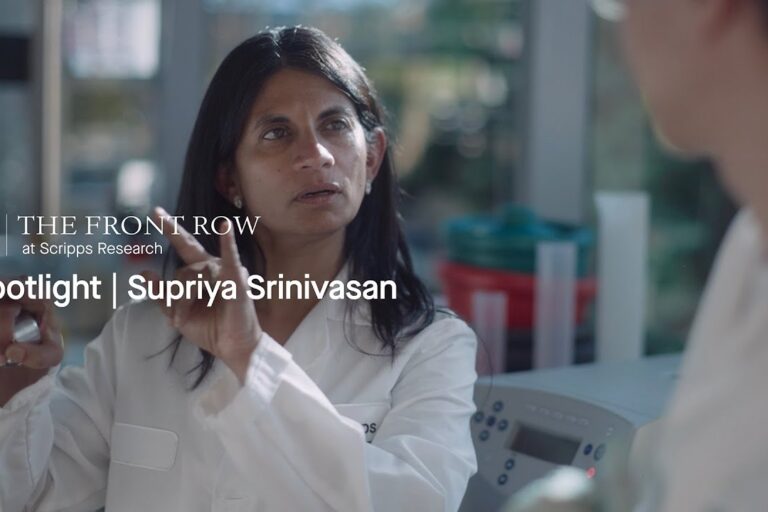
Front Row spotlight with Supriya Srinivasan
How do our gut and brain communicate with one another, and how do they influence our metabolism, our behavior, and the aging process? Scripps Research neuroscience professor Supriya Srinivasan is dedicated to answering these pressing questions using modern genetic and molecular tools across different experimental systems. Srinivasan will reveal the intricacies of the gut-brain networks that regulate energy regulation and fat metabolism, as well as their impact on lifespan. Discover how her work could lead to new therapies that restore a healthy metabolism and tackle dysregulation.
-
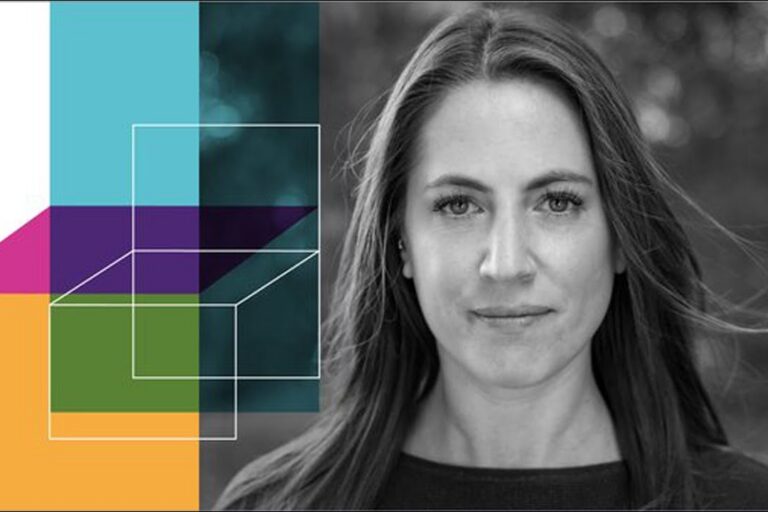
Peering into the mitochondria to reveal cellular stress and disease
The mitochondria are well known for being cellular “powerhouses,” given their important role in energy generation. Yet emerging research is now suggesting these organelles also play a key role as the stress-sensors for the cell. In this Front Row lecture, Scripps Research assistant professor Danielle Grotjahn explored how mitochondria change shape in response to different genetic and environmental stressors. By harnessing cutting-edge imaging technologies to examine mitochondria in these never-before-seen-ways, Grotjahn is revealing how these organelles can predict overall cellular health and even disease, including neurodegenerative disorders and cancer.
-
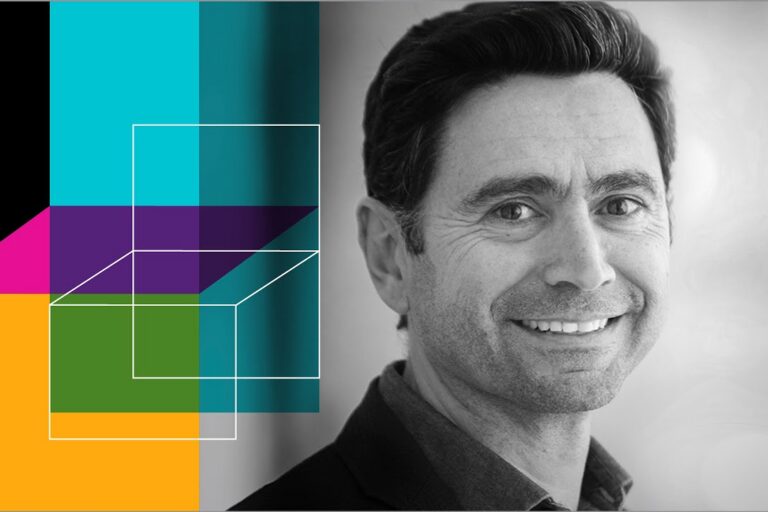
How do you feel? Molecules that sense touch and other pressures
The inner workings of the brain have eluded neuroscientists for ages—including how we perceive sensations such as touch, pain, sound and even blood flow. In this Front Row lecture, Scripps Research professor and Nobel laureate Ardem Patapoutian discussed the molecular sensors that enable the mind to interpret different physical and chemical stimuli. These discoveries—for which Patapoutian was awarded the 2021 Nobel Prize in Physiology or Medicine—are helping answer long-standing questions in neuroscience, such as how cells communicate with each other, how we sense our body in time and space, how these sensors impact different diseases and more.
-
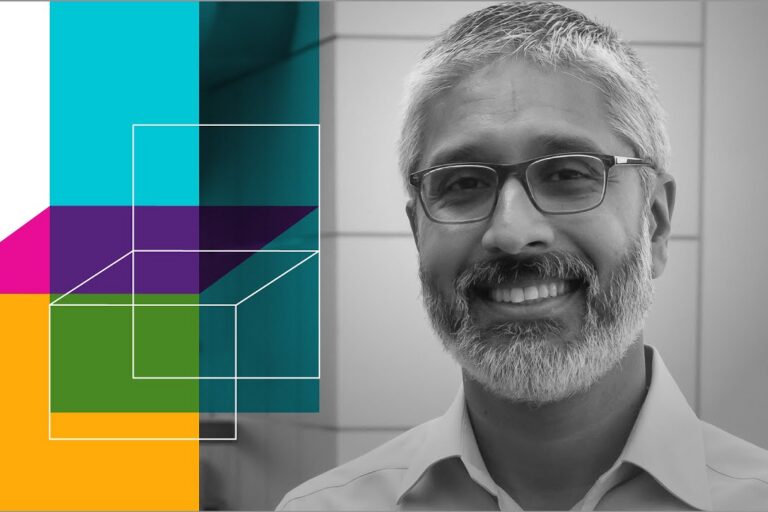
Delivering medicines for a global population
Infectious diseases like tuberculosis and malaria pose an ever-increasing risk to communities around the world. Meanwhile, a lack of investment, long treatment protocols and drug resistance have stymied innovation in this area. In this Front Row lecture, Vice President of Medicinal Chemistry Arnab Chatterjee discussed how the Calibr-Skaggs Institute of Innovative Medicines—the drug discovery and development arm of Scripps Research—is using innovative new approaches and technologies to overcome these historic barriers. His work at the Calibr-Skaggs Institute is helping accelerate the delivery of safe, effective and accessible medicines to countries spanning the globe.
-
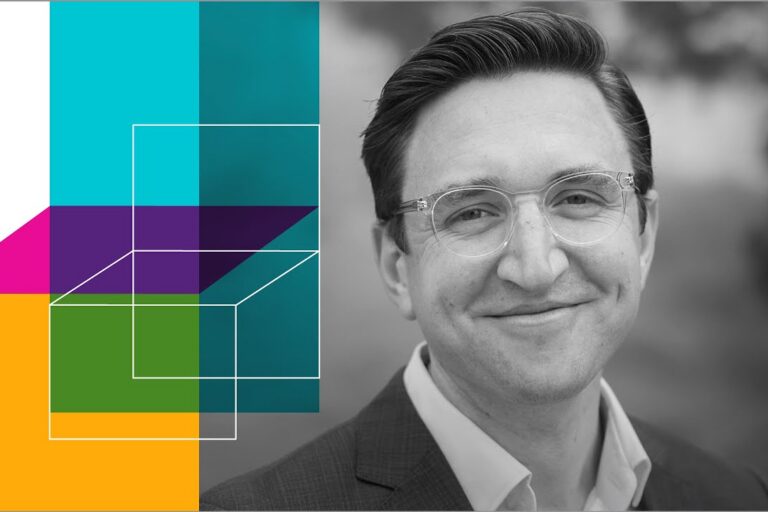
Regenerating tissues to treat disease
Regenerative medicine involves harnessing the body’s own capacity to repair tissues and organs. In this Front Row lecture, Associate Professor Michael Bollong shared how he's identifying and targeting the pathways controlling regeneration. By combining traditional drug discovery tools with modern biological techniques, Bollong and his lab are developing novel medicines that can intervene in the processes that cause a spectrum of human diseases and medical conditions, including heart disease, inflammatory disease and fibrosis.