Topic: Translational Institute
-
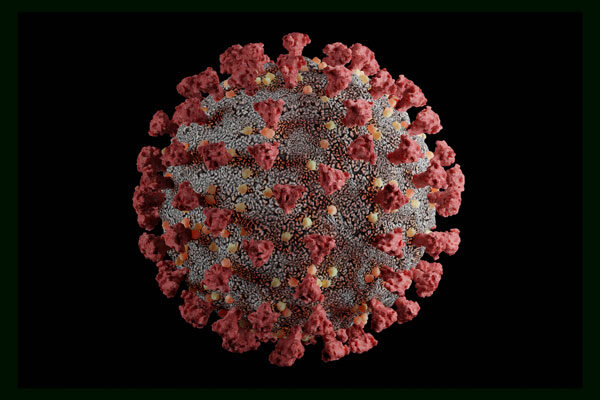
Genetic tracing at the Huanan Seafood market further supports COVID animal origins
An international collaboration between Scripps Research, University of Arizona, CNRS and others provides additional analysis of how the pandemic began.
-
New AI tool simplifies heart monitoring: Fewer leads, same accuracy
Scripps Research scientists showed that, with help from an AI tool, cardiologists can diagnose heart attacks using a simpler, easier and more accessible electrocardiogram technology.
-

Timing matters: Scripps Research study shows ways to improve health alerts
Wearable health sensors are a powerful tool in disease detection and in stemming the spread of infections.
-

New sleep study aims to understand cognitive decline in women
Scripps Research launches digital trial to identify sleep-related risk factors for Alzheimer’s disease and other dementias using activity trackers.
-
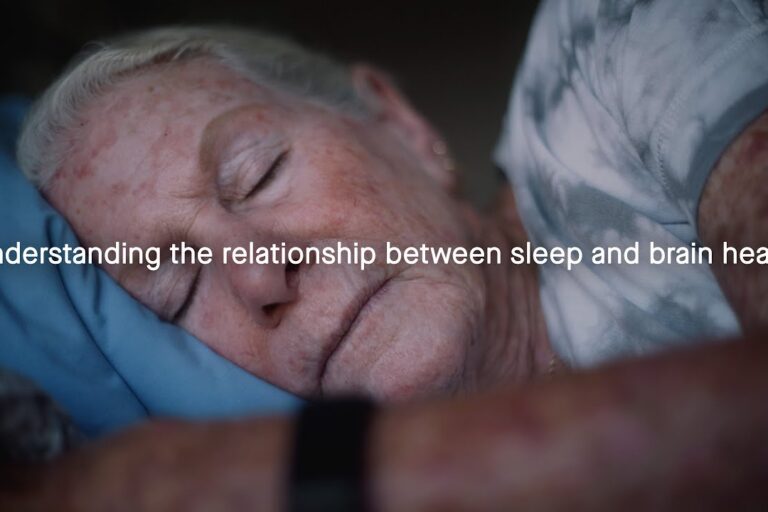
Understanding the relationship between sleep and brain health
Some neurocognitive diseases, such as Alzheimer’s disease and other dementias, affect more women than men. There are also gaps in our understanding of the impact of sleep on women’s cognitive health. Scientists at the Scripps Research Digital Trials Center have launched the REFRESH- Neurocognitive Outcomes in Women study (REFRESH-NOW), a new research project aimed at better understanding sleep and brain health in women with the help of fitness trackers. REFRESH-NOW, led by Stuti Jaiswal, a physician-scientist specializing in sleep research, will use wrist-worn activity trackers and smartwatches to gather longitudinal data from women who are 55 and older over a three-year period. The goal of the study is to identify sleep-related risk factors, enabling for the development of better interventions.
-

Community Corner: A Q&A with community engagement specialist Gayle Valensky
-

TIME100 Health list features Scripps Research Executive Vice President Eric Topol
New list honors 100 individuals who most influenced global health in 2024.
-

Jay Pandit: How biosensors are enabling a new era in medicine
Dr. Jay Pandit is a senior director of digital medicine at the Scripps Research Translational Institute and an assistant professor in the Department of Translational Medicine at Scripps Research, where he combines medicine and technology to improve patients’ clinical outcomes. Listen in as we explore how biosensors and wearable technologies are enabling users to take control of their own health data and usher in a new era of personalized medicine.
-
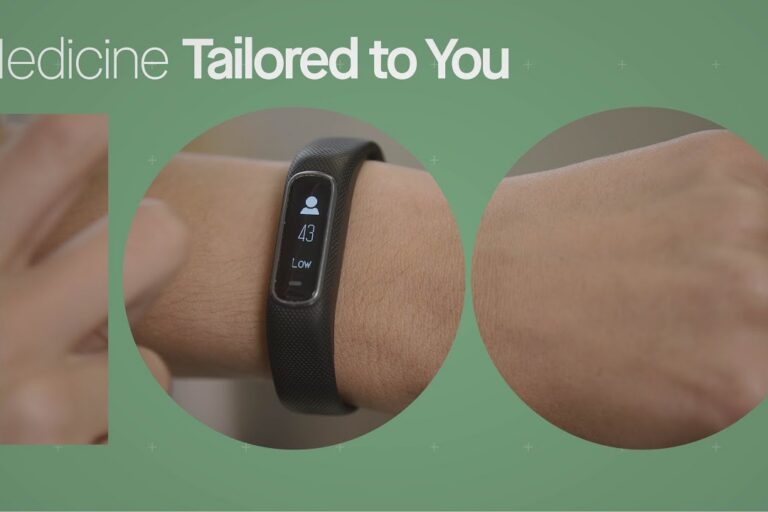
Medicine tailored to you: A century of science changing life
Every patient is unique, and scientists at the Scripps Research Translational Institute (SRTI) believe medicine should reflect this. Physician-scientist Professor Eric Topol founded SRTI in 2007 with a mission to individualize healthcare across the country, leveraging advancements in human genomics, wireless digital technologies, and artificial intelligence. SRTI is made up of leading scientists and clinical investigators who collaborate to understand the specific genetic, behavioral and lifestyle factors that contribute to human health and ultimately help transform them.
-

Scripps Research Executive Vice President Eric Topol gives TED talk on transformative power of AI in medicine
Topol provides an overview of how AI models can improve diagnostic accuracy, liberate clinicians from keyboards and restore the doctor-patient relationship.