Topic: Translational Institute
-
New AI-powered algorithm could better assess people’s risk of common heart condition
A new artificial intelligence model designed by Scripps Research scientists could help clinicians better screen patients for atrial fibrillation (or AFib)—an irregular, fast heartbeat that is associated with stroke and heart failure. The model picks up on tiny variations in a person’s normal heartbeat that signify AFib risk, which standard screening tests cannot detect.
-

Leveling the Playing Field: Bringing social science to diabetes care with Scripps Research Translational Institute’s Emily Rose San Diego
-
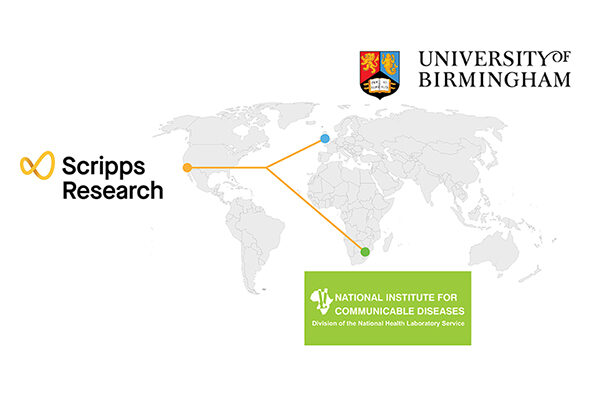
Scripps Research receives $1.5M to surveil infectious disease threats in wastewater
Bill & Melinda Gates Foundation award to support the development of multi-pathogen wastewater surveillance tools and protocols.
-

The genomic revolution: Using DNA to predict disease risk and individualize treatment
Your DNA contains an incredible amount of information about every aspect of your being, including your risk of developing certain diseases. But up until recently, it was nearly impossible for doctors to analyze that information for individual patients. Now, with the help of affordable genomic sequencing, artificial intelligence and machine learning, scientists are working towards personalizing medical care. At the Scripps Research Translational Institute, Professor Ali Torkamani is developing ways to predict a person’s risk for rare and common diseases.
-
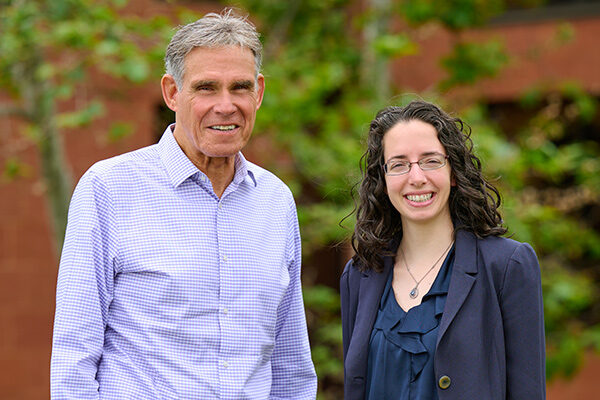
Scripps Research receives momentous award from NIH to lead key programs in national All of Us Research Program
The award renews support for Scripps Research Translational Institute and partner organizations involved in expanding one of the largest and most inclusive health data resources of its kind.
-

Q&A with a sleep scientist
Assistant Professor Stuti Jaiswal is a physician and sleep scientist. She's using new technology to study sleep patterns of thousands of people remotely. Here, she answers some common questions about sleep, like how many hours do you need? Do naps count? And what can shift workers do to avoid the health risks of poor sleep?
-

Scripps Research awarded $46.8 million by NIH to promote human health through innovative translational science and training
The Translational Institute is harnessing genomic and digital technologies with machine learning to revolutionize health research.
-
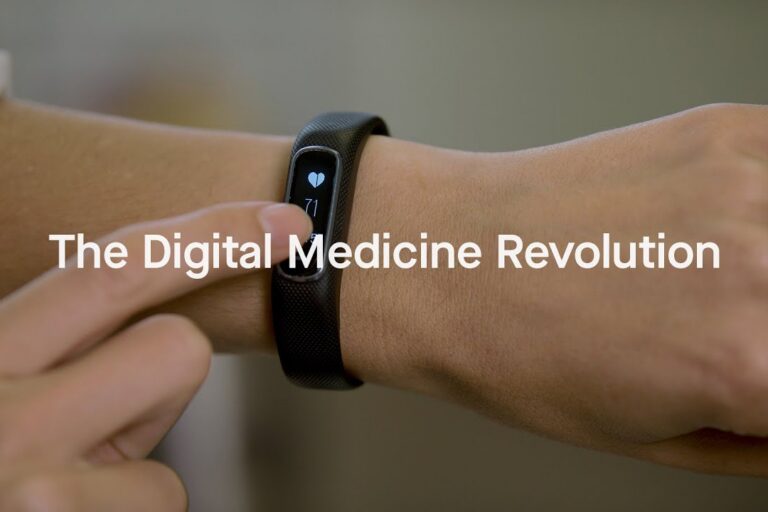
The digital medicine revolution
From smartwatches and fitness bands to glucose monitors and in-home ultrasounds, the proliferation of digital devices is igniting a revolution in healthcare and medical research. Patients can now collect thousands of data points about themselves and share that information with their healthcare providers. At the Scripps Research Translational Institute, researchers are taking advantage of new technology to study disease in novel ways. Their projects include a platform for early detection of disease outbreaks, a sleep quality study, and even a way to predict and individual’s risk of certain disease based on their genetics. In this video, hear directly from the team about this exciting new frontier.
-

Scripps Research scientists granted up to $12.8M to study viral infections
Grant renewal from the NIH-NIAID will help uncover critical information about the viruses that cause COVID-19, Lassa and Ebola, including how they evolve.
-

“COVID rebound” is common, even in untreated patients
Preliminary results from a Scripps Research and eMed digital medicine study show an unexpectedly high proportion of COVID-19 rebound cases in untreated people, as well as those treated with Paxlovid.