Topic: Translational Institute
-

Front Row spotlight with Eric Topol
How close are we to a future where aging is no longer a barrier to vitality? Scripps Research executive vice president and professor Eric Topol will discuss the themes of his new book on longevity. Drawing on the latest breakthroughs, he’ll explore how innovations in artificial intelligence and drug discovery are combating chronic diseases like cancer, diabetes and neurodegeneration. Topol will reveal how these advances are not only extending lifespans but also improving health at every stage of life.
-
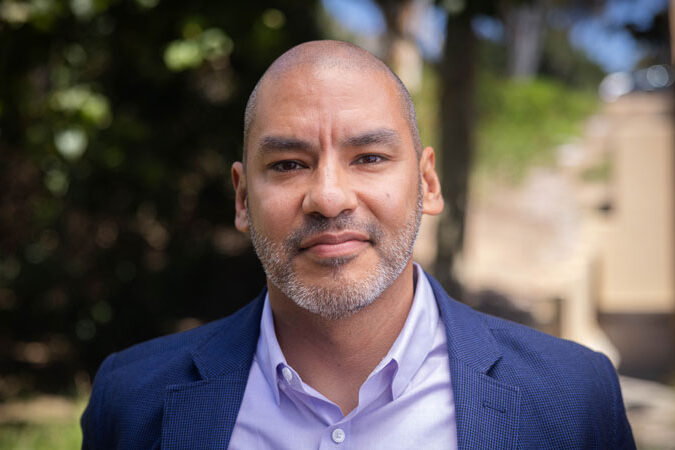
Community Corner: A Q&A with digital clinical trials expert Ed Ramos
-

Shaping the future of medicine
Under the leadership of President and CEO Pete Schultz, Scripps Research is building on this strong scientific foundation to accelerate the impact of fundamental research on human health. In addition to leading the way in curiosity-fueled science, Scripps Research has emerged as a world leader in translational research, including drug discovery and advances in individualized and digital medicine. The Calibr-Skaggs Institute for Innovative Medicines and the Scripps Research Translational Institute (SRTI), unique in the nonprofit research sector, are dedicated to turning scientific discoveries into real-world medical advances, including preventative approaches, diagnostics and new medicines.
-
Driving scientific discovery
Scripps Research is globally recognized for the breadth and impact of its scientific contributions. Ranked by the Nature Index among the world's top five most innovative institutes, Scripps Research empowers its scientists to pursue high-risk, high-reward ideas that transform our understanding of the world and lead to new technologies that shape our future. Our faculty pursue highly interdisciplinary research, bridging the fields of chemistry, neuroscience, structural and computational biology, cellular and molecular biology, and immunology. Among their many contributions are major advances in understanding the adaptive and innate immune systems, sensory neurobiology and cellular signaling, and they have pioneered technologies in chemical synthesis, synthetic biology and biotechnology. These accomplishments have been recognized by some of the most prestigious honors in science, including six Nobel Prizes (two very recently), six Wolf Prizes, and Breakthrough and MacArthur Genius Prizes. Through our Skaggs Graduate School of Chemical and Biological Sciences—recognized among the top 10 programs nationally by U.S. News & World Report—we’re inspiring and training the next generation of scientific leaders, ensuring the continued trajectory of scientific excellence for generations to come.
-
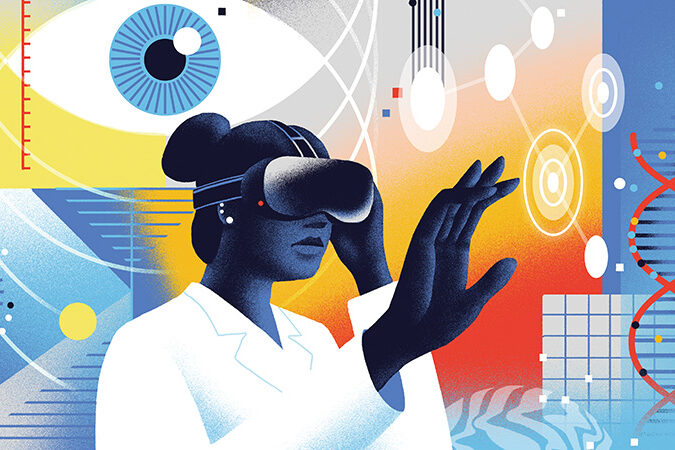
The promise of artificial intelligence for healthcare
-

Pathogens in the pipeline: How wastewater holds clues to the next pandemic
What if the key to detecting the next pandemic was hidden in our wastewater? By analyzing pathogens found in sewage, scientists can track the spread of infections before they become widespread threats. In this episode of Science Changing Life, project scientist Josh Levy and PhD student Praneeth Gangavarapu explain how analyzing what goes down the drain can offer life-saving insights into the future of public health. Learn more about the role of wastewater surveillance in tracking a range of viruses—including SARS-CoV-2, H5N1 and even seasonal influenza.
-

The long haul: Personal and scientific insights into long COVID with Julia Moore Vogel
Long COVID affects millions of people worldwide, yet many questions about the condition remain unanswered. In this episode of Science Changing Life, Julia Moore Vogel, PhD, shares what it’s like to study—and live with—long COVID. As the senior director of the All of Us Research Program, Julia discusses how her experience has fueled innovative research to improve symptom management and health equity for patients with the condition. Listen in to learn how Julia transforms personal challenges into professional breakthroughs.
-
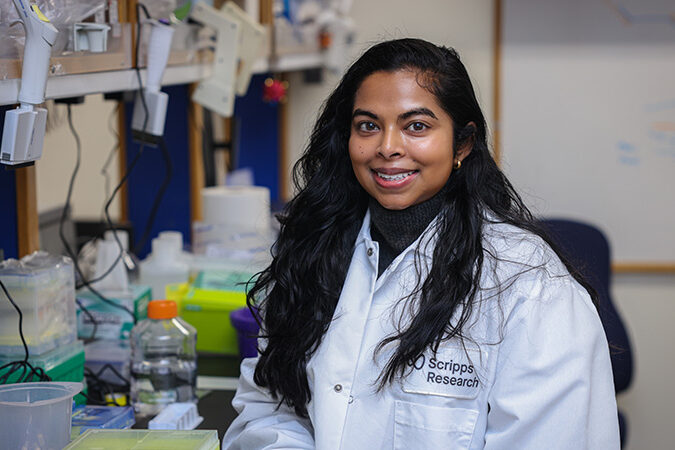
Community Corner: A Q&A with global health researcher Jyothi Purushotham
-

Futureproof: Eric Topol on revolutionizing pandemic preparedness
In the second part of our conversation with Dr. Eric Topol, we explore how examining the past is necessary to ensure we’re more prepared for our future. From universal vaccines and advanced antiviral therapies to cutting-edge digital tools like wearable biosensors and genomic surveillance, Dr. Topol shares actionable insights on harnessing technology and data to revolutionize pandemic preparedness. Listen in as we discuss the path to a safer, healthier future.
-

Beyond the hype: AI’s impact on medicine and science with Eric Topol
Artificial intelligence is revolutionizing what we once thought impossible. But how can we distinguish genuine breakthroughs from mere hype? In this episode of Science Changing Life, we welcome Eric Topol, MD—renowned physician, scientist, and author. As executive vice president at Scripps Research and founder of the Scripps Research Translational Institute and The Gary and Mary West Chair of Innovative Medicine, Dr. Topol shares his thoughts on how AI is transforming science and medicine today and offers a glimpse into what the future may hold. His advice to listeners? 'Be open to change.'