Topic: New Therapies
-
Scripps Research licenses urine dipstick test for river blindness to IVD Research
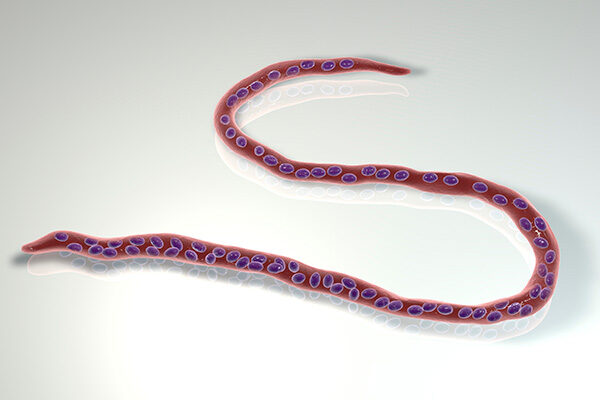
IVD Research Inc., a contract development and manufacturing (CDMO) firm in Carlsbad, California has licensed a novel biomarker for onchocerciasis—better known as river blindness—from Scripps Research in La Jolla, California. The reagent, developed in the laboratory of Kim Janda, PhD, a professor of chemistry at Scripps Research, will allow clinicians to monitor active infections of onchocerciasis.
-
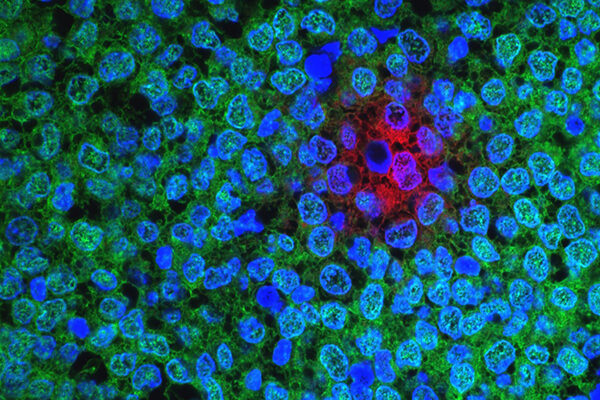
New strategy for cancer therapy spells double trouble for tumors
"This could give us a way to kill tumors without harming normal cells..."
-
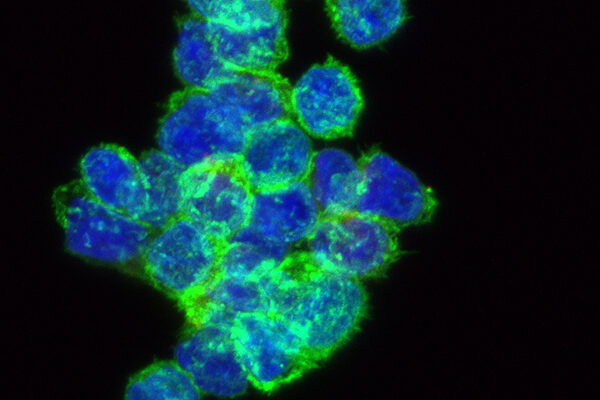
AbbVie and Calibr announce collaboration for next generation T-cell therapies
Collaboration will focus on switchable CAR-T therapies aimed primarily at solid tumors.
-
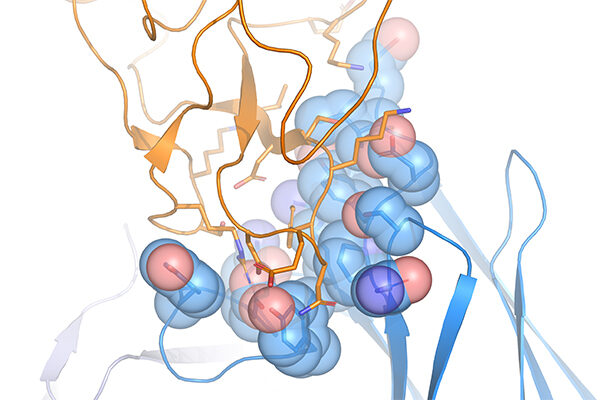
Two-pronged antibodies draw immune killers directly to cancer cells
Proteins with a selective targeting system can zero in on a protein found on the surface of several types of cancer cells.
-
Calibr’s repurposed drug to treat non-viral diarrhea enters into a clinical trial
Calibr has now identified and repurposed an FDA-approved drug, clofazimine, used for decades to treat leprosy, as a potential new treatment for cryptosporidiosis.
-

Next-generation arthritis treatments could benefit both horses and humans
More than 27 million people live with osteoarthritis, and it turns out, elite racing and jumping horses do, too.
-
TSRI stroke drug demonstrates safety in clinical trial
"These results lay the groundwork for the next steps toward FDA approval."
-
Heroin vaccine blocks lethal overdose
"The heroin vaccine is one step closer to clinical evaluation," says Candy S. Hwang, PhD, first author of the study and a research associate at TSRI.
-

Novel regenerative drug for osteoarthritis entering clinical trials
Known as KA34, the drug is a small molecule that “encourages adult stem cells already residing in the joint to mature toward chondrocytes, the cells that produce and maintain healthy cartilage..."
-
Blueprints for anti-cancer drugs discovered in bacterial genomes
“This points the way toward a new therapeutic opportunity,” says lead investigator Ben Shen.