Calibr partners with Wellcome Trust to create consortium for neglected tropical diseases
August 3, 2021
LA JOLLA, CA—Calibr, the drug development division of Scripps Research, has partnered with Wellcome to launch the Integrated Drug Discovery Consortium for Neglected Tropical Diseases (IDDC-NTD). The three-year, $24 million grant will support Calibr in leveraging innovative approaches to address some of the most challenging neglected tropical diseases across the globe.
The initiative is part of Wellcome’s HIT NTD Flagship, which supports the development of exciting new products, technologies and other interventions to prevent or treat disease. The IDDC-NTD will harness Calibr’s existing drug discovery capabilities to advance medicines for a variety of pathogens pervasive in low-resource regions of the world.
“We’re very excited and thankful to partner with Wellcome to broaden our global health program and target important pathogens that collectively inflict a devasting toll on world morbidity and mortality,” said Case McNamara, PhD, director of Infectious Diseases at Calibr.
In parallel with other strategies, the program will utilize Calibr’s ReFRAME library, the world’s leading drug repurposing collection. Established in 2018 with support from the Bill & Melinda Gates Foundation, the ReFRAME collection was designed to tackle areas of urgent unmet medical need. It has since grown to comprise over 12,000 compounds, including drugs already known to be safe in humans for other indications.
Calibr additionally developed an open-source database containing preclinical and clinical data on these drugs, enabling the acceleration of new potential medicines into a patient setting without many of the obstacles typical to drug discovery. Since its inception, repurposed drugs have already been tested in clinical trials for tuberculosis and the parasite Cryptosporidium spp., a major cause of severe diarrheal disease.
As a partner of the HIT NTD Network, Calibr is integral to the Flagship program’s objective of supporting emerging technologies that can transform therapeutic development. These include the use of artificial intelligence, genomics and proteomics research, new reaction and drug delivery technologies, as well as advances in automation. The Flagship is also intended to serve as a hub for further innovation in this area, actively engaging a network of non-profit and for-profit partners to grow a portfolio of promising new treatments. In addition to researchers at Calibr, other collaborators on the program include Conor Caffrey, PhD, and Jair Siqueira-Neto, PhD, UC San Diego; Sumit Chanda, PhD, Sanford Burnham Prebys; Rick L. Tarleton, PhD, University of Georgia; Chris Huston, MD, University of Vermont; Jennifer Zambriski, DVM, PhD, Virginia Tech; Silmara Allegretti, PhD, The University of Campinas; Lizandra Guidi Magalhaes, PhD, University of Franca; and Jeremy Mottram, PhD, University of York.
Neglected tropical diseases (NTDs) encompass several diverse pathogens, including viruses, bacteria, protozoa and parasitic worms. Affecting more than 1 billion people, many of whom are living in extreme poverty, NTDs present significant barriers to global health. By building on the Wellcome’s prior investment of over $80 million in this area and combining it with the robust infrastructure and drug discovery team at Scripps Research, the IDDC-NTD is well-positioned to generate safe and effective new drugs, with the broader goal of intervening in the interlinked cycle of poverty and disease.
About Wellcome
Wellcome supports science to solve the urgent health challenges facing everyone. We support discovery research into life, health and wellbeing, and we’re taking on three worldwide health challenges: mental health, global heating and infectious diseases.


Virologist gives update on H5N1, mpox, and preparing for an uncertain future
Roughly two years ago, virology expert and Scripps Research professor Sumit Chanda sat down with Science Changing Life to discuss all things pandemic preparedness and COVID-19. But the world is in a very different place now, with infectious disease threats like H5N1, mpox and Dengue virus on the rise. Chanda joins us once again to share the latest in the virology space, how scientists can be better communicators, and his advice for making sure we’re as prepared for an uncertain future as we can be.


Combating microbial threats: A century of science changing life
Every day, scientists at Scripps Research are discovering and developing new treatments to combat today’s infectious disease threats—and tomorrow’s. Many of these researchers played a significant role in the COVID-19 pandemic, including identifying new antibody treatments and uncovering the virus’s structure. Meanwhile, they're also applying these key learnings to better prepare the global population for whichever microbial threat emerges next.
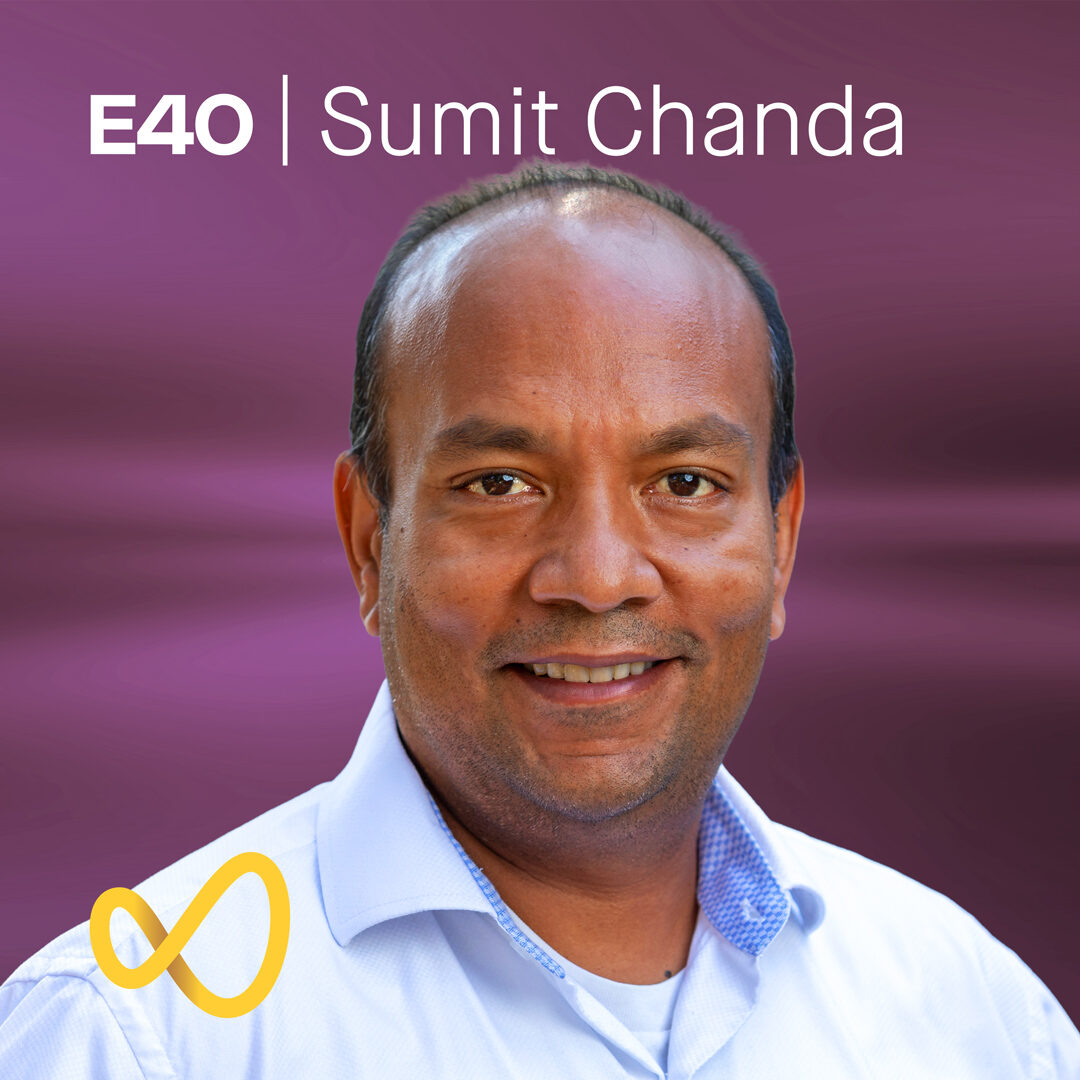
Sumit Chanda: How can we prepare for the next pandemic?
Professor Sumit Chanda is an infectious disease expert and immunologist, where he works both in the Department of Immunology and Microbiology and at Calibr, Scripps Research’s nonprofit drug discovery and development division. He has devoted his career to understanding how the immune system responds to numerous viruses, such as influenza, Dengue virus and SARS-CoV-2. Listen as we discuss everything from pandemic preparedness to drug discovery, as well as his unrelenting drive to uncover new treatment options—including for COVID-19.