News Category: Press Release
-

Scripps Research assistant professor receives American Diabetes Association award
ADA’s $1.3 million grant will support the Droujinine lab’s research of interorgan dialogue to develop therapeutics for diabetes management.
-

Collaboration awards enable scientists to design new medicines, more precisely edit DNA and fight drug-resistant bacteria
Scripps Research announces its 2024 recipients of Collaborative Innovation Fund grants.
-
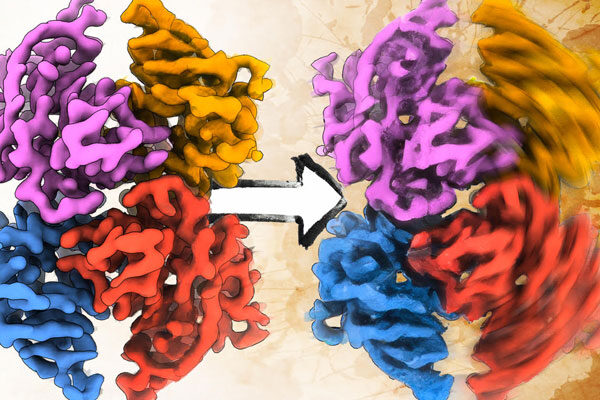
Researchers illuminate new structures of a critical amyloid protein
Insights could advance new drugs to treat the progressive, fatal disease known as transthyretin amyloidosis.
-
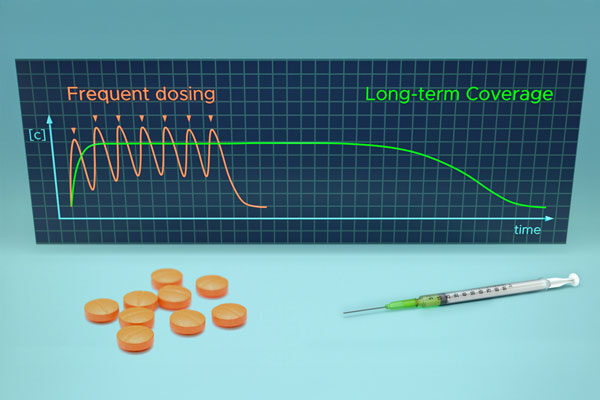
Long-acting injectable malaria drug enters first-in-human study
Calibr-Skaggs’ long-acting injectable (LAI) platform transforms oral malaria treatment atovaquone, aiming for protection from malaria for three months.
-
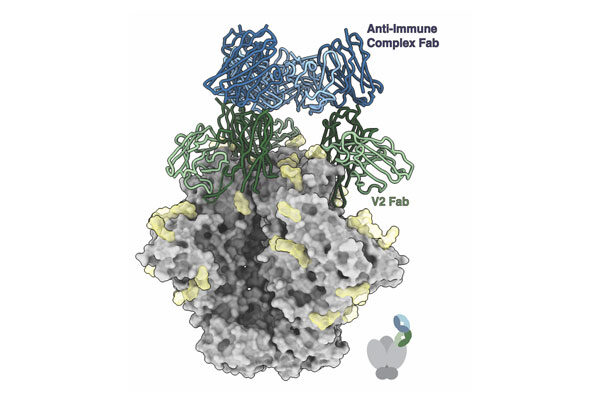
A chain reaction: HIV vaccines can lead to antibodies against antibodies
Scripps Research scientists discovered that repetitive HIV vaccinations can lead the body to produce antibodies targeting the immune complexes already bound to the virus—knowledge that could lead to better vaccines.
-
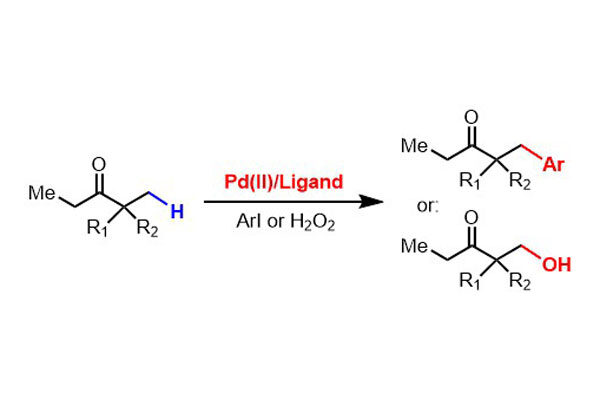
Scripps Research chemists unlock the potential of ketone and ester molecules, paving the way for greener and more efficient drug development
New findings reveal a technique to transform essential chemical building blocks for drug discovery and beyond—representing the “final step” in applying this method to all key classes of organic molecules.
-
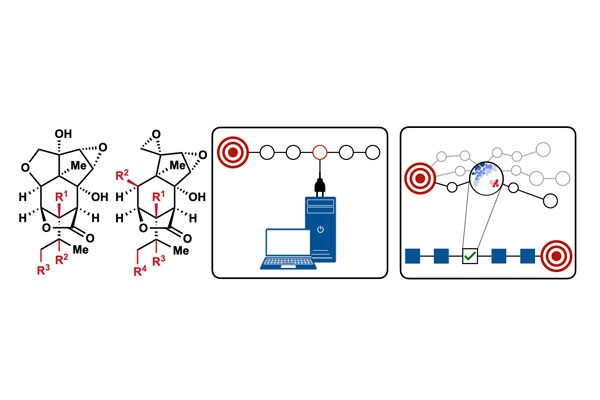
Virtual chemistry speeds up drug discovery
By using computer modeling to predict chemical reactions, Scripps Research scientists were able to synthesize 25 variations of a plant compound that could treat brain diseases.
-
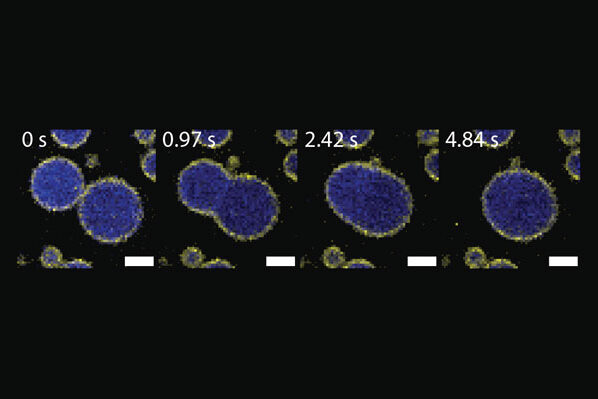
Scripps Research scientists discover a “Goldilocks” zone for DNA organization, opening new doors for drug development
A new study uncovers how DNA, magnesium and polyphosphate form a balance that’s just right—which could lead to innovations in medicine and biotechnology.
-
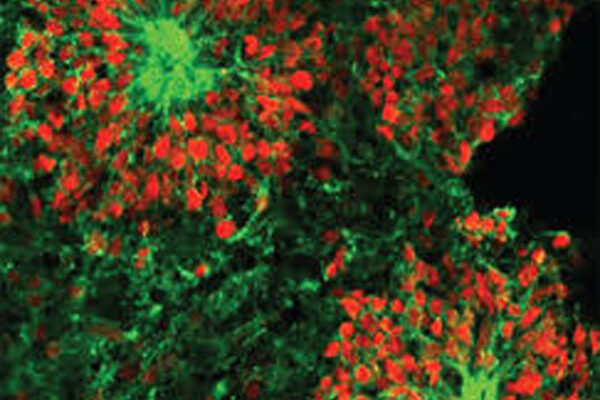
Brain cells remain healthy after a month on the International Space Station, but mature faster than brain cells on Earth
Scripps Research scientists reveal microgravity’s effects on brain cells.
-

Scripps Research assistant professor awarded NIH HEAL Initiative grant
The National Institutes for Health’s (NIH) HEAL Initiative has awarded Alejandra Mendoza, PhD, assistant professor of Immunology and Microbiology, more than $1.6 million as part of a DP2 grant designed to support early-stage investigators with highly innovative and impactful research.