

News Category: Press Release
-
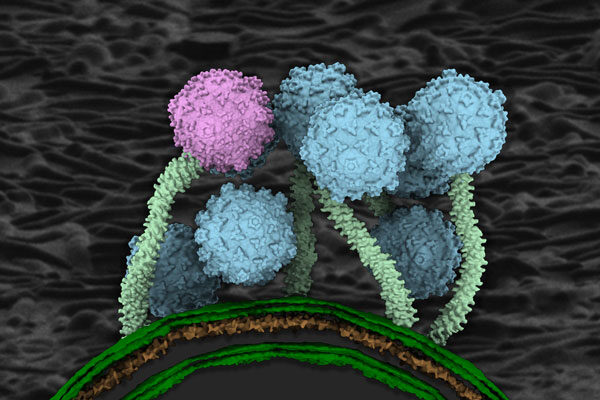
The very first structural images of a tuberculosis-fighting virus
New insights from Scripps Research could advance phage therapies for the world’s deadliest bacteria—including drug-resistant strains.
-

FDA clears IND for clinical trial testing switchable CAR-T therapy in patients with autoimmune diseases, without chemotherapy
Innovative cellular therapy has potential to treat patients with lupus, systemic sclerosis, myositis and RA without chemotherapy-induced immune suppression.
-
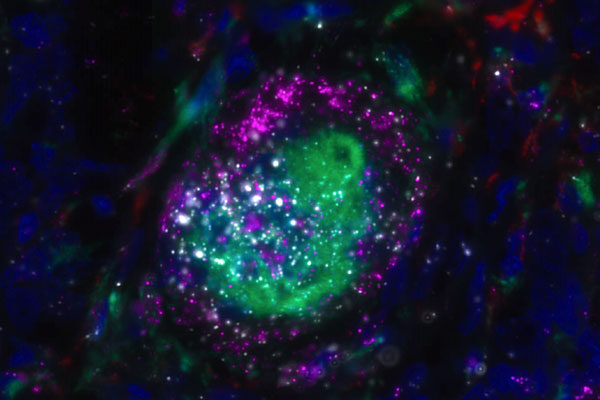
A gentle approach offers new hope for inflammatory lung diseases
Scripps Research and aTyr Pharma scientists have revealed how the protein HARSWHEP calms inflammation associated with sarcoidosis.
-
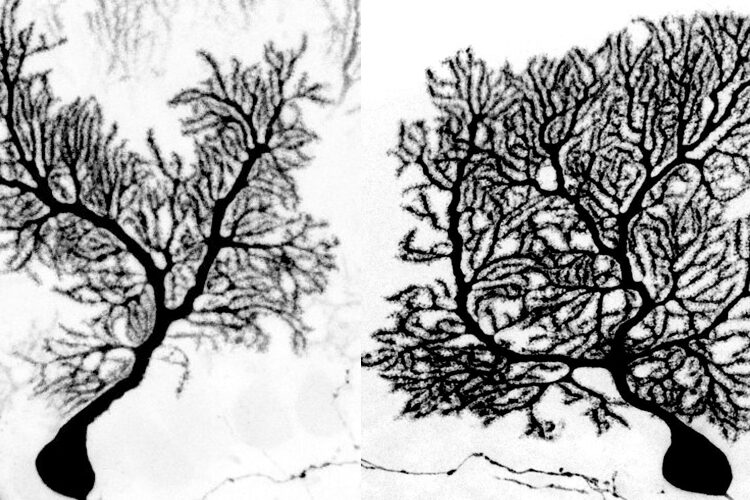
How microRNAs act as a “blueprint” for the developing brain
Scripps Research scientists reveal that microRNAs guide the development of Purkinje cells, a rare type of neuron linked to neurodevelopmental disorders.
-
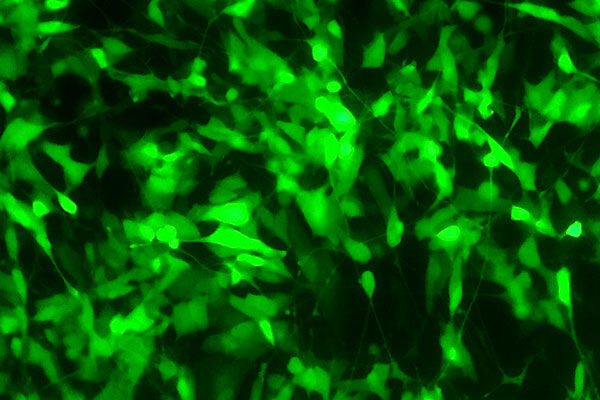
Enzyme engineering opens door to novel therapies for Parkinson’s, cancers and other hard-to-target protein diseases
Researchers reprogrammed a botulinum toxin protease to selectively break down disease-causing proteins in human cells, providing proof of concept for developing new therapies for a wide range of illnesses.
-
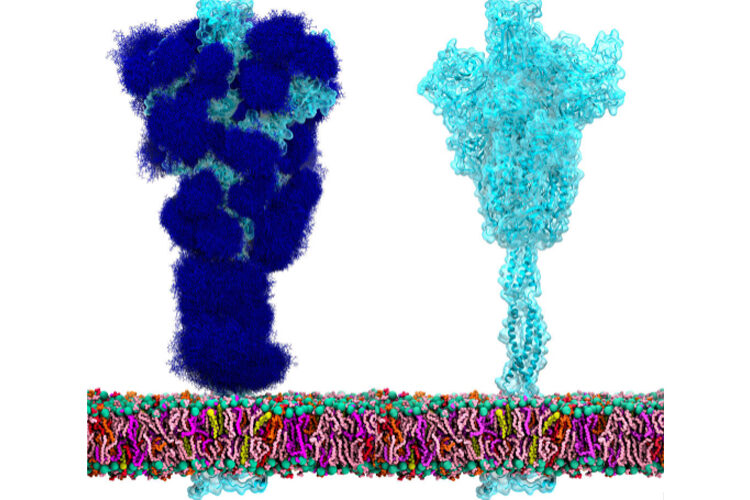
‘Low-sugar’ vaccine can provide broad immunity against coronavirus variants
Scripps Research chemistry professor Chi-Huey Wong presents results from his team’s studies at the ACS Spring 2025 Digital Meeting.
-
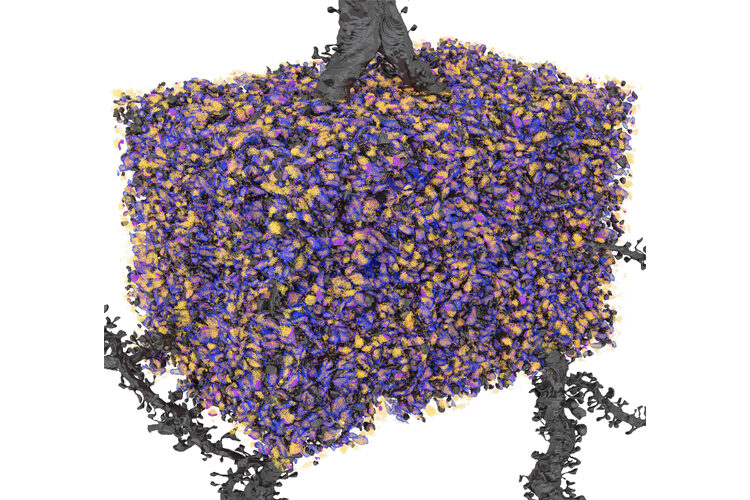
How scientists uncovered memory’s hidden architecture
New structural hallmarks of memory storage discovered by Scripps Research could lead to treatments for memory loss.
-
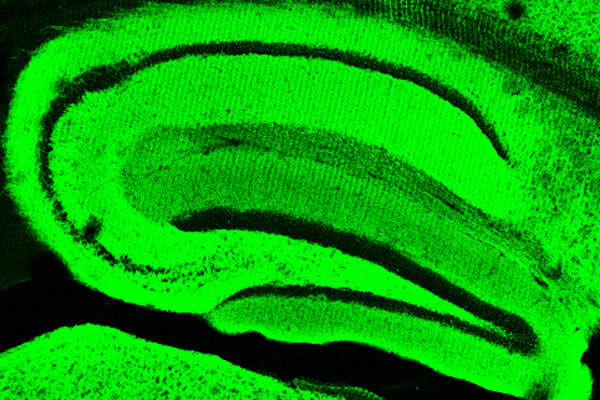
Compound found in common herbs inspires potential anti-inflammatory drug for Alzheimer’s disease
Scripps Research scientists created a stable form of carnosic acid, observing greater memory function and other disease improvements in mice.
-
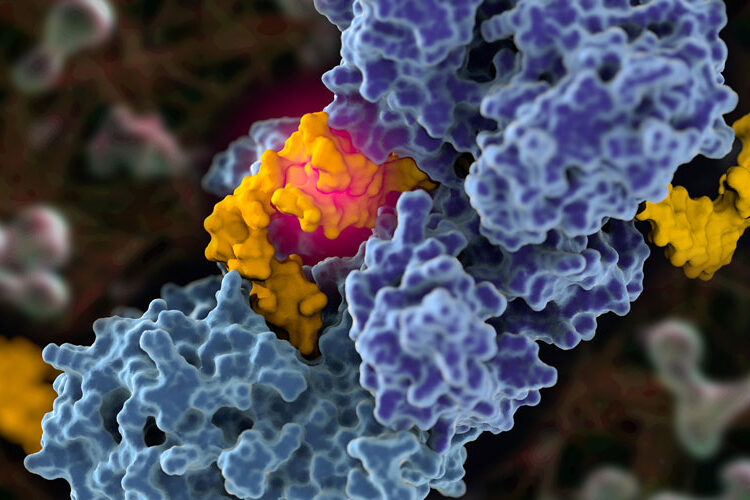
How a crucial DNA repair protein works—and what it means for cancer treatment
New structural blueprint is key for better targeting cancer cells, particularly those with BRCA1 and 2 mutations.
-
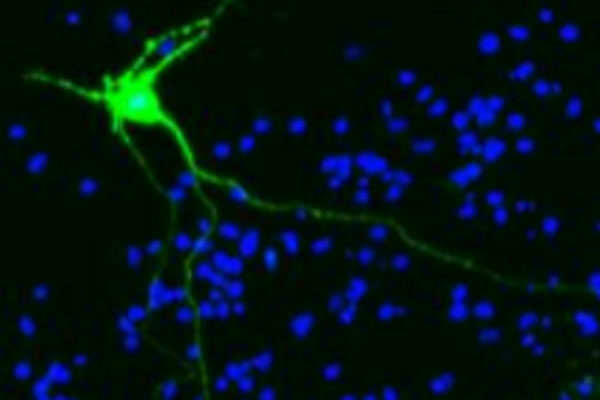
How air pollution and wildfire smoke may contribute to memory loss in Alzheimer’s disease
Scripps Research scientists discovered how a chemical modification of a key brain protein—potentially triggered by climate change-induced air pollution, pesticides, wildfires and processed meats—disrupts normal brain cell function.