Infectious Diseases

Infectious Diseases

By tracking how pathogens spread and cause disease, we develop new vaccines, antivirals and public-health tools to stop outbreaks faster.

Overview

Infectious diseases remain leading causes of mortality and disability in underprivileged areas, according to the World Health Organization, and many diseases are spreading to previously unaffected regions. 

Infectious diseases are illnesses caused by bacteria, viruses and fungi that enter the body and multiply. Some spread rapidly from person to person, while others emerge when pathogens jump from animals or even the environment. 

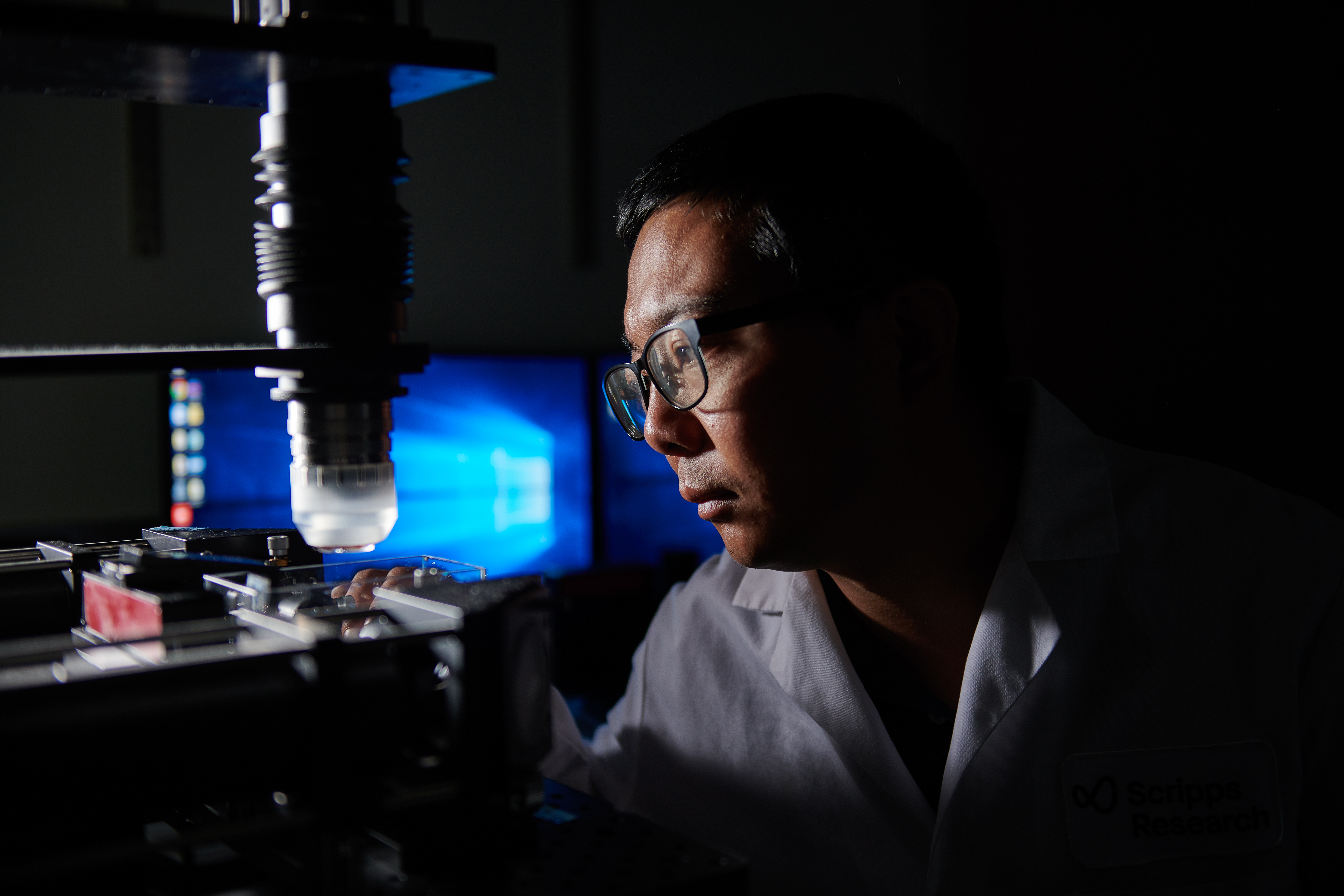
Scientists at Scripps Research collaborate across disciplines to understand these threats and design countermeasures. Our teams also develop tools for surveillance and early detection—helping communities prepare for what comes next. 

For more information on our infectious disease research programs, please contact us. 
News

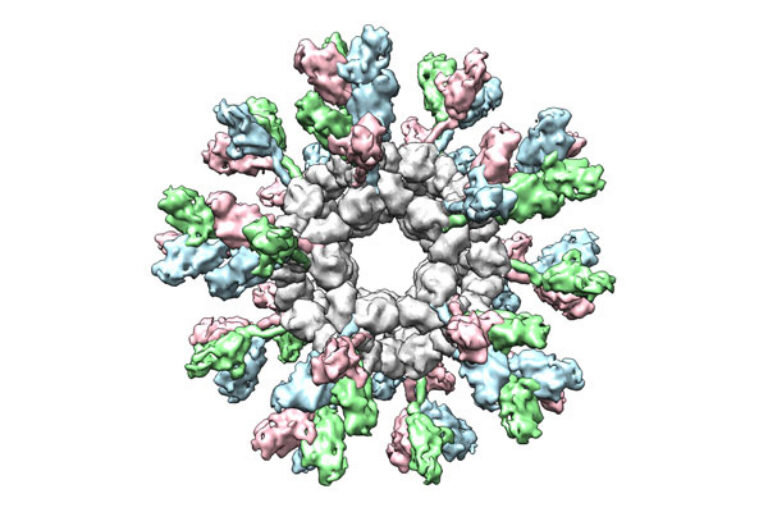
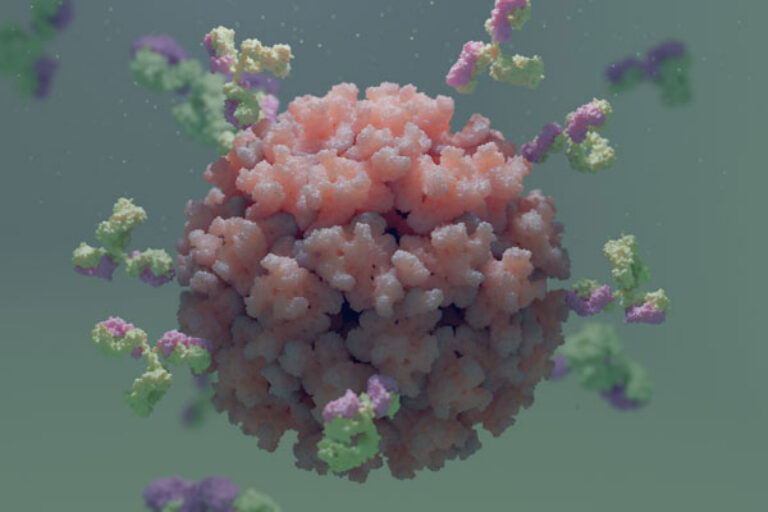
Nanoparticle vaccine strategy could protect against Ebola and other deadly filoviruses

Scripps Research scientists turn nanoparticles into virus “showcases” to help the immune system recognize deadly threats.

Read the Story
Nanoparticle vaccine strategy could protect against Ebola and other deadly filoviruses
Our scientists know that combining innovation with interdisciplinary collaboration is key to address global health challenges.
Arnab Chatterjee, PhD Executive Vice President, Calibr-Skaggs
News, Events & Media
Researchers map key human proteins that power coronavirus replication, pointing to new treatment strategies
News

Researchers map key human proteins that power coronavirus replication, pointing to new treatment strategies

Findings from Scripps Research reveal promising drug targets with potential to block coronaviruses at multiple stages of infection—even across different strains.

Scripps Research scientists receive up to $12M to create universal vaccine for alphaviruses
News

Scripps Research scientists receive up to $12M to create universal vaccine for alphaviruses

Funding from ARPA-H will be used to develop a vaccine for alphaviruses in preparation of major outbreaks in the U.S.

Pandemic Preparedness
Magazine

Pandemic Preparedness

How science and innovation can mitigate future pandemics

Medicines without borders
Magazine

Medicines without borders

How we’re creating innovative medicines to strengthen global pandemic preparedness and expand healthcare access in communities lacking essential care.

scripps research science changing life podcast episode 53
Podcast

Virologist gives update on H5N1, mpox, and preparing for an uncertain future

Roughly two years ago, virology expert and Scripps Research professor Sumit Chanda sat down with Science Changing Life to discuss all things pandemic preparedness and COVID-19. But the world is in a very different place now, with infectious disease threats like H5N1, mpox and Dengue virus on the rise. Chanda joins us once again to share the latest in the virology space, how scientists can be better communicators, and his advice for making sure we’re as prepared for an uncertain future as we can be.

Delivering medicines for a global population
Video

Delivering medicines for a global population

Infectious diseases like tuberculosis and malaria pose an ever-increasing risk to communities around the world. Meanwhile, a lack of investment, long treatment protocols and drug resistance have stymied innovation in this area. In this Front Row lecture, Vice President of Medicinal Chemistry Arnab Chatterjee discussed how the Calibr-Skaggs Institute of Innovative Medicines—the drug discovery and development arm of Scripps Research—is using innovative new approaches and technologies to overcome these historic barriers. His work at the Calibr-Skaggs Institute is helping accelerate the delivery of safe, effective and accessible medicines to countries spanning the globe.

Calibr-Skaggs Drug Discovery Arnab Chatterjee Events Front Row Lecture Series Infectious Diseases Respiratory Diseases tuberculosis
The search for universal HIV vaccines
Video

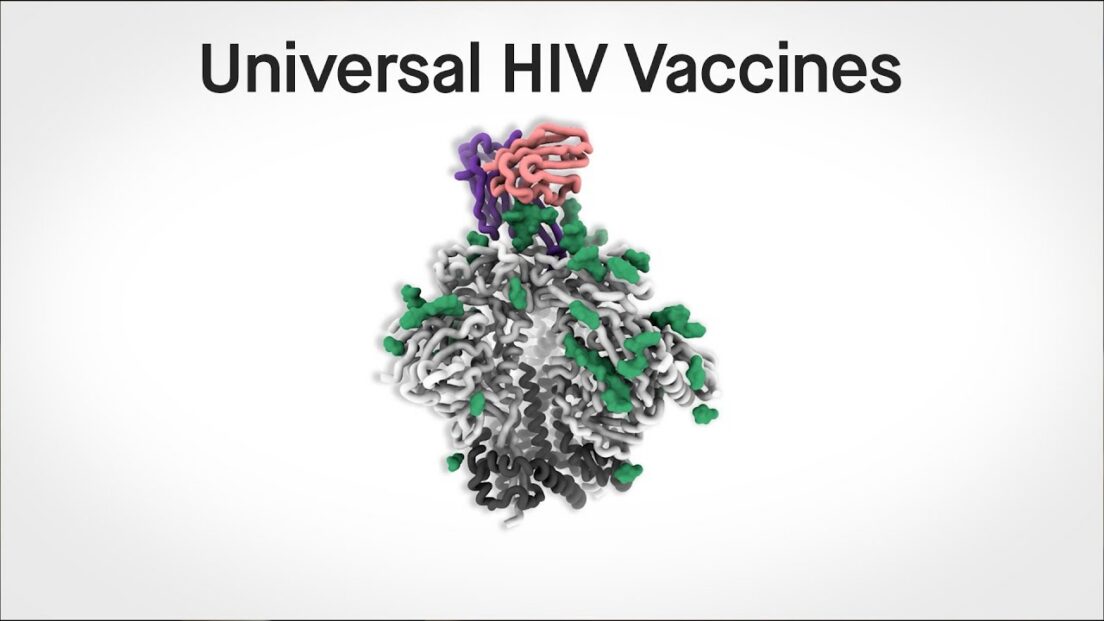
The search for universal HIV vaccines

Scientists at Scripps Research are working to develop universal vaccines capable of neutralizing many variants of a given virus. In recent years, they have made significant progress toward creating universal vaccines for influenza, HIV and coronavirus. In the third installment of our universal vaccine series, we hear from top scientists in the field about the latest developments in the effort to create universal vaccines for HIV, and the impact these elusive immunizations could have on the world. Professor William Schief and his team are focused on developing an effective HIV vaccine using a novel strategy: eliciting broadly neutralizing antibodies (bnAbs). bnAbs are a rare type of antibody that can fight and protect against many different variants of a virus. Researchers have long struggled to identify and induce the appropriate bnAbs for HIV vaccination, but Schief’s lab—in collaboration with many others at Scripps Research—is applying a variety of computation-guided and structure-based design techniques to overcome these historic hurdles.

Immunology & Microbiology HIV/AIDS Immunology & Microbiology Infectious Diseases Vaccines
Video

Outsmarting emerging pathogens in an interconnected world

Drug Discovery

From Discoveries to Therapies

Scripps Research spans preparedness and response: building vaccines and antibodies, discovering antivirals, and developing tools that detect threats early and guide public-health decisions.

Virus–Host Interactions

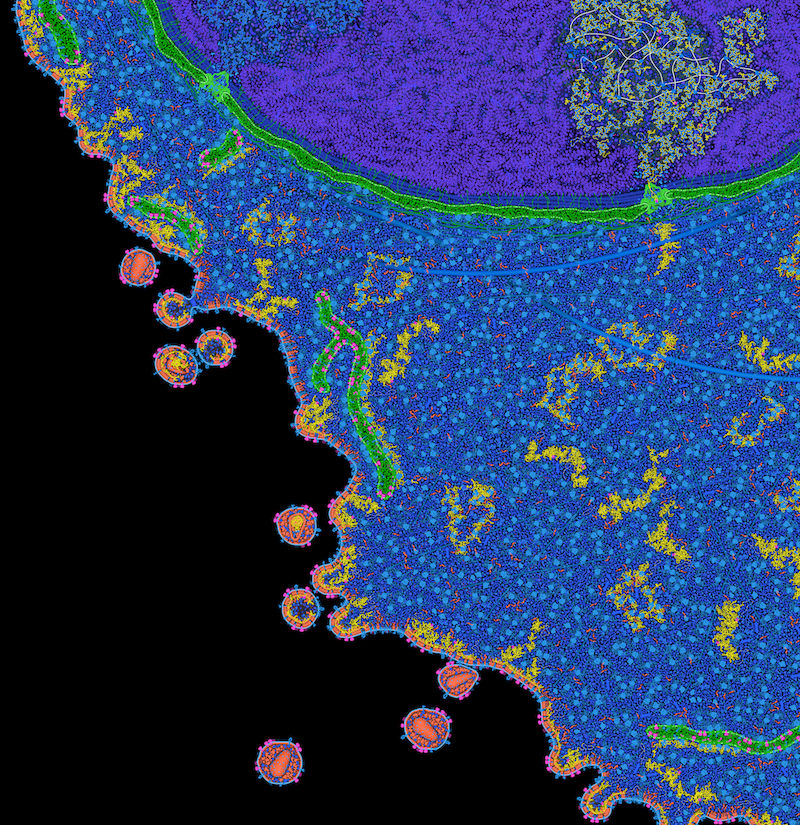
Understanding how viruses interact with human cells is key to identifying new treatment strategies. Scripps Research scientists map the host proteins and cellular pathways viruses rely on to replicate, revealing vulnerabilities that future therapies could target.

Vaccines and Antibodies

Researchers use structural biology, immunology and protein engineering to design vaccines and antibody-based therapies that train the immune system to recognize and neutralize pathogens. These strategies help guide the development of vaccines against rapidly evolving viruses such as HIV and emerging pandemic threats.

Antiviral Drugs

We identify molecules that block viral replication or interfere with essential viral proteins. By combining chemistry, biology and drug discovery expertise, researchers at the Calibr-Skaggs Institute for Innovative Medicines aim to translate laboratory discoveries into antiviral medicines that can treat infections or limit their spread.

Outbreak Surveillance

We analyze pathogen genomes and large-scale biological data to track how infectious diseases emerge and spread through populations. These approaches help scientists understand transmission patterns, identify new variants and inform public-health responses to outbreaks.


Patient Impact
News

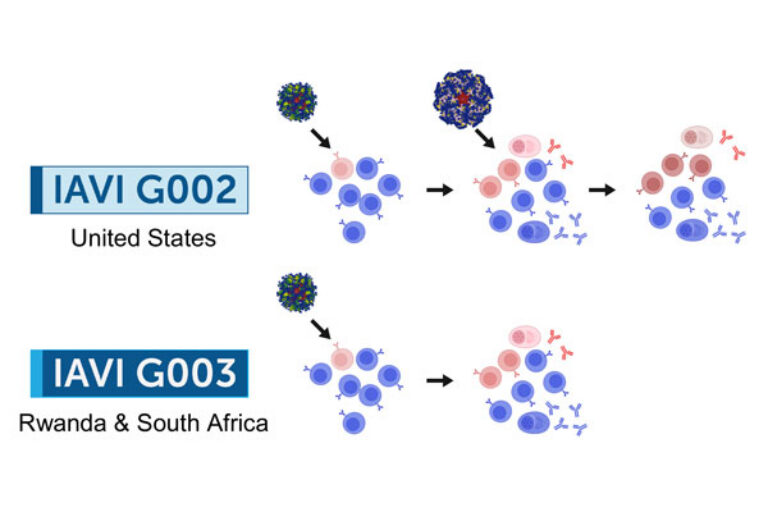
Two HIV vaccine trials show proof of concept for pathway to broadly neutralizing antibodies

North American and African clinical trials led by Scripps Research, IAVI and additional collaborators across the U.S. and Africa mark progress toward an effective HIV vaccine.

Read the Story
Two HIV vaccine trials show proof of concept for pathway to broadly neutralizing antibodies
Groundbreaking Science.
Life-changing Medicine.