Video Tag: Respiratory Diseases
-
How scientists are trying to repair the body from within: Regenerative medicine and anti-aging
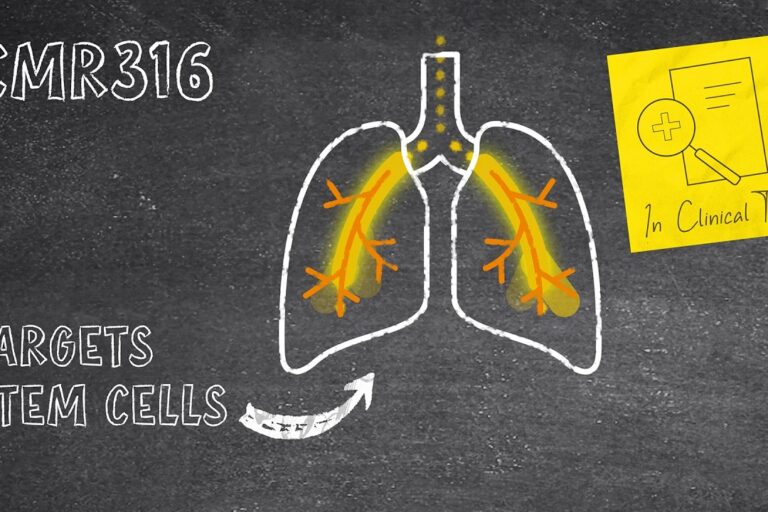
At Scripps Research and its drug discovery arm, the Calibr-Skaggs Institute for Innovative Medicines, scientists are developing regenerative medicine therapies designed to help the body repair itself from within. Unlike traditional medicines that primarily manage symptoms or slow disease progression, regenerative medicine aims to restore damaged tissues and rebuild function lost to aging and disease. Researchers are advancing programs focused on the heart, lungs, digestive tract and eyes, including investigational therapies for heart failure, idiopathic pulmonary fibrosis, inflammatory bowel disease, age-related macular degeneration and other chronic conditions that become more common as we age. Learn how scientists are activating the body’s natural repair mechanisms to explore a future where medicine may not only treat disease, but help reverse its damage.
-

Scientists identify mutation that could facilitate H5N1 “bird flu” transmission in humans
A recent Science study reveals that a single mutation in the H5N1 “bird flu” virus could enhance the virus’ ability to attach to human cells. Led by Scripps Research scientists Ian Wilson and James Paulson, the study highlights the need to monitor H5N1’s evolution.
-
New regenerative lung therapy begins phase 1 trials | CMR316 & IPF treatment
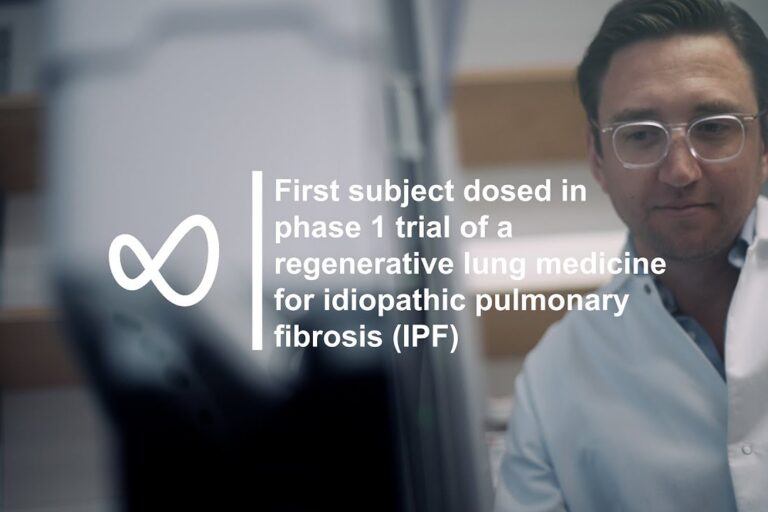
The Calibr-Skaggs Institute for Innovative Medicines, part of Scripps Research, has begun testing a new regenerative lung therapy called CMR316. This inhaled treatment could change the way we treat lung diseases like idiopathic pulmonary fibrosis (IPF) and potentially even chronic obstructive pulmonary disease by stimulating stem cells to restore damaged lung tissue. In this phase 1 clinical trial, they're checking the safety and effects of this once-weekly drug in both healthy volunteers and IPF patients.
-
Delivering medicines for a global population
Infectious diseases like tuberculosis and malaria pose an ever-increasing risk to communities around the world. Meanwhile, a lack of investment, long treatment protocols and drug resistance have stymied innovation in this area. In this Front Row lecture, Vice President of Medicinal Chemistry Arnab Chatterjee discussed how the Calibr-Skaggs Institute of Innovative Medicines—the drug discovery and development arm of Scripps Research—is using innovative new approaches and technologies to overcome these historic barriers. His work at the Calibr-Skaggs Institute is helping accelerate the delivery of safe, effective and accessible medicines to countries spanning the globe.
-
Regenerating tissues to treat disease
Regenerative medicine involves harnessing the body’s own capacity to repair tissues and organs. In this Front Row lecture, Associate Professor Michael Bollong shared how he's identifying and targeting the pathways controlling regeneration. By combining traditional drug discovery tools with modern biological techniques, Bollong and his lab are developing novel medicines that can intervene in the processes that cause a spectrum of human diseases and medical conditions, including heart disease, inflammatory disease and fibrosis.