Video Tag: Integrative Structural & Computational Biology
-

Decoding viruses for vaccine innovation
Viruses use specialized proteins to infect human cells, and understanding their structure is key to creating more effective vaccines and antiviral therapies. In this Front Row lecture, Scripps Research professor Andrew Ward delved into his pioneering work on mapping these proteins with cutting-edge imaging techniques. Ward’s research provides critical insights into viral neutralization mechanisms, paving the way for advancements in vaccine development against pathogens like HIV, influenza, coronaviruses and much more.
-

Front Row spotlight with Andrew Ward
Viruses use specialized proteins to infect human cells, and understanding their structure is key to creating more effective vaccines and antiviral therapies. Scripps Research professor Andrew Ward will delve into his pioneering work on mapping these proteins with cutting-edge imaging techniques. Ward’s research provides critical insights into viral neutralization mechanisms, paving the way for advancements in vaccine development against pathogens like HIV, influenza, coronaviruses and much more.
-

Peering into the mitochondria to reveal cellular stress and disease
The mitochondria are well known for being cellular “powerhouses,” given their important role in energy generation. Yet emerging research is now suggesting these organelles also play a key role as the stress-sensors for the cell. In this Front Row lecture, Scripps Research assistant professor Danielle Grotjahn explored how mitochondria change shape in response to different genetic and environmental stressors. By harnessing cutting-edge imaging technologies to examine mitochondria in these never-before-seen-ways, Grotjahn is revealing how these organelles can predict overall cellular health and even disease, including neurodegenerative disorders and cancer.
-
Combating “resting” bacteria to better treat chronic infections
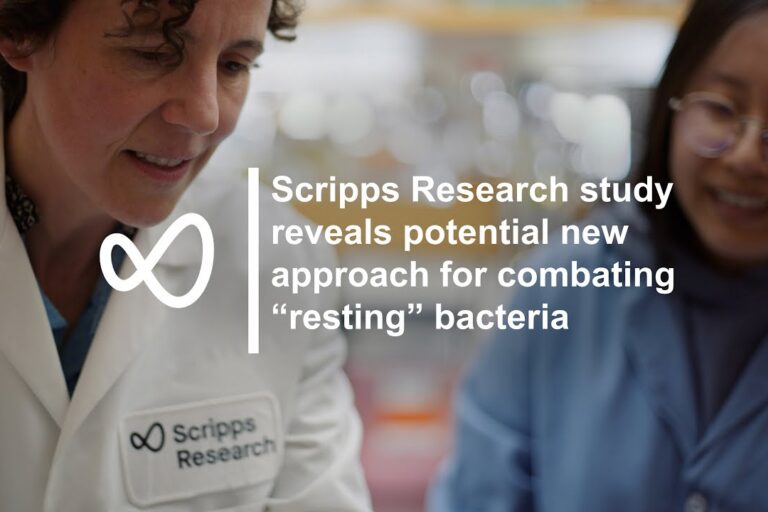
Scripps Research scientists have discovered how long chains of molecules called polyphosphates (polyP) are needed for bacteria to slow down movements within cells and let them enter a resting state. This “resting state” helps the pathogen evade antibiotics and contributes to severe chronic infections in the lungs and blood, within wounds, and on the surfaces of medical devices. These findings, published in Proceedings of the National Academy of Sciences on April 02, 2024, could eventually lead to new ways of treating chronic infections in which typical antibiotics aren’t effective.
-
An immunity boost: A century of science changing life
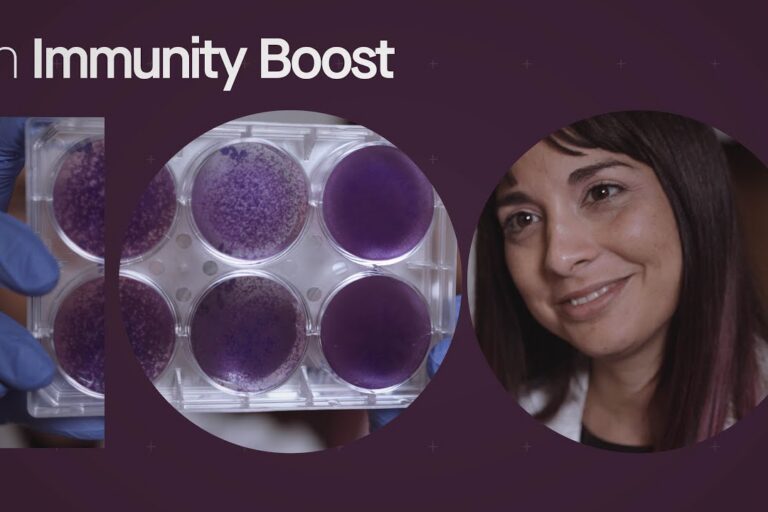
In 1961, pioneering immunologist Frank Dixon established the Department of Experimental Pathology at the Scripps Clinic and Research Foundation, which would later become the basis of Scripps Research. Dixon served as director for 25 years, where his immunological focus would forever shape the institute’s scientific focus—as well as the world’s. Since Dixon’s leadership, scientists at Scripps Research have made countless discoveries revealing how the immune system functions and responds to different diseases. From designing universal vaccines for harmful viruses to uncovering the structures of deadly microbes, we're dedicated to translating our understanding of the immune system to eradicate disease worldwide.
-

The genomic revolution: Using DNA to predict disease risk and individualize treatment
Your DNA contains an incredible amount of information about every aspect of your being, including your risk of developing certain diseases. But up until recently, it was nearly impossible for doctors to analyze that information for individual patients. Now, with the help of affordable genomic sequencing, artificial intelligence and machine learning, scientists are working towards personalizing medical care. At the Scripps Research Translational Institute, Professor Ali Torkamani is developing ways to predict a person’s risk for rare and common diseases.
-

Visualizing the invisible machinery of life and death
Within each of our cells, countless microscopic molecular machines work to keep the body healthy. But when these machines break down, chronic diseases arise. In this Front Row lecture, Scripps Research professor Gabriel Lander shared how his lab is using the most powerful microscopes on the planet to visualize the ways these biological motors operate and how they can be controlled to fight chronic diseases. His discoveries are helping us understand how cellular machines communicate within the body, providing avenues for therapeutic intervention in cancer, heart disease and neurodegeneration.
-
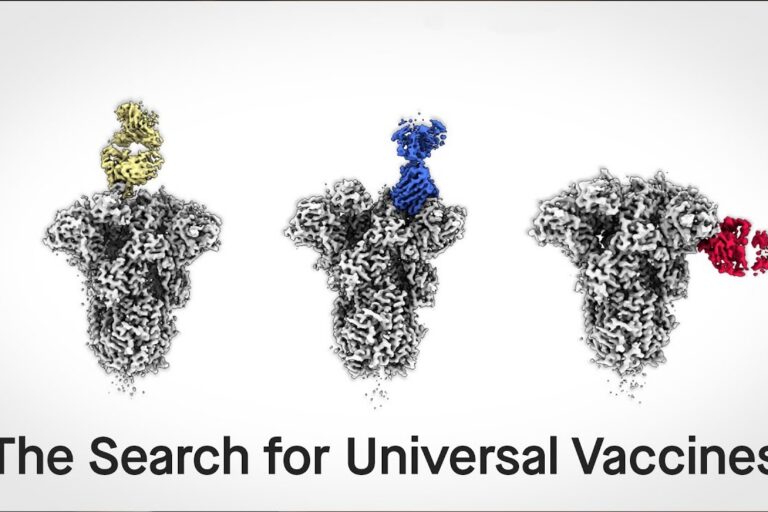
The search for universal vaccines
Scientists at Scripps Research are working to develop universal vaccines capable of neutralizing many variants of a given virus. In recent years, they've made significant progress toward creating universal vaccines for influenza, HIV and coronavirus. In this series, we hear from top scientists in the field about the effort to develop universal vaccines, and the impact these elusive immunizations could have on the world.
-
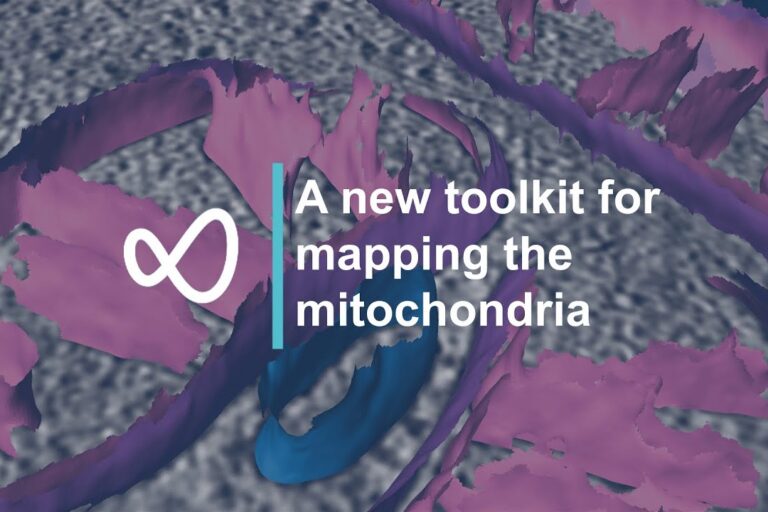
A new toolkit for mapping the mitochondria
An advanced imaging-based method from scientists at Scripps Research offers a new way of studying mitochondria, which are best known as the “powerhouses” of cells. In their report on February 14, 2023, in the Journal of Cell Biology, the scientists described a set of techniques that enables the imaging and quantification of even subtle structural changes inside mitochondria, and the correlation of those changes with other processes ongoing in cells.
-

Understanding biological factories to fuel drug discovery
Every organism depends on its ability to make cellular proteins from the core set of genetic blueprints—a process carried out in the cell by ancient biological factories. However, when this building process goes awry, various types of disease can take hold. In this opening lecture of the sixth season, Scripps Research professor and regular Front Row host Jamie Williamson unveiled his lab’s unprecedented exploration of these protein-building machines and the secrets they hold in maintaining cellular health. His cutting-edge research is evolving our view of molecular engineering and uncovering new drug targets for bacterial infections and cancer.