Video Tag: Immunology & Microbiology
-

How the nervous and immune systems coordinate inflammation
Just as we can distinguish between the sting of heat and the chill of cold, our immune system is finely tuned to recognize and respond to a wide range of threats, from viruses and bacteria to allergens and injury. This complex sensing relies on communication between diverse cell types, including sensory neurons and immune cells, to ensure responses are tailored to the specific challenge. In this Front Row lecture, Assistant Professor Alejandra Mendoza explored how neuro-immune cellular circuits regulate inflammation, pain, and immunity. By bridging neuroscience and immunology, her research is revealing how our bodies interpret signals from the environment to guide immune decisions, from fighting infections to controlling tumor growth and chronic inflammatory diseases.
-
Why microbes matter: Your immune system’s microscopic allies | Behind the Bench with Howard Hang
In the world of immunology, “gut reactions” take on a whole new meaning—not emotions, but signals from tiny organisms found in the gastrointestinal tract. And at Scripps Research, Professor Howard Hang explores the surprising power of some of the smallest inhabitants: microbes. These trillions of bacteria living in the gut communicate with human cells to shape immunity, metabolism and even how the body responds to disease treatments.
-
How microbes are rewriting the rules of immunity
How do microbes influence our immune system, and can we leverage this relationship to combat disease? In this Front Row lecture, Scripps Research professor Howard Hang delved into his lab’s innovative work at the intersection of chemistry, microbiology and immunology. By dissecting the molecular dialogues between gut bacteria and human cells, Hang’s research uncovers how microbial enzymes generate small molecules—called microbial metabolites—that can influence immune responses. These insights are paving the way for new treatments against infections, cancer and inflammatory illnesses, highlighting the powerful role that microbes play in shaping human health.
-
Scientists uncover a “one-two punch” for fighting cancer
Checkpoint inhibitor therapies can be thought of as the molecular “brake release” for the immune system. These drugs eliminate the protein barriers that impede the immune system from recognizing and targeting cancer cells in the body. While there are multiple checkpoint inhibitors approved to treat different types of cancer, many patients don’t respond or develop resistance to available regiments. A Scripps Research team has now found that ruxolitinib, an approved immunosuppressive drug, supercharged T-cell responses when used alongside checkpoint inhibitors—boosting their effectiveness in fighting cancer. These findings, published in Science on June 21, are supported by a phase I clinical trial of patients with Hodgkin lymphoma, as well as preclinical models.
-
An immunity boost: A century of science changing life
In 1961, pioneering immunologist Frank Dixon established the Department of Experimental Pathology at the Scripps Clinic and Research Foundation, which would later become the basis of Scripps Research. Dixon served as director for 25 years, where his immunological focus would forever shape the institute’s scientific focus—as well as the world’s. Since Dixon’s leadership, scientists at Scripps Research have made countless discoveries revealing how the immune system functions and responds to different diseases. From designing universal vaccines for harmful viruses to uncovering the structures of deadly microbes, we're dedicated to translating our understanding of the immune system to eradicate disease worldwide.
-
Combating microbial threats: A century of science changing life
Every day, scientists at Scripps Research are discovering and developing new treatments to combat today’s infectious disease threats—and tomorrow’s. Many of these researchers played a significant role in the COVID-19 pandemic, including identifying new antibody treatments and uncovering the virus’s structure. Meanwhile, they're also applying these key learnings to better prepare the global population for whichever microbial threat emerges next.
-
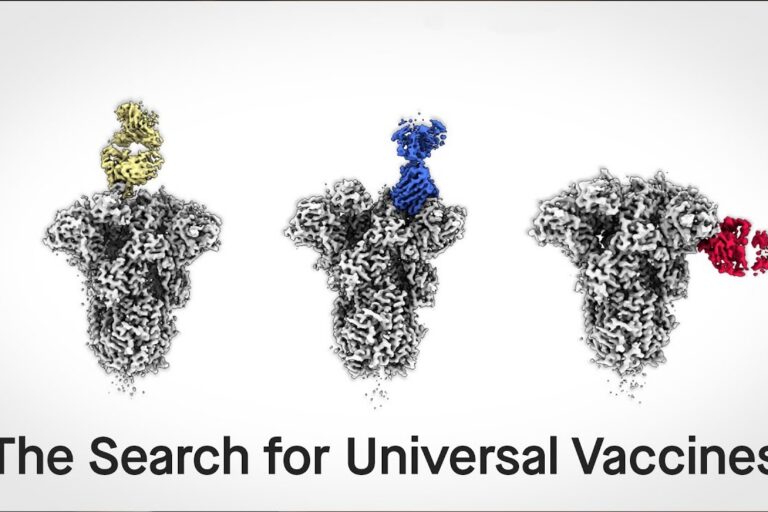
The search for universal vaccines
Scientists at Scripps Research are working to develop universal vaccines capable of neutralizing many variants of a given virus. In recent years, they've made significant progress toward creating universal vaccines for influenza, HIV and coronavirus. In this series, we hear from top scientists in the field about the effort to develop universal vaccines, and the impact these elusive immunizations could have on the world.
-
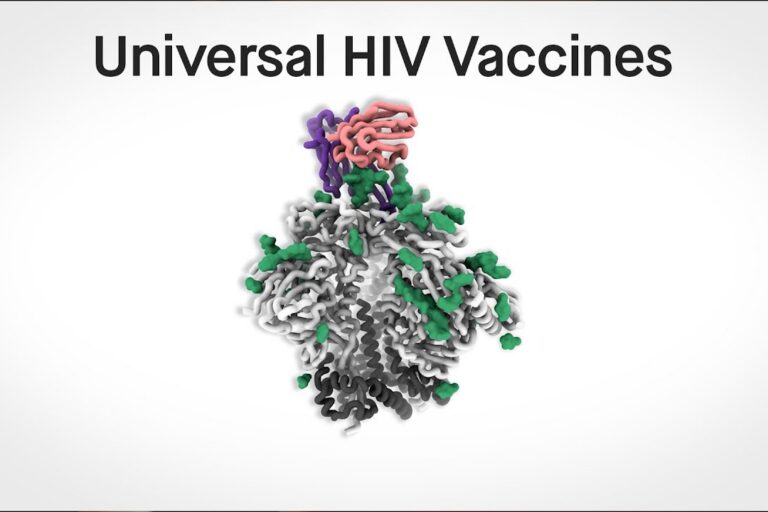
The search for universal HIV vaccines
Scientists at Scripps Research are working to develop universal vaccines capable of neutralizing many variants of a given virus. In recent years, they have made significant progress toward creating universal vaccines for influenza, HIV and coronavirus. In the third installment of our universal vaccine series, we hear from top scientists in the field about the latest developments in the effort to create universal vaccines for HIV, and the impact these elusive immunizations could have on the world. Professor William Schief and his team are focused on developing an effective HIV vaccine using a novel strategy: eliciting broadly neutralizing antibodies (bnAbs). bnAbs are a rare type of antibody that can fight and protect against many different variants of a virus. Researchers have long struggled to identify and induce the appropriate bnAbs for HIV vaccination, but Schief’s lab—in collaboration with many others at Scripps Research—is applying a variety of computation-guided and structure-based design techniques to overcome these historic hurdles.