Video Tag: Drug Discovery
-
How scientists are trying to repair the body from within: Regenerative medicine and anti-aging
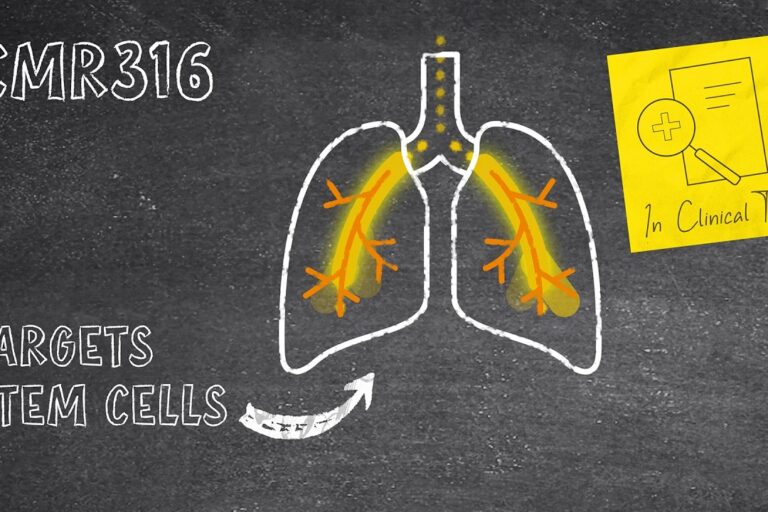
At Scripps Research and its drug discovery arm, the Calibr-Skaggs Institute for Innovative Medicines, scientists are developing regenerative medicine therapies designed to help the body repair itself from within. Unlike traditional medicines that primarily manage symptoms or slow disease progression, regenerative medicine aims to restore damaged tissues and rebuild function lost to aging and disease. Researchers are advancing programs focused on the heart, lungs, digestive tract and eyes, including investigational therapies for heart failure, idiopathic pulmonary fibrosis, inflammatory bowel disease, age-related macular degeneration and other chronic conditions that become more common as we age. Learn how scientists are activating the body’s natural repair mechanisms to explore a future where medicine may not only treat disease, but help reverse its damage.
-

The sweet side of drug discovery: How sugars can help shape the future of medicines
Some of the most powerful medicines we use today come from natural products, which are specialized molecules that plants and microbes have evolved over millions of years. Sugars play a key role in these compounds—determining how a molecule behaves, where it travels in the body and how strongly it activates the immune system. In this Front Row lecture, Scripps Research chemist Yuzhong Liu demonstrated how her lab uses synthetic biology to decode the role of sugars in medicine—helping scientists build next-generation vaccine adjuvants, cancer therapies and safer treatments.
-
Expanding the drug target universe
There are countless proteins that play critical roles in disease, yet they remain challenging to target with therapeutics. In this Front Row lecture, Professor Benjamin Cravatt explained how his large-scale protein profiling research and innovative chemical technologies are helping identify novel drugs for therapeutic targets previously deemed ‘undruggable.’ Cravatt’s translational work, which is at the intersection of chemistry and biology, has also led to the formation of multiple local biotechnology companies that collectively employ hundreds of scientists who are developing first-in-class candidate medicines for diverse diseases ranging from cancer to neurological disorders.
-
Reprogramming the immune system: Precision immunotherapy for cancer and autoimmune disease
Your immune system is your body’s natural defense, capable of identifying what belongs and what doesn’t. But when it falters, it can let cancer grow unchecked or mistakenly attack your own healthy tissues, leading to autoimmune diseases. What if we could reprogram the immune system to tip the balance in our favor, gaining an advantage over both cancers and autoimmune disorders? In this Front Row lecture, Calibr-Skaggs’ vice president of biologics, Travis Young, shared how Scripps Research is using genetic engineering to reprogram patients’ own immune cells to create personalized “switchable” CAR-T cell therapies. This approach represents a new class of precision immunotherapy designed to induce deep and durable remissions in patients with a wide range of cancers, from lymphoma to breast cancer, as well as in chronic autoimmune conditions such as lupus, rheumatoid arthritis and systemic sclerosis. Young explained how this breakthrough strategy works and what it could mean for the future of medicine.
-

Shaping the future of medicine
Under the leadership of President and CEO Pete Schultz, Scripps Research is building on this strong scientific foundation to accelerate the impact of fundamental research on human health. In addition to leading the way in curiosity-fueled science, Scripps Research has emerged as a world leader in translational research, including drug discovery and advances in individualized and digital medicine. The Calibr-Skaggs Institute for Innovative Medicines and the Scripps Research Translational Institute (SRTI), unique in the nonprofit research sector, are dedicated to turning scientific discoveries into real-world medical advances, including preventative approaches, diagnostics and new medicines.
-
Fixing the misfolded proteins that cause dementia and heart failure
All proteins have a correct way of “folding” themselves into their 3D structures. When this folding process goes awry, including processes leading to protein misassembly, a number of devastating diseases can result. In this Front Row lecture, Scripps Research professor Jeffery Kelly shared how he's developing novel therapeutic strategies to target these protein misfolding diseases, which lead to deterioration of the heart and brain. His multi-disciplinary research has already led to the development of an FDA-approved drug available in the pharmacy called tafamidis (Vyndaqel® and Vyndamax®): a medicine that slows the progression of the neurodegenerative disease familial amyloid polyneuropathy and the degenerative heart disease called TTR cardiomyopathy.
-

Front Row spotlight with Jeffery Kelly
Scripps Research professor Jeffery Kelly received an unexpected visit from a patient whose life was dramatically improved by tafamidis—a revolutionary drug for treating neurodegenerative and heart diseases, developed by Kelly himself. Kelly is a leading figure at Scripps Research, spearheading efforts to address some of the most pressing medical challenges, including Alzheimer’s and various amyloid diseases. His cutting-edge research on protein misfolding has not only led to the development of tafamidis but has also broadened our understanding of protein aggregation disorders.
-

Bringing precision therapy to mental disorders
Mental disorders like depression and schizophrenia affect the lives of millions of people around the world, and yet, available treatment options have remained the same for decades. In this Front Row lecture, Scripps Research professor Hugh Rosen shared how his pioneering research has led to the development of the drug navacaprant, which precisely targets one of the brain’s behavioral circuits and is currently in clinical testing for major depressive disorder. Harnessing his expertise as a physician-scientist, Rosen has discovered and developed multiple other medicines, including ozanimod—a breakthrough treatment approved for multiple sclerosis and ulcerative colitis.
-
An engine for new medicines: A century of science changing life
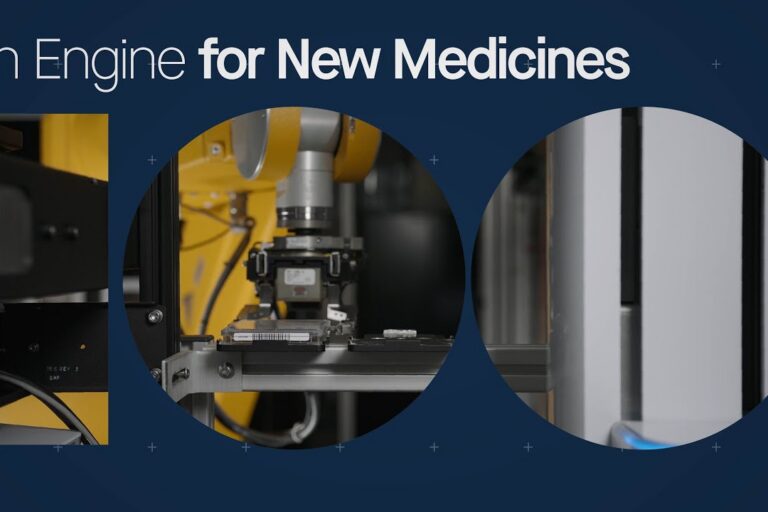
Calibr, a nonprofit research institute founded by Scripps Research President and CEO Pete Schultz, joined Scripps Research in 2018 as its drug discovery division. As a world-class nonprofit “bench to bedside” drug discovery engine, Calibr delivers groundbreaking solutions to unmet medical needs by uniting the creativity of fundamental discovery with highly focused R&D capabilities and expertise.