Video Tag: Cancer
-

Close encounters: Designing drugs that recruit the cell’s own machinery to fight cancer and beyond
Some of the most devastating diseases are driven by proteins that cannot be targeted with conventional drugs. Scientists are now discovering ways to control disease by recruiting the cell’s own machinery to tackle this challenge. In this Front Row lecture, Associate Professor Michael Erb took the audience inside the cell to explain how his team is developing “proximity” drugs. Erb’s innovation has implications to change how scientists and cells join forces to fight against breast, prostate and blood cancers. Learn how proximity drugs can eliminate proteins, rewire essential cellular pathways, and enable researchers to target previously “undruggable” proteins.
-

Reprogramming the immune system: Precision immunotherapy for cancer and autoimmune disease
Your immune system is your body’s natural defense, capable of identifying what belongs and what doesn’t. But when it falters, it can let cancer grow unchecked or mistakenly attack your own healthy tissues, leading to autoimmune diseases. What if we could reprogram the immune system to tip the balance in our favor, gaining an advantage over both cancers and autoimmune disorders? In this Front Row lecture, Calibr-Skaggs’ vice president of biologics, Travis Young, shared how Scripps Research is using genetic engineering to reprogram patients’ own immune cells to create personalized “switchable” CAR-T cell therapies. This approach represents a new class of precision immunotherapy designed to induce deep and durable remissions in patients with a wide range of cancers, from lymphoma to breast cancer, as well as in chronic autoimmune conditions such as lupus, rheumatoid arthritis and systemic sclerosis. Young explained how this breakthrough strategy works and what it could mean for the future of medicine.
-
Precision immunotherapy: How “switchable” CAR-Ts work in cancer and autoimmune diseases
What if we could control powerful CAR-T cell therapies like flipping a switch? At the Calibr-Skaggs Institute for Innovative Medicines at Scripps Research, we're pioneering a next-generation "switchable" CAR-T (sCAR-T) platform—designed to tackle cancer and autoimmune diseases with greater precision, safety and durability. Traditional CAR-T has been highly successful, but multiple barriers remain: off-target toxicity, T-cell ‘exhaustion’ (weakening of CAR-T cell response over time), and manufacturing challenges restrict the widespread use and application of traditional CAR-T to solid tumors. Our platform features a universal design with antibody-based “switches” that are selective for multiple disease-related targets—increasing specificity while reducing potential off-target effects. Preliminary results from our phase 1 trial in B-cell malignancies are promising, and we're now gearing up to expand into solid tumors and autoimmune conditions. Watch to see how this innovative approach could transform the future of immunotherapy.
-

Peering into the mitochondria to reveal cellular stress and disease
The mitochondria are well known for being cellular “powerhouses,” given their important role in energy generation. Yet emerging research is now suggesting these organelles also play a key role as the stress-sensors for the cell. In this Front Row lecture, Scripps Research assistant professor Danielle Grotjahn explored how mitochondria change shape in response to different genetic and environmental stressors. By harnessing cutting-edge imaging technologies to examine mitochondria in these never-before-seen-ways, Grotjahn is revealing how these organelles can predict overall cellular health and even disease, including neurodegenerative disorders and cancer.
-
Scientists uncover a “one-two punch” for fighting cancer
Checkpoint inhibitor therapies can be thought of as the molecular “brake release” for the immune system. These drugs eliminate the protein barriers that impede the immune system from recognizing and targeting cancer cells in the body. While there are multiple checkpoint inhibitors approved to treat different types of cancer, many patients don’t respond or develop resistance to available regiments. A Scripps Research team has now found that ruxolitinib, an approved immunosuppressive drug, supercharged T-cell responses when used alongside checkpoint inhibitors—boosting their effectiveness in fighting cancer. These findings, published in Science on June 21, are supported by a phase I clinical trial of patients with Hodgkin lymphoma, as well as preclinical models.
-
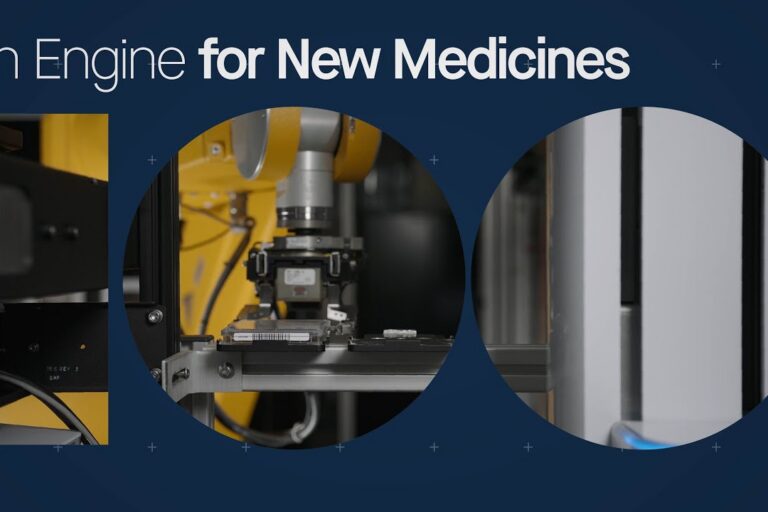
An engine for new medicines: A century of science changing life
Calibr, a nonprofit research institute founded by Scripps Research President and CEO Pete Schultz, joined Scripps Research in 2018 as its drug discovery division. As a world-class nonprofit “bench to bedside” drug discovery engine, Calibr delivers groundbreaking solutions to unmet medical needs by uniting the creativity of fundamental discovery with highly focused R&D capabilities and expertise.
-

Visualizing the invisible machinery of life and death
Within each of our cells, countless microscopic molecular machines work to keep the body healthy. But when these machines break down, chronic diseases arise. In this Front Row lecture, Scripps Research professor Gabriel Lander shared how his lab is using the most powerful microscopes on the planet to visualize the ways these biological motors operate and how they can be controlled to fight chronic diseases. His discoveries are helping us understand how cellular machines communicate within the body, providing avenues for therapeutic intervention in cancer, heart disease and neurodegeneration.
-

Decoding sugar messages to create new diagnostics and therapeutics
Sugary molecules called glycans encapsulate our cells, serving as beacons to direct key biological activities, from tissue communication and growth to immune system activation. However, scientists have historically had limited ways to study glycans. In this Front Row lecture, Scripps Research associate professor Mia Huang shared the innovative tools her lab is using to decode the language of glycans. Her expertise in chemical biology is guiding the creation of new ways to diagnose or treat complex conditions, such as cancer and liver disease.
-
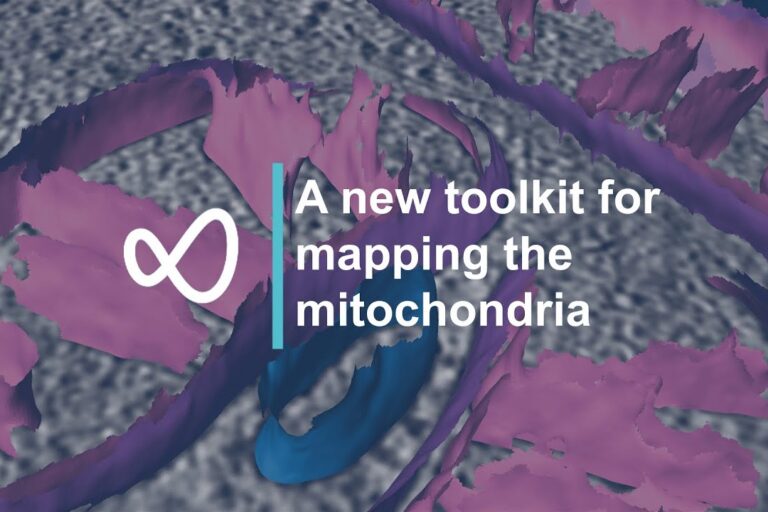
A new toolkit for mapping the mitochondria
An advanced imaging-based method from scientists at Scripps Research offers a new way of studying mitochondria, which are best known as the “powerhouses” of cells. In their report on February 14, 2023, in the Journal of Cell Biology, the scientists described a set of techniques that enables the imaging and quantification of even subtle structural changes inside mitochondria, and the correlation of those changes with other processes ongoing in cells.
-

Understanding biological factories to fuel drug discovery
Every organism depends on its ability to make cellular proteins from the core set of genetic blueprints—a process carried out in the cell by ancient biological factories. However, when this building process goes awry, various types of disease can take hold. In this opening lecture of the sixth season, Scripps Research professor and regular Front Row host Jamie Williamson unveiled his lab’s unprecedented exploration of these protein-building machines and the secrets they hold in maintaining cellular health. His cutting-edge research is evolving our view of molecular engineering and uncovering new drug targets for bacterial infections and cancer.