Video Tag: Autoimmune Diseases
-
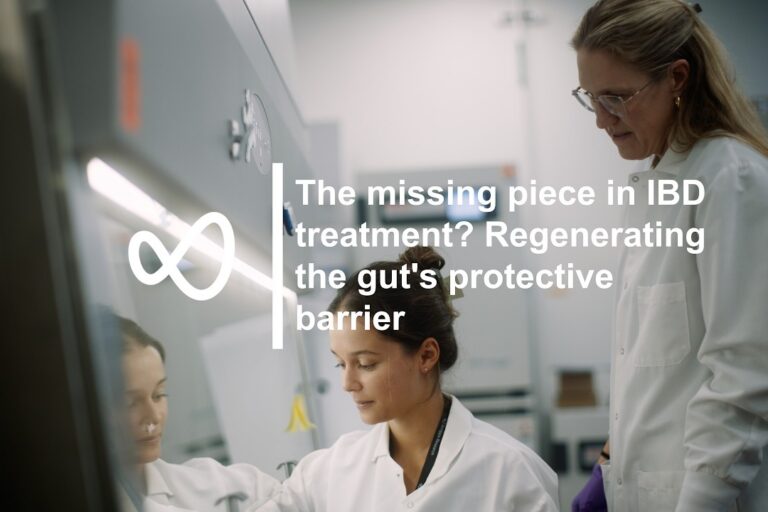
The missing piece in IBD treatment? Regenerating the gut’s protective barrier shows promise
Current therapies for inflammatory bowel disease (IBD) primarily focus on suppressing inflammation. But what if we could repair one of the underlying drivers of disease itself? Researchers at Calibr-Skaggs are developing CLF065, a potential first-in-class regenerative medicine designed to restore epithelial barrier function—the protective intestinal lining that regulates what passes from the gut into the body. CLF065 is designed with a dual mechanism of action: supporting barrier integrity and stimulating regeneration of the gut lining. A Phase 2 clinical trial has recently launched in chronic pouchitis, a painful inflammatory condition that can develop in some people with IBD following surgery. In addition, an Investigational New Drug (IND) application has been submitted to support a Phase 2 trial in Crohn's disease. Learn how regenerative medicine could help shift the treatment paradigm from managing symptoms to repairing the tissue damage at the root of disease.
-
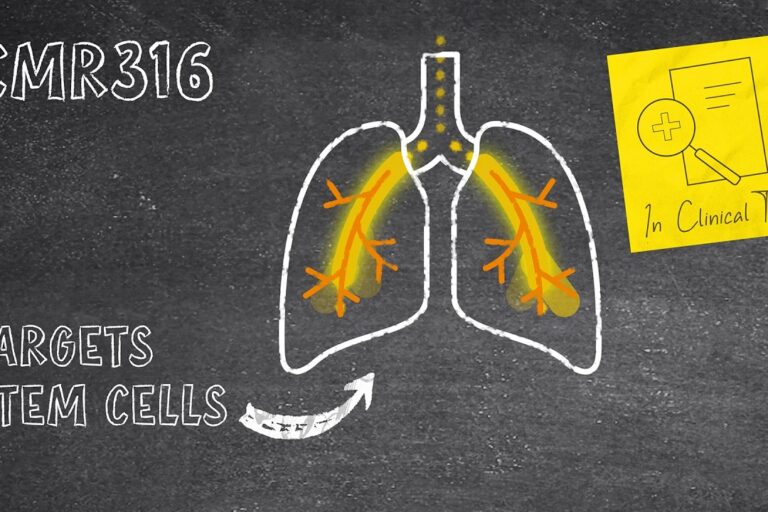
How scientists are trying to repair the body from within: Regenerative medicine and anti-aging
At Scripps Research and its drug discovery arm, the Calibr-Skaggs Institute for Innovative Medicines, scientists are developing regenerative medicine therapies designed to help the body repair itself from within. Unlike traditional medicines that primarily manage symptoms or slow disease progression, regenerative medicine aims to restore damaged tissues and rebuild function lost to aging and disease. Researchers are advancing programs focused on the heart, lungs, digestive tract and eyes, including investigational therapies for heart failure, idiopathic pulmonary fibrosis, inflammatory bowel disease, age-related macular degeneration and other chronic conditions that become more common as we age. Learn how scientists are activating the body’s natural repair mechanisms to explore a future where medicine may not only treat disease, but help reverse its damage.
-
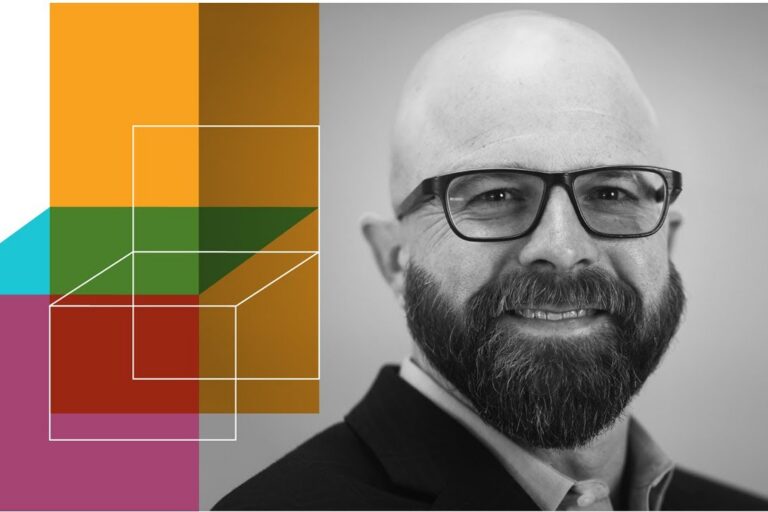
Reprogramming the immune system: Precision immunotherapy for cancer and autoimmune disease
Your immune system is your body’s natural defense, capable of identifying what belongs and what doesn’t. But when it falters, it can let cancer grow unchecked or mistakenly attack your own healthy tissues, leading to autoimmune diseases. What if we could reprogram the immune system to tip the balance in our favor, gaining an advantage over both cancers and autoimmune disorders? In this Front Row lecture, Calibr-Skaggs’ vice president of biologics, Travis Young, shared how Scripps Research is using genetic engineering to reprogram patients’ own immune cells to create personalized “switchable” CAR-T cell therapies. This approach represents a new class of precision immunotherapy designed to induce deep and durable remissions in patients with a wide range of cancers, from lymphoma to breast cancer, as well as in chronic autoimmune conditions such as lupus, rheumatoid arthritis and systemic sclerosis. Young explained how this breakthrough strategy works and what it could mean for the future of medicine.
-
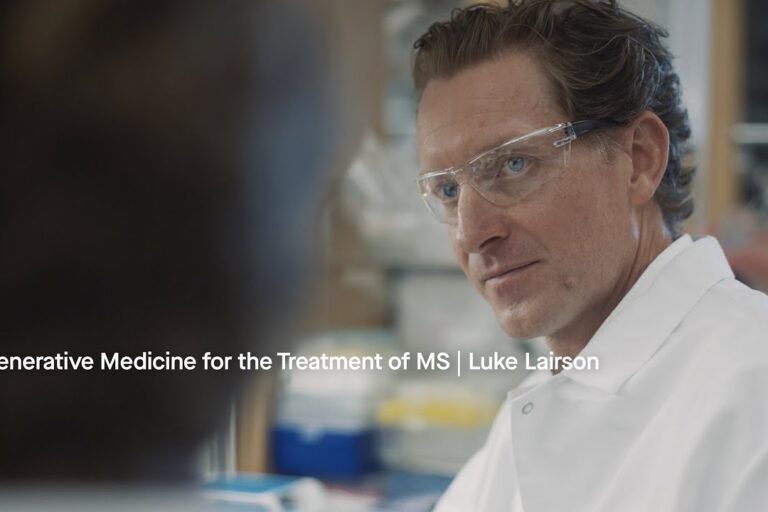
Regenerative medicine for the treatment of MS | Behind the Bench with Luke Lairson
Multiple sclerosis (MS) is a debilitating autoimmune disease that disrupts the central nervous system, causing symptoms like muscle weakness, cognitive challenges and a gradual loss of function that current treatments cannot fully repair. MS arises when the immune system attacks the myelin sheath, the protective layer insulating neurons. Scripps Research chemistry professor Luke Lairson discusses his research on the body’s natural repair pathways—specifically those that activate endogenous stem cells to restore myelin. His work aims to develop therapies that complement existing therapeutic approaches and halt MS progression.
-
Precision immunotherapy: How “switchable” CAR-Ts work in cancer and autoimmune diseases
What if we could control powerful CAR-T cell therapies like flipping a switch? At the Calibr-Skaggs Institute for Innovative Medicines at Scripps Research, we're pioneering a next-generation "switchable" CAR-T (sCAR-T) platform—designed to tackle cancer and autoimmune diseases with greater precision, safety and durability. Traditional CAR-T has been highly successful, but multiple barriers remain: off-target toxicity, T-cell ‘exhaustion’ (weakening of CAR-T cell response over time), and manufacturing challenges restrict the widespread use and application of traditional CAR-T to solid tumors. Our platform features a universal design with antibody-based “switches” that are selective for multiple disease-related targets—increasing specificity while reducing potential off-target effects. Preliminary results from our phase 1 trial in B-cell malignancies are promising, and we're now gearing up to expand into solid tumors and autoimmune conditions. Watch to see how this innovative approach could transform the future of immunotherapy.
-
Can a “switchable” CAR-T reverse autoimmune diseases—without chemotherapy? | Upcoming clinical trial
CAR-T cell therapy has shown remarkable promise in treating autoimmune diseases by effectively “resetting” the immune system—improving patient outcomes and reducing the need for lifelong immunosuppressive drugs. However, traditional CAR-T therapies require lymphodepletion, a chemotherapy-based process that can lead to significant side effects and limit accessibility. At the Calibr-Skaggs Institute for Innovative Medicines at Scripps Research, we're advancing a novel “switchable” CAR-T platform designed to eliminate the need for lymphodepletion. This approach may significantly reduce treatment-related toxicity and broaden the availability of CAR-T therapy to a wider patient population. Our upcoming phase 1 clinical trial will evaluate the safety and efficacy of our switchable CAR-T cell therapy (CLBR001) and antibody switch (SWI019) in patients with myositis, systemic sclerosis, lupus and rheumatoid arthritis—with the potential to expand into additional indications in the future.
-
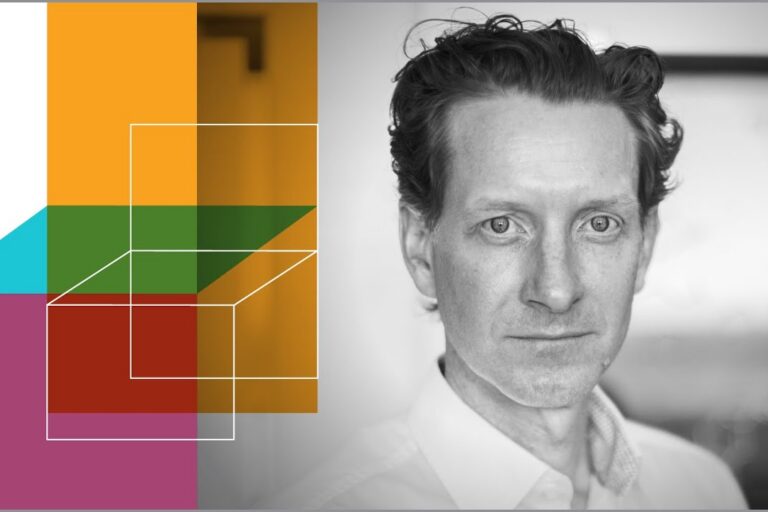
Regenerative medicine for the treatment of MS: Enhancing repair to prevent progression
Multiple sclerosis (MS) is a debilitating autoimmune disease that disrupts the central nervous system, causing symptoms like muscle weakness, cognitive challenges and a gradual loss of function that current treatments cannot fully repair. MS arises when the immune system attacks the myelin sheath, the protective layer insulating neurons. In this Front Row lecture, Scripps Research chemistry professor Luke Lairson discussed his research on the body’s natural repair pathways—specifically those that activate endogenous stem cells to restore myelin. His work aims to develop therapies that complement existing therapeutic approaches and halt MS progression.
-
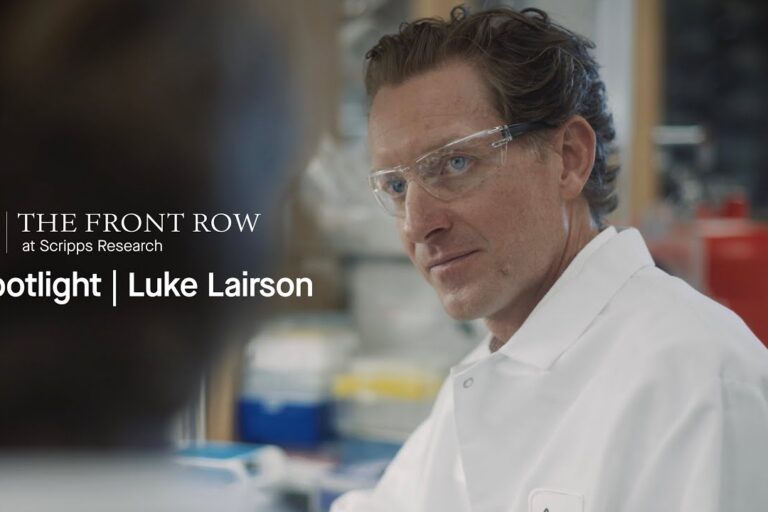
Front Row spotlight with Luke Lairson
Multiple sclerosis (MS) is a debilitating autoimmune disease that disrupts the central nervous system, causing symptoms like muscle weakness, cognitive challenges and a gradual loss of function that current treatments cannot fully repair. MS arises when the immune system attacks the myelin sheath, the protective layer insulating neurons. Scripps Research chemistry professor Luke Lairson will discuss his research on the body’s natural repair pathways—specifically those that activate endogenous stem cells to restore myelin. His work aims to develop therapies that complement existing therapeutic approaches and halt MS progression.