Video Tag: Aging & Healthspan
-
How scientists are trying to repair the body from within: Regenerative medicine and anti-aging
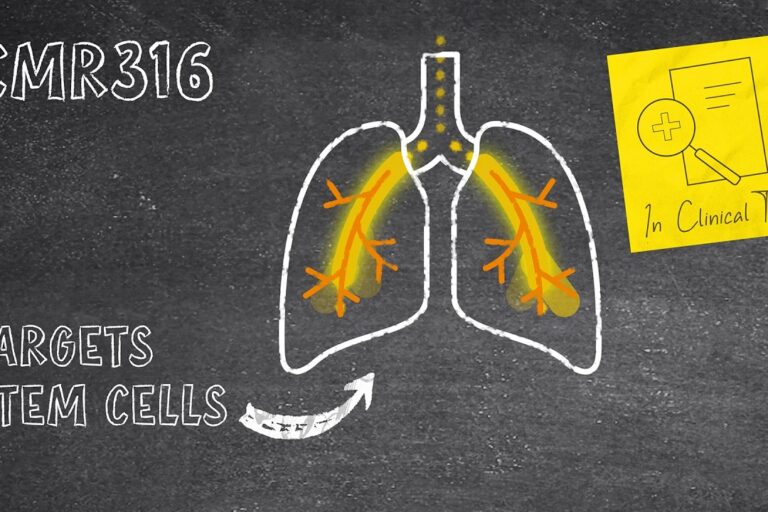
At Scripps Research and its drug discovery arm, the Calibr-Skaggs Institute for Innovative Medicines, scientists are developing regenerative medicine therapies designed to help the body repair itself from within. Unlike traditional medicines that primarily manage symptoms or slow disease progression, regenerative medicine aims to restore damaged tissues and rebuild function lost to aging and disease. Researchers are advancing programs focused on the heart, lungs, digestive tract and eyes, including investigational therapies for heart failure, idiopathic pulmonary fibrosis, inflammatory bowel disease, age-related macular degeneration and other chronic conditions that become more common as we age. Learn how scientists are activating the body’s natural repair mechanisms to explore a future where medicine may not only treat disease, but help reverse its damage.
-

The gut-brain axis: A key to metabolism and longevity
How do our gut and brain communicate with one another, and how do they influence our metabolism, our behavior, and the aging process? Scripps Research neuroscience professor Supriya Srinivasan is dedicated to answering these pressing questions using modern genetic and molecular tools across different experimental systems. In this Front Row lecture, Srinivasan revealed the intricacies of the gut-brain networks that regulate energy regulation and fat metabolism, as well as their impact on lifespan. Discover how her work could lead to new therapies that restore a healthy metabolism and tackle dysregulation.
-
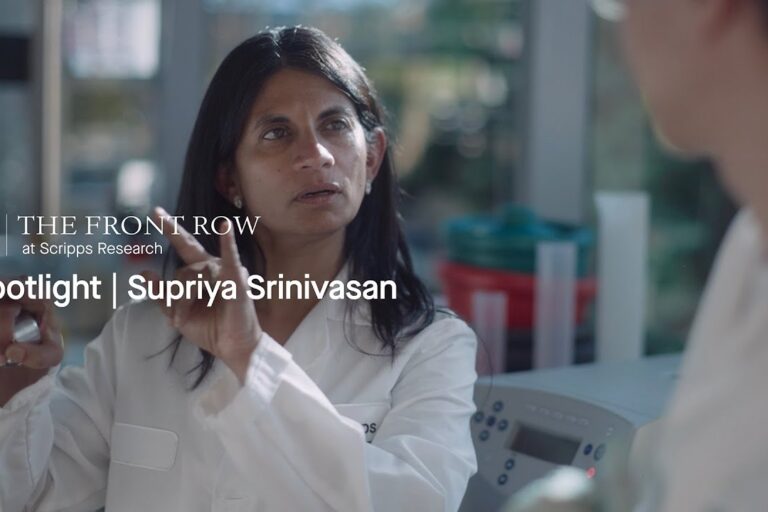
Front Row spotlight with Supriya Srinivasan
How do our gut and brain communicate with one another, and how do they influence our metabolism, our behavior, and the aging process? Scripps Research neuroscience professor Supriya Srinivasan is dedicated to answering these pressing questions using modern genetic and molecular tools across different experimental systems. Srinivasan will reveal the intricacies of the gut-brain networks that regulate energy regulation and fat metabolism, as well as their impact on lifespan. Discover how her work could lead to new therapies that restore a healthy metabolism and tackle dysregulation.
-
Understanding the relationship between sleep and brain health
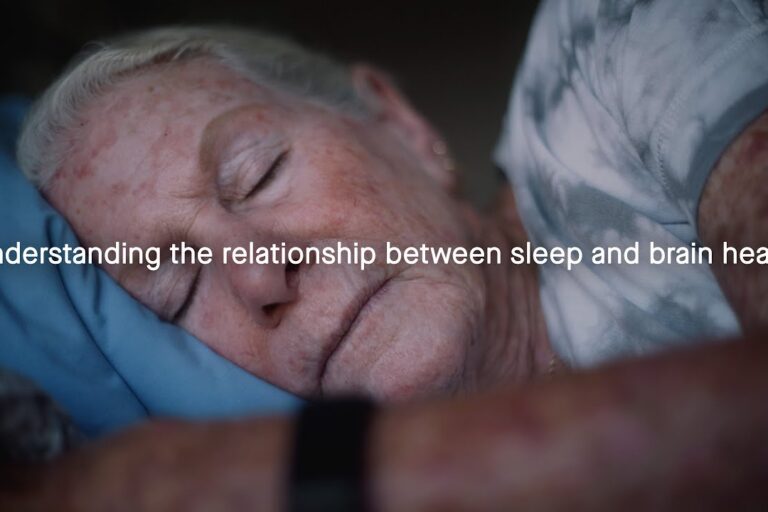
Some neurocognitive diseases, such as Alzheimer’s disease and other dementias, affect more women than men. There are also gaps in our understanding of the impact of sleep on women’s cognitive health. Scientists at the Scripps Research Digital Trials Center have launched the REFRESH- Neurocognitive Outcomes in Women study (REFRESH-NOW), a new research project aimed at better understanding sleep and brain health in women with the help of fitness trackers. REFRESH-NOW, led by Stuti Jaiswal, a physician-scientist specializing in sleep research, will use wrist-worn activity trackers and smartwatches to gather longitudinal data from women who are 55 and older over a three-year period. The goal of the study is to identify sleep-related risk factors, enabling for the development of better interventions.
-
An engine for new medicines: A century of science changing life
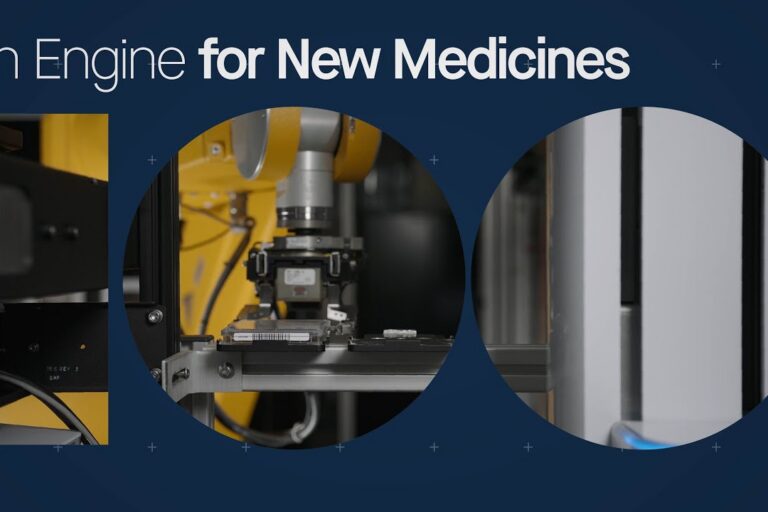
Calibr, a nonprofit research institute founded by Scripps Research President and CEO Pete Schultz, joined Scripps Research in 2018 as its drug discovery division. As a world-class nonprofit “bench to bedside” drug discovery engine, Calibr delivers groundbreaking solutions to unmet medical needs by uniting the creativity of fundamental discovery with highly focused R&D capabilities and expertise.
-
Medicine tailored to you: A century of science changing life
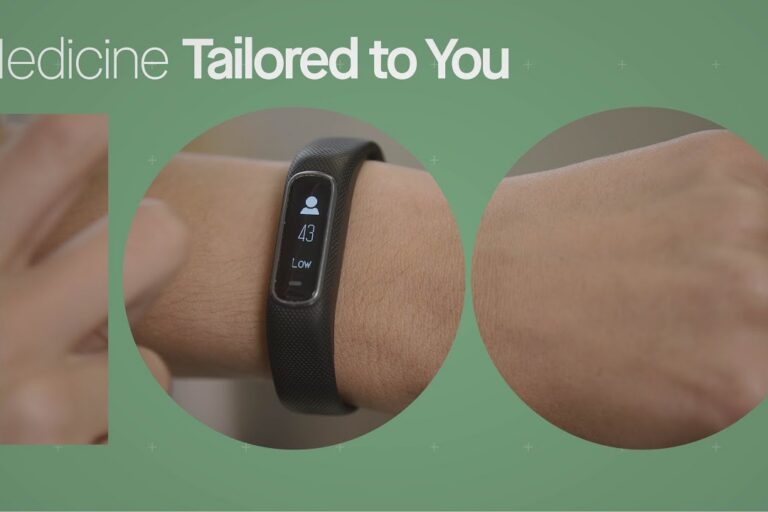
Every patient is unique, and scientists at the Scripps Research Translational Institute (SRTI) believe medicine should reflect this. Physician-scientist Professor Eric Topol founded SRTI in 2007 with a mission to individualize healthcare across the country, leveraging advancements in human genomics, wireless digital technologies, and artificial intelligence. SRTI is made up of leading scientists and clinical investigators who collaborate to understand the specific genetic, behavioral and lifestyle factors that contribute to human health and ultimately help transform them.
-
The link between circadian rhythms and your health: Scripps Research scientist explains
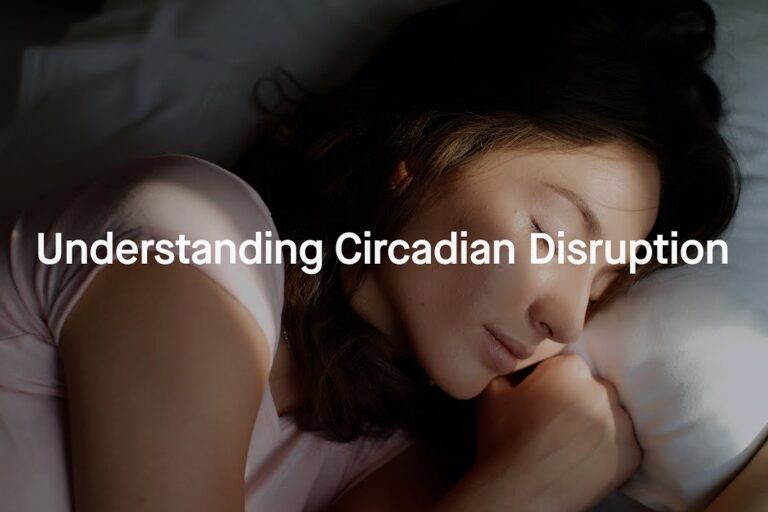
Circadian rhythms are processes that follow a 24-hour cycle, enabling organisms to keep track of the time of day and adjust their physiology to recurring daily changes in the external environment. In this video, Scripps Research associate professor Katja Lamia discusses the molecular processes that occur when circadian rhythms are disrupted, and how it affects human health.