Topic: Digital Medicine
-
Community Corner: A Q&A with digital trial expert Lauren Ariniello
-
Community Corner: A Q&A with digital clinical trials expert Ed Ramos
-

The promise of artificial intelligence for healthcare
-

Futureproof: Eric Topol on revolutionizing pandemic preparedness
In the second part of our conversation with Dr. Eric Topol, we explore how examining the past is necessary to ensure we’re more prepared for our future. From universal vaccines and advanced antiviral therapies to cutting-edge digital tools like wearable biosensors and genomic surveillance, Dr. Topol shares actionable insights on harnessing technology and data to revolutionize pandemic preparedness. Listen in as we discuss the path to a safer, healthier future.
-

Beyond the hype: AI’s impact on medicine and science with Eric Topol
Artificial intelligence is revolutionizing what we once thought impossible. But how can we distinguish genuine breakthroughs from mere hype? In this episode of Science Changing Life, we welcome Eric Topol, MD—renowned physician, scientist, and author. As executive vice president at Scripps Research and founder of the Scripps Research Translational Institute and The Gary and Mary West Chair of Innovative Medicine, Dr. Topol shares his thoughts on how AI is transforming science and medicine today and offers a glimpse into what the future may hold. His advice to listeners? 'Be open to change.'
-
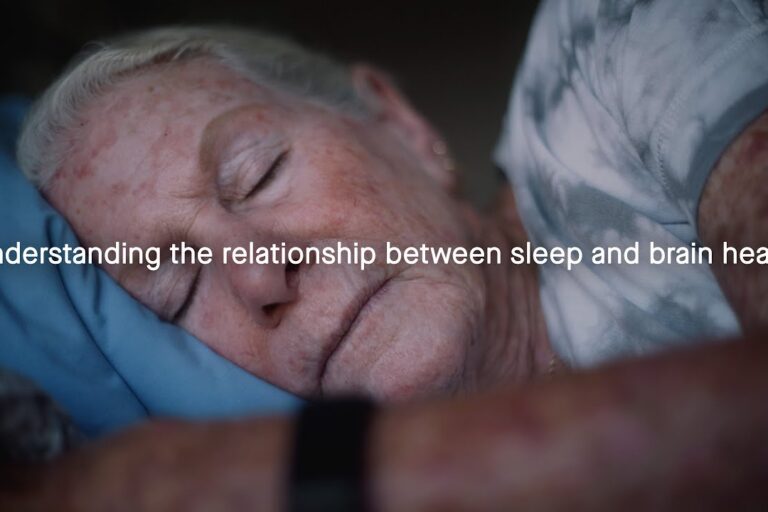
Understanding the relationship between sleep and brain health
Some neurocognitive diseases, such as Alzheimer’s disease and other dementias, affect more women than men. There are also gaps in our understanding of the impact of sleep on women’s cognitive health. Scientists at the Scripps Research Digital Trials Center have launched the REFRESH- Neurocognitive Outcomes in Women study (REFRESH-NOW), a new research project aimed at better understanding sleep and brain health in women with the help of fitness trackers. REFRESH-NOW, led by Stuti Jaiswal, a physician-scientist specializing in sleep research, will use wrist-worn activity trackers and smartwatches to gather longitudinal data from women who are 55 and older over a three-year period. The goal of the study is to identify sleep-related risk factors, enabling for the development of better interventions.
-
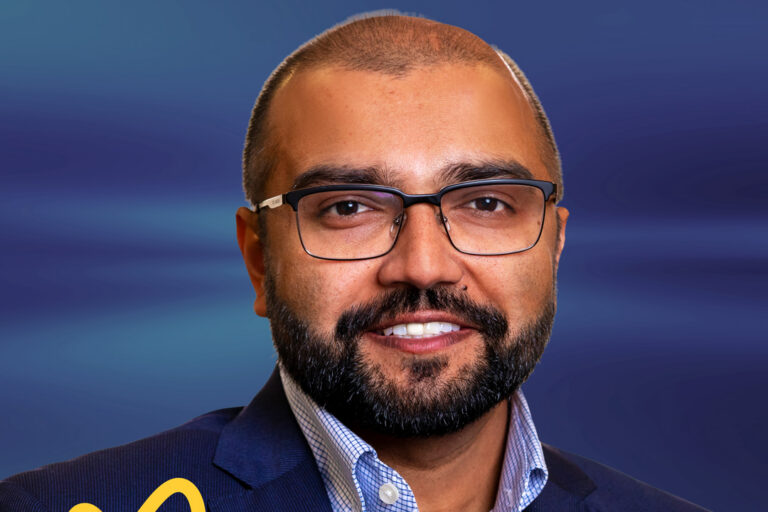
Jay Pandit: How biosensors are enabling a new era in medicine
Dr. Jay Pandit is a senior director of digital medicine at the Scripps Research Translational Institute and an assistant professor in the Department of Translational Medicine at Scripps Research, where he combines medicine and technology to improve patients’ clinical outcomes. Listen in as we explore how biosensors and wearable technologies are enabling users to take control of their own health data and usher in a new era of personalized medicine.
-
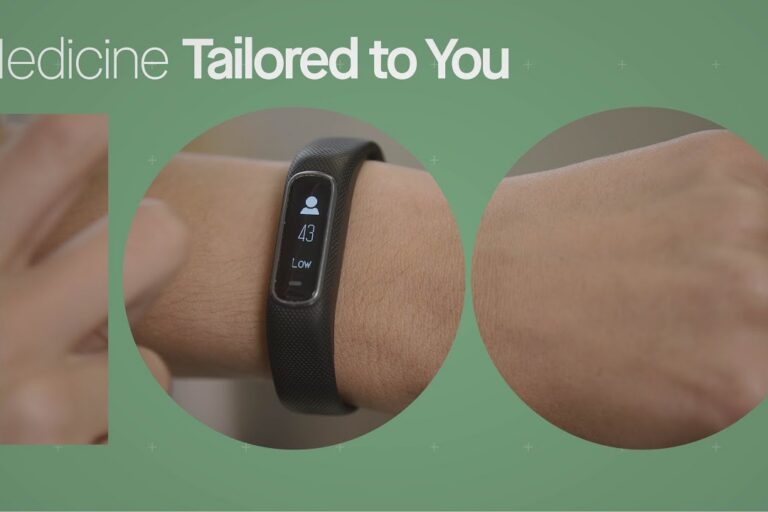
Medicine tailored to you: A century of science changing life
Every patient is unique, and scientists at the Scripps Research Translational Institute (SRTI) believe medicine should reflect this. Physician-scientist Professor Eric Topol founded SRTI in 2007 with a mission to individualize healthcare across the country, leveraging advancements in human genomics, wireless digital technologies, and artificial intelligence. SRTI is made up of leading scientists and clinical investigators who collaborate to understand the specific genetic, behavioral and lifestyle factors that contribute to human health and ultimately help transform them.
-
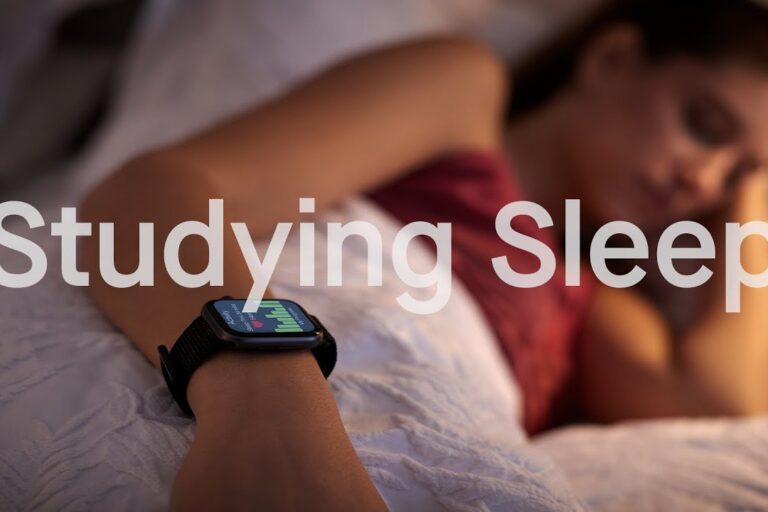
Studying sleep with wearable devices: How technology can help us sleep better
A good night’s sleep is one of the keys to feeling good the next day. But how do we know if we’re getting enough? Assistant Professor Stuti Jaiswal and her colleagues at the Scripps Research Translational Institute and the Digital Trials Center recently launched a study called REFRESH. It uses wearable data to track participants’ sleep. Since participants never have to go to a lab, researchers can see how they sleep over long periods of time, and gain insight into how sleep affects their health. As technology advances, and studies like refresh give researchers a better understanding of sleep, a day could come when everyone has the tools to sleep better.
-

Q&A with a sleep scientist
Assistant Professor Stuti Jaiswal is a physician and sleep scientist. She's using new technology to study sleep patterns of thousands of people remotely. Here, she answers some common questions about sleep, like how many hours do you need? Do naps count? And what can shift workers do to avoid the health risks of poor sleep?