TSRI and STSI Scientists Use ‘Molecular Autopsies’ to Find Clues to Sudden Death
October 11, 2016
LA JOLLA, CA – October 11, 2016 – Sudden death strikes approximately 11,000 people under age 45 in the U.S. every year, leaving living relatives with troubling questions about their own risk. Unfortunately, with many conditions—such as sudden infant death syndrome (SIDS) and sudden cardiac death (SCD)—the cause of death is not always apparent after a traditional clinical autopsy.
Now a new study led by scientists at The Scripps Research Institute (TSRI) and the Scripps Translational Science Institute (STSI) suggests that “molecular autopsies” may be valuable in detecting gene mutations responsible for a sudden death. The research, while preliminary, could help doctors alert living family members to hidden health conditions.
The research, led by Ali Torkamani, assistant professor of Molecular and Experimental Medicine at TSRI and assistant professor and director of Genome Informatics at STSI, was published October 11, 2016, in the Journal of the American Medical Association (JAMA).
“The key takeaway is that molecular autopsy, when performed in a prospective and family-based manner, can reveal the genetic cause of sudden death in a variety of conditions and provide useful information regarding risk to living relatives,” Torkamani said.
For the study, the researchers sequenced samples from 25 sudden death cases. To assess possible inherited mutations, the team also sequenced samples from the deceased patients’ parents in nine of the cases.
This analysis provided clues that weren’t apparent in traditional clinical autopsies. In four cases, the researchers found that a genetic mutation was a “likely” cause of death, and they found six more cases where a mutation was a “plausible” cause of death. In seven cases, a mutation was found to be a “speculative” cause of death.
Overall, molecular autopsies uncovered a likely or plausible cause of death in 40 percent of cases. Interestingly, many of the findings were variants of genes inherited from relatives who had not suffered from the syndrome.
The researchers believe identifying possible genetic mutations behind sudden death could help doctors and family members plan for clinical follow-ups, preventative measures and active surveillance to watch for symptoms—even in cases where the mutation was just a “speculative” cause of death.
The researchers said larger studies are needed to collect enough data to provide living relatives with a better idea of their risk.
In addition to Torkamani, authors of the study, “Molecular Autopsy for Sudden Unexpected Death,” included Eric J. Topol, Evan D. Muse, Emily G. Spencer and Manuel Rueda of TSRI and STSI; and Glenn N. Wagner and Jonathan R. Lucas of the Medical Examiner Department of San Diego County.
The study was supported by a National Institutes of Health and National Center for Advancing Translational Sciences clinical and translational science award (5-UL1-RR025774) and Scripps Genomic Medicine (grants U01HG006476 and U54GM114833).


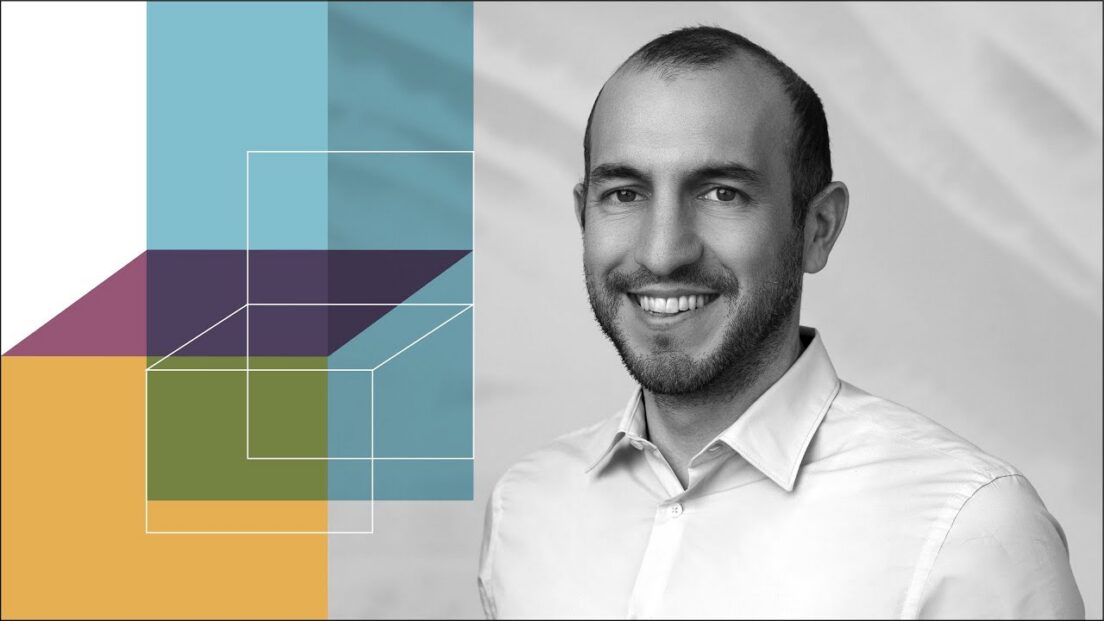
Preventing heart disease with machine learning and smartphone technology
Heart disease is the leading cause of death in the United States, yet our ability to predict and lower our own risk has been limited. In this Front Row lecture, Scripps Research professor Ali Torkamani shared how his team is developing app-based digital tools that can analyze genetic markers and predict someone’s future cardiovascular disease risk. Torkamani’s research is being integrated into remote clinical trials that can provide personalized behavioral and therapeutic interventions to improve long-term health outcomes.
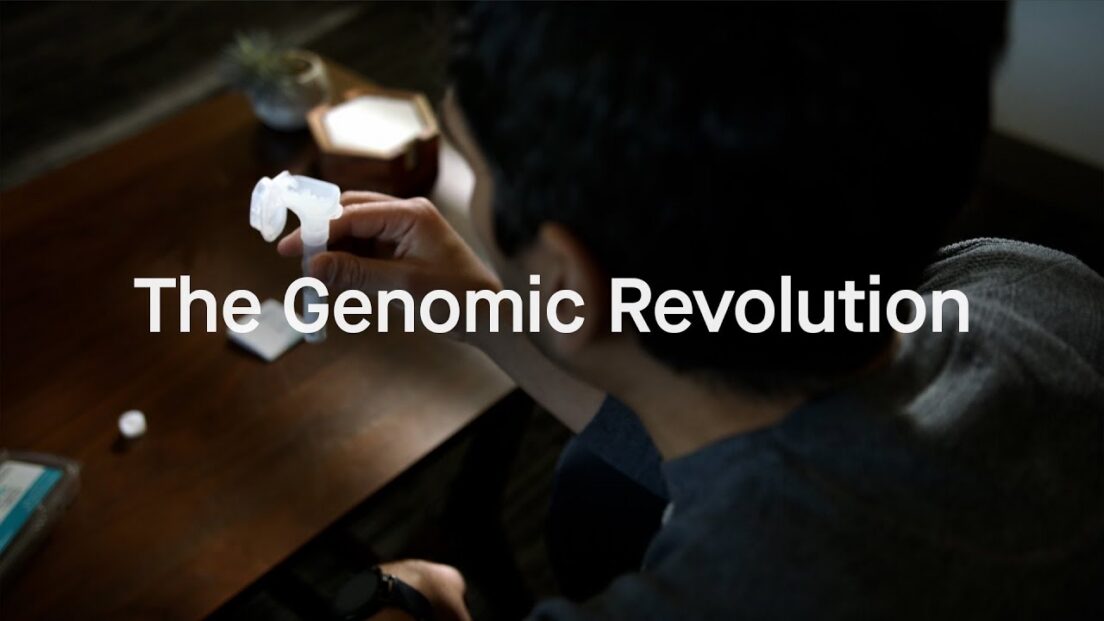
The genomic revolution: Using DNA to predict disease risk and individualize treatment
Your DNA contains an incredible amount of information about every aspect of your being, including your risk of developing certain diseases. But up until recently, it was nearly impossible for doctors to analyze that information for individual patients. Now, with the help of affordable genomic sequencing, artificial intelligence and machine learning, scientists are working towards personalizing medical care. At the Scripps Research Translational Institute, Professor Ali Torkamani is developing ways to predict a person’s risk for rare and common diseases.

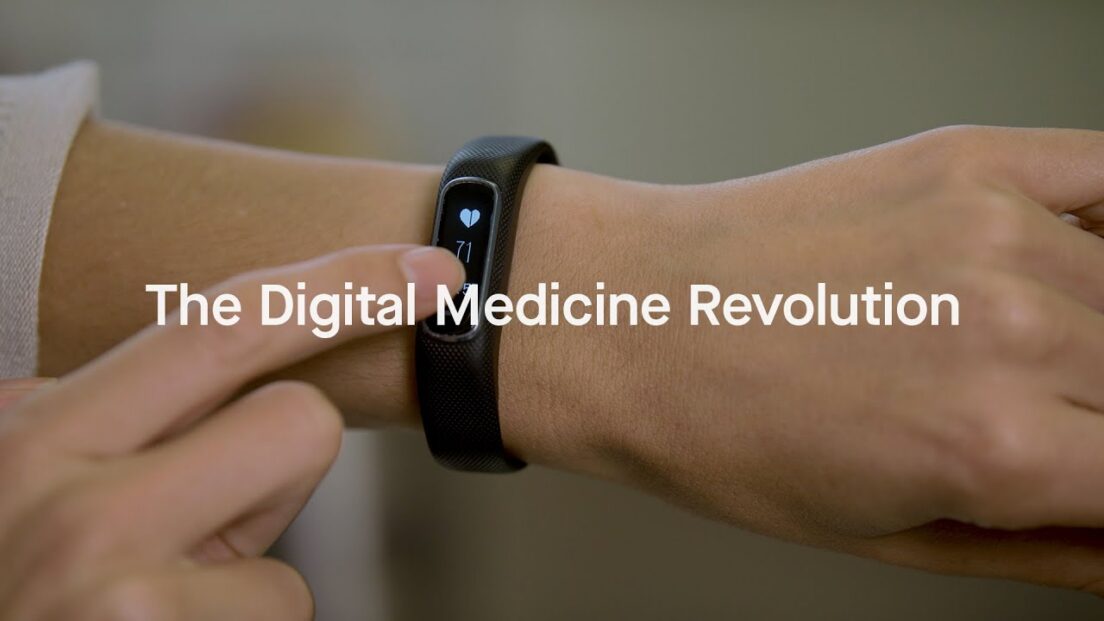
The digital medicine revolution
From smartwatches and fitness bands to glucose monitors and in-home ultrasounds, the proliferation of digital devices is igniting a revolution in healthcare and medical research. Patients can now collect thousands of data points about themselves and share that information with their healthcare providers. At the Scripps Research Translational Institute, researchers are taking advantage of new technology to study disease in novel ways. Their projects include a platform for early detection of disease outbreaks, a sleep quality study, and even a way to predict and individual’s risk of certain disease based on their genetics. In this video, hear directly from the team about this exciting new frontier.
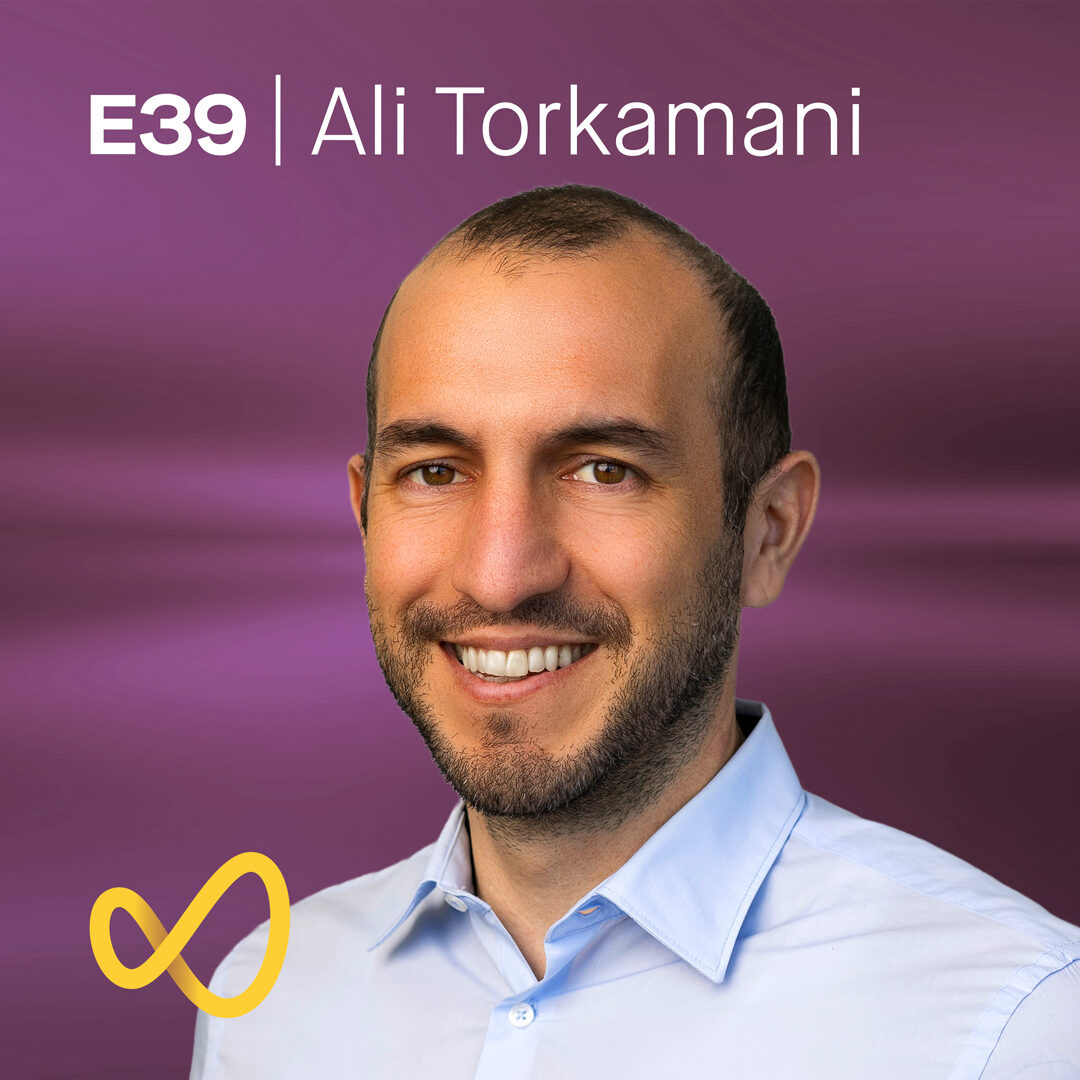
Ali Torkamani: Preventing heart disease with personalized genetic testing
Professor Ali Torkamani is the Director of Genome Informatics at the Scripps Research Translational Institute, where his team mines population-level genetic data to make predictions about future disease risk. Listen in as we discuss smartphone apps that could help predict the risk of a heart attack, the addition of genetic data to biosensors of the future and the use of video games as an introduction to data science.
