News Category: Press Release
-
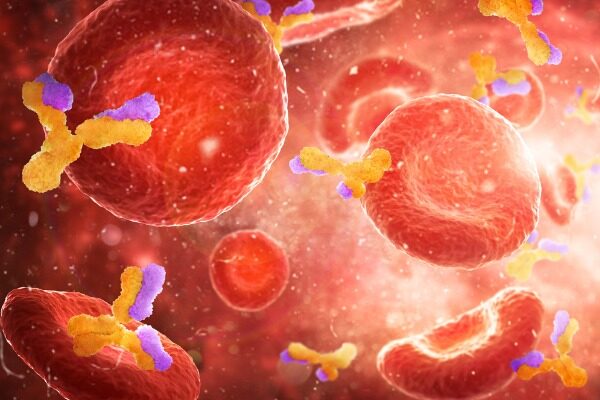
COVID-19 survivors needed for Scripps Research antibody study
Antibodies that are circulating in the blood of patients who’ve recovered from COVID-19 may serve as the key to developing an effective vaccine against the virus.
-

Scripps Research invites public to join app-based DETECT study, leveraging wearable data to potentially flag onset of viral illnesses
The study seeks to evaluate shared data from wearable users as part of a program to improve detection and containment of infectious disease outbreaks.
-
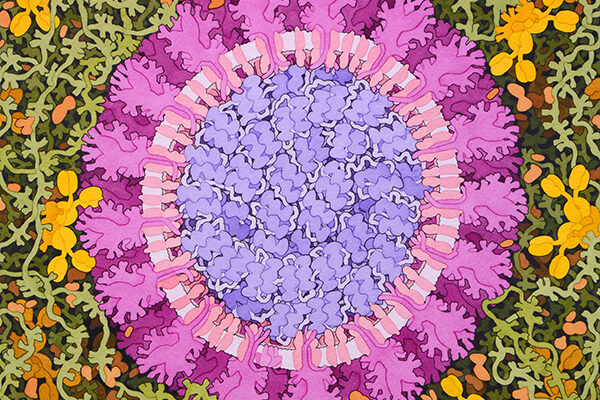
Scripps Research scientists tackle COVID-19 coronavirus pandemic from many angles
Ongoing studies reveal important information about how the virus spreads and infects the body, and point to different approaches for potential vaccines and medicines.
-

Scripps Research scientists leveraging ReFRAME drug repurposing collection against COVID-19 coronavirus epidemic
Calibr scientists work to repurpose existing drugs against novel coronavirus.
-
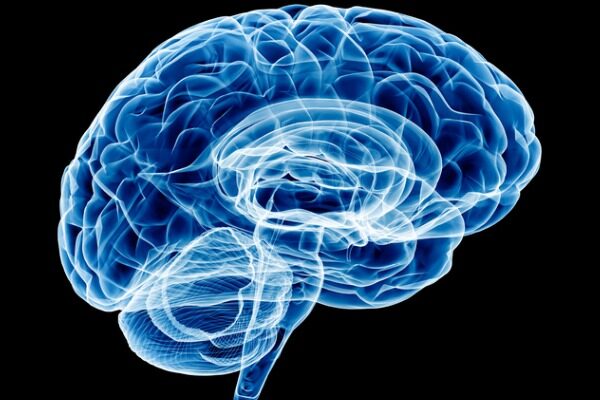
Study of brain chemical known as ‘substance P’ reveals potential mechanism for treating alcohol use disorder
Deep within the brain, alcohol dependence creates a hypersensitivity to stress that lasts long after drinking has stopped.
-

What if all bioscience knowledge was stored in one universally accessible place?
Putting all the world’s life sciece knowledge into a single open-access repository would turbo-charge bioscience research, says a team of bioinformatics experts led by scientists at Scripps Research.
-

The COVID-19 coronavirus epidemic has a natural origin, scientists say
By analyzing public genome sequence data from the virus that causes COVID-19, the research team found no evidence that the pathogen was made in a laboratory or otherwise engineered.
-
20200310-covid19-scripps-research
-
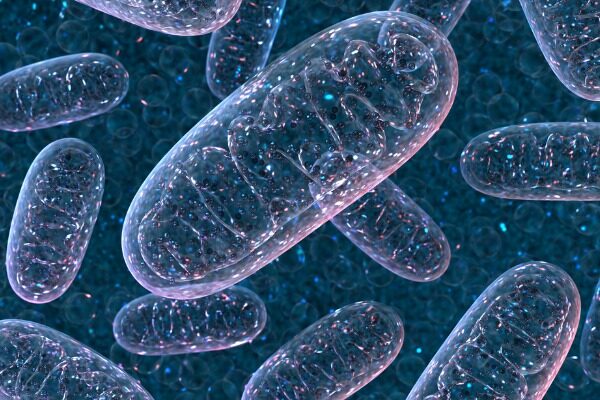
Mysterious ‘mutational freedom’ in mitochondrial molecule may have been a key adaptation in animal evolution
Molecules needed for energy production in cells apparently underwent a radical change during early animal evolution so they could continue to function despite a relatively high mutation rate.
-
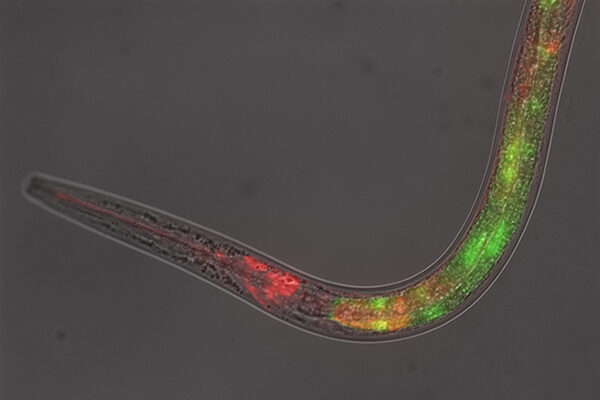
Insulin signaling suppressed by decoys, scientists find
The discovery of an insulin “decoy” molecule from the lab of Matthew Gill, PhD, in Florida shakes up understanding of insulin signaling, with implications for diabetes, longevity and aging research.