News Category: Press Release
-
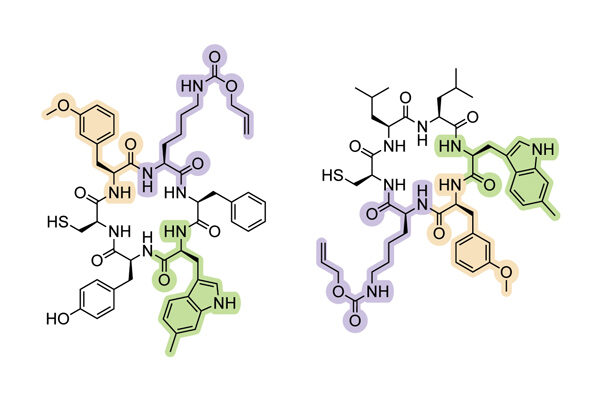
Scripps Research scientists expand the genetic alphabet to create new proteins
The novel method uses sets of four RNA nucleotides—rather than the natural three—to encode new, synthetic building blocks into proteins.
-
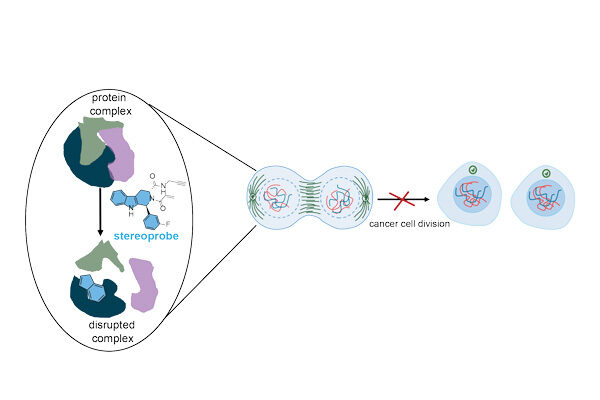
New way to potentially slow cancer growth
Using a combination of two protein-mapping methods, Scripps Research scientists uncover novel proteins that could be targeted by future cancer drugs.
-
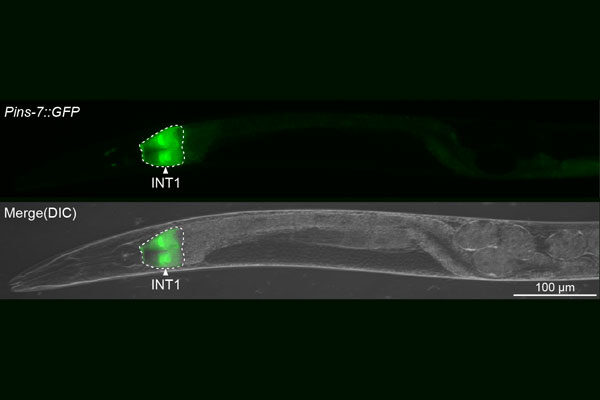
Gut molecule slows fat burning during fasting
Scripps Research scientists discovered a molecule produced by roundworm intestines that signals the brain to slow fat loss when food is not available.
-
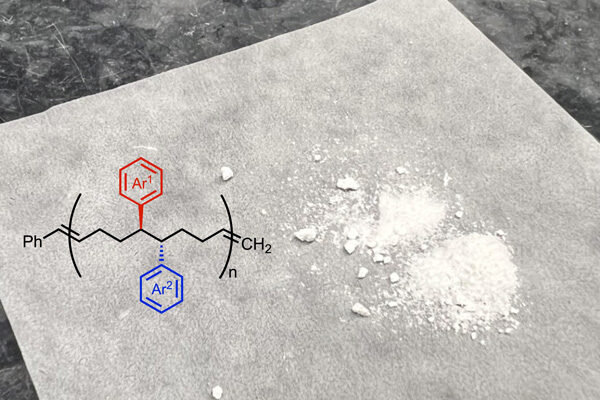
Scripps Research chemists develop new sustainable reaction for creating unique molecular building blocks
The building blocks can be used to create polymers with previously unexplored structures and fine-tunable properties, with applications across energy storage and more.
-
New AI tool simplifies heart monitoring: Fewer leads, same accuracy
Scripps Research scientists showed that, with help from an AI tool, cardiologists can diagnose heart attacks using a simpler, easier and more accessible electrocardiogram technology.
-

Timing matters: Scripps Research study shows ways to improve health alerts
Wearable health sensors are a powerful tool in disease detection and in stemming the spread of infections.
-

Scripps Research neuroscientist Li Ye named an HHMI Investigator
This honor from the Howard Hughes Medical Institute recognizes Ye’s “whole-body” approach to studying the how the brain functions in healthy versus diseased states.
-

New sleep study aims to understand cognitive decline in women
Scripps Research launches digital trial to identify sleep-related risk factors for Alzheimer’s disease and other dementias using activity trackers.
-
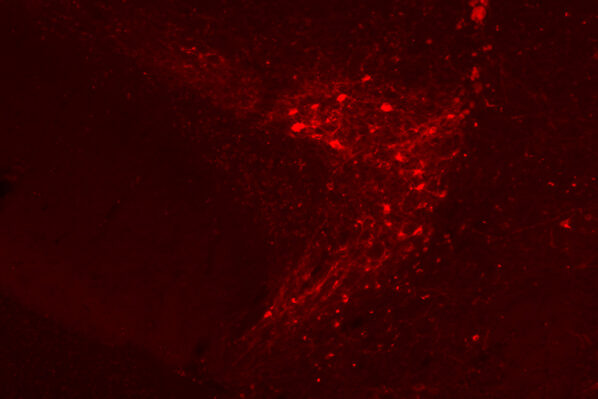
Researchers pinpoint brain cells that delay first bite of food
A set of neurons identified by Scripps Research scientists influence the start of eating and drinking.
-
Researchers identify brain region involved in oxycodone relapse
Study by Scripps Research scientists suggests future therapies for opioid and alcohol addiction.