News Category: Press Release
-
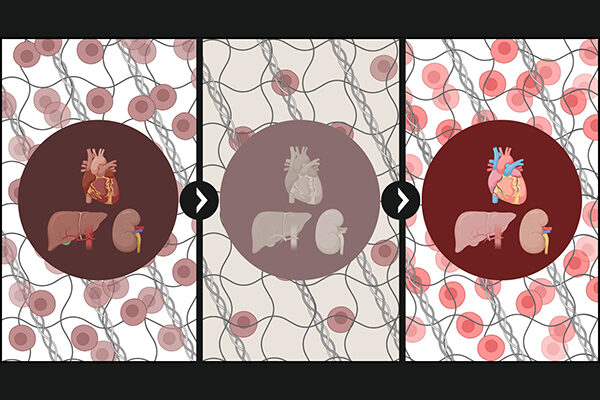
Scripps Research advances breakthrough regenerative medicines to reverse aging-related diseases
Scientists at Scripps Research and its drug discovery arm, Calibr-Skaggs, develop first-in-class small molecules to repair damaged tissues of the heart, lungs, joints, and more.
-
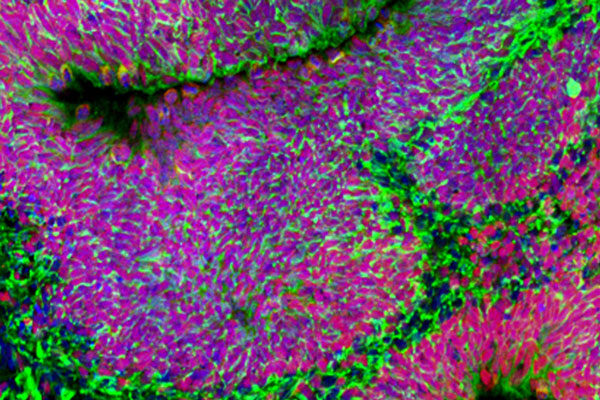
“Human mini-brains” reveal autism biology and potential treatments
By creating personalized brain “organoids” in the lab, Scripps Research scientists showed how microRNAs impact brain development, and demonstrate how one drug can reverse critical cellular signs of autism.
-
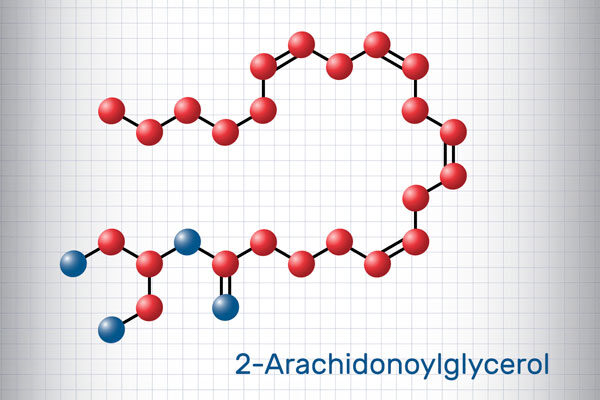
For heavy drinkers, chronic pain associated with alcohol withdrawal could be permanent
Scripps Research scientists show that alcohol withdrawal causes long-lasting sensitivity to mechanical stimuli in heavy drinkers, and identify a drug target that could help.
-
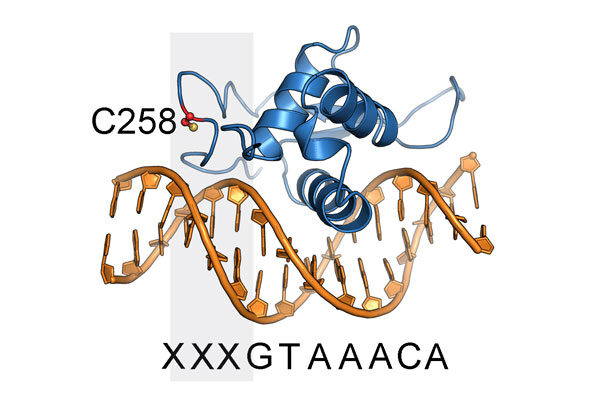
Scripps Research scientists discover chemical probes for previously “undruggable” cancer target
Scientists uncover how small molecules interact with a cancer-related protein called FOXA1 and identify a crucial binding site on its surface.
-

CIRM awards more than $28 million to Scripps Research faculty members
The two distinct awards will support collaborative research projects into pollution’s impact on autism as well as risk genes in psychiatric disorders.
-

NIH awards two Scripps Research fellows more than $1 million each for their high-risk, high-impact work
Fellows Shannon Miller and Megan Ken have both received NIH Director’s Awards from the NIH Common Fund’s High-Risk, High-Reward Research program.
-
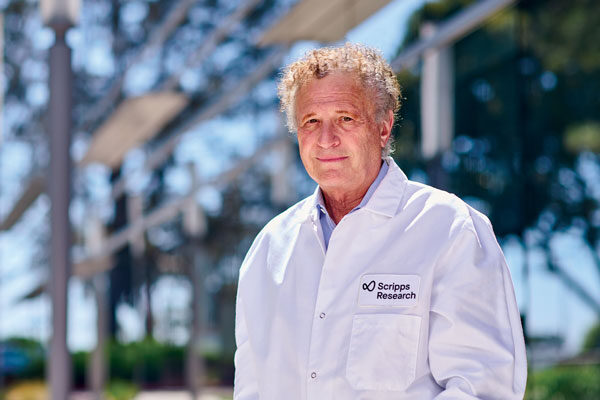
Professor Stuart Lipton awarded $5 million to study the chemical biology of air pollution on the human brain
The grant from the NIA/NIH will support research into how air pollution could lead to the development of Alzheimer’s disease.
-
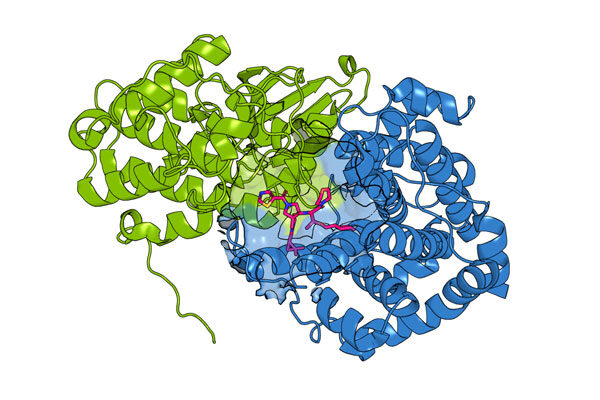
Seeing double: Designing drugs that target “twin” cancer proteins
Scripps Research scientists used knowledge about a protein to characterize drugs that selectively bind to its “twin,” or paralog.
-
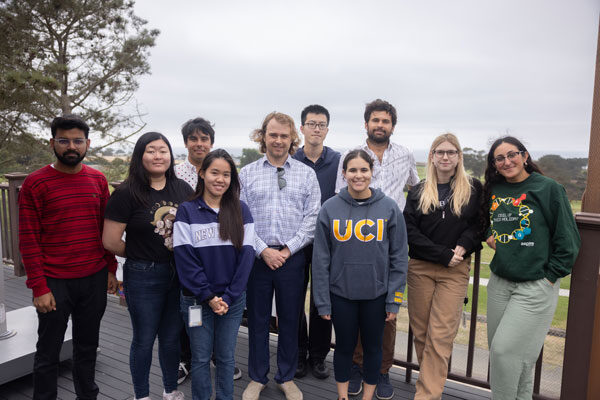
Scripps Research scientist Ilia Droujinine receives over $3 million to reveal the body’s interorgan networks
The awards from the NIDDK and the LLHF will let Droujinine uncover how interorgan communication goes awry in metabolic disease and aging, paving the way for new treatments.
-
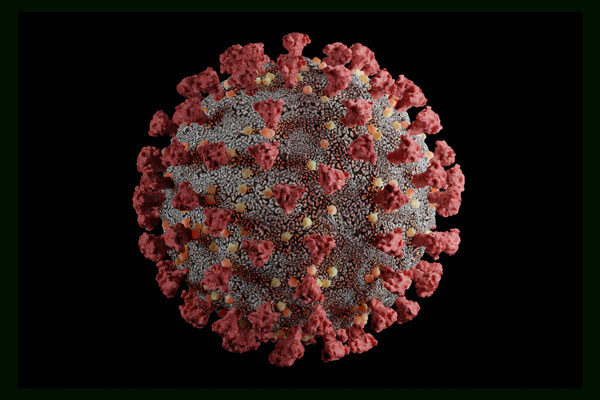
Genetic tracing at the Huanan Seafood market further supports COVID animal origins
An international collaboration between Scripps Research, University of Arizona, CNRS and others provides additional analysis of how the pandemic began.