News Category: Press Release
-
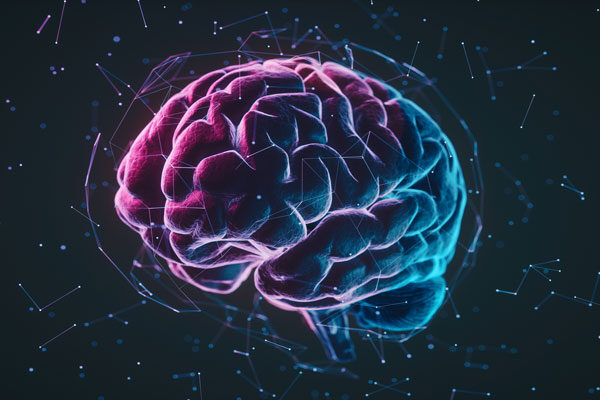
Researchers find brain region that fuels compulsive drinking
Study by Scripps Research scientists shows how the brain learns to seek alcohol for relief, not just pleasurable effects, in an animal model.
-

Wearable devices could revolutionize pregnancy monitoring and detect abnormalities
Scripps Research study shows how smartwatch and fitness tracker data align with hormonal changes, offering the potential for early detection of complications.
-
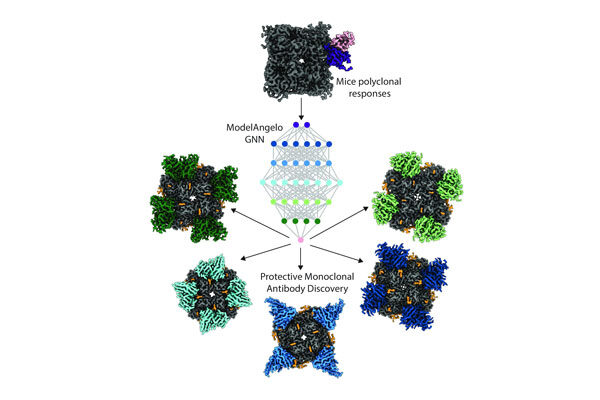
AI model helps boost pandemic preparedness
Scripps Research breakthrough reduces antibody discovery time from weeks to hours, potentially revolutionizing pandemic response and therapeutic development.
-
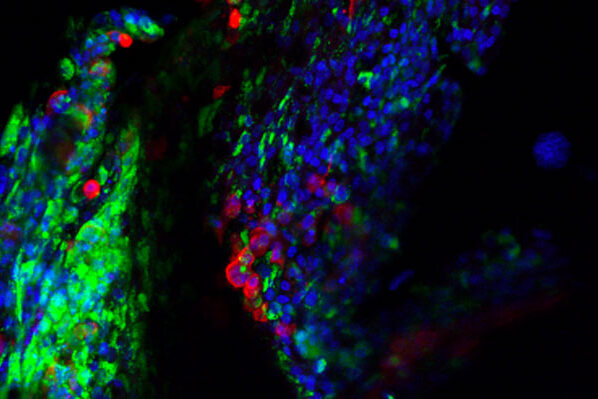
Researchers map key human proteins that power coronavirus replication, pointing to new treatment strategies
Findings from Scripps Research reveal promising drug targets with potential to block coronaviruses at multiple stages of infection—even across different strains.
-

Researchers identify promising new compound to treat tuberculosis
Study led by Scripps Research, Texas A&M and additional institutions highlights that the world’s deadliest infectious disease needs novel, effective antibiotics.
-
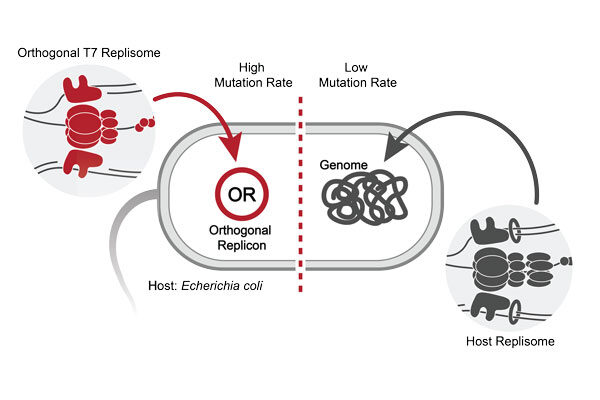
Scientists build an “evolution engine” to rapidly reprogram proteins
A new platform developed at Scripps Research enables fast, scalable protein evolution—opening the door to new therapies and diagnostics, and to predicting resistance mutations across many disease areas.
-
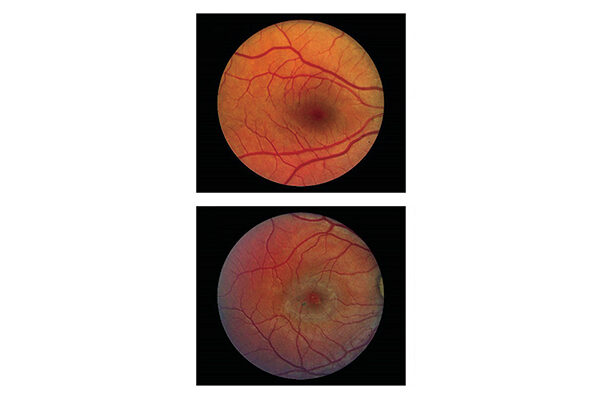
Study confirms long-term benefit of implant for blinding eye disease
Phase 3 trial results from Scripps Research and collaborators helped support FDA approval of ENCELTO, the first cell-based therapy for a neurodegenerative retinal condition called MacTel.
-

AI model detects hidden diabetes risk by reading glucose spikes
Scripps Research scientists reveal how wearable sensors and artificial intelligence could transform the way we detect and manage pre-diabetes.
-

Scripps Research awarded $1.7 million by NIH to advance biomedical data integration and AI-powered discovery
The grant from the National Center for Advancing Translational Sciences (NCATS) supports the ongoing development of the Biomedical Data Translator—an open-source resource to accelerate human health insights.
-
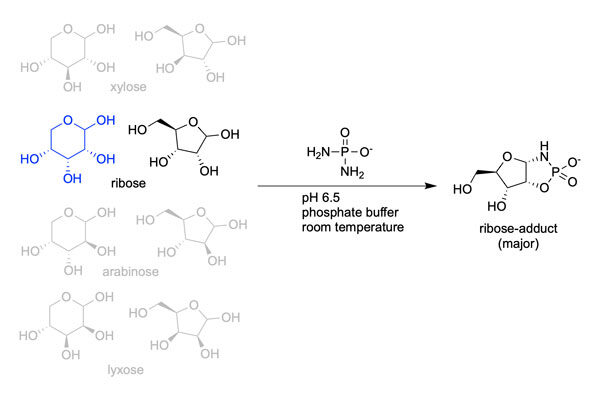
Where did RNA come from?
Origin-of-life scientists from Scripps Research reveal how the sugar ribose may have been selected as one of life’s building blocks.