




Diabetes, Obesity & Metabolic Disorders

Diabetes, Obesity & Metabolic Disorders

Scripps Research was founded in 1924 as a metabolic clinic, and that original mission still drives us today: we strive to understand how the body manages energy, as well as how that balance breaks down in disease.

Overview

More than 37 million Americans live with diabetes, and nearly one in three are obese, yet the biological complexity underlying these conditions means that treatments that work for one person often fail another.

With expertise spanning chemistry, genomics, neuroscience, immunology and digital medicine, Scripps Research scientists are approaching the disease from multiple perspectives, ranging from studying individual molecules to uncovering entire organ networks.

For more information on our diabetes, obesity and metabolic disorder research programs, please contact us.

News

AI model detects hidden diabetes risk by reading glucose spikes

Scripps Research scientists reveal how wearable sensors and artificial intelligence could transform the way we detect and manage pre-diabetes.

Read the Story
PROGRESS research app.
The incidence of metabolic diseases is increasing around the world. What we’re trying to do is use chemical tools to discover new mechanisms to treat them and improve human health.
Enrique Saez, PhD Professor of Molecular & Cellular Biology
News, Events & Media
Masters of metabolism
Magazine

Masters of metabolism

As it turns out, our metabolisms have been misunderstood for decades. These Scripps Research scientists are changing the way we think about metabolic disorders, weight control and eating habits—paving the way for new drugs to treat some of the most serious health conditions our world faces today.

scripps research science changing life podcast episode 44
Podcast

Jay Pandit: How biosensors are enabling a new era in medicine

Dr. Jay Pandit is a senior director of digital medicine at the Scripps Research Translational Institute and an assistant professor in the Department of Translational Medicine at Scripps Research, where he combines medicine and technology to improve patients’ clinical outcomes. Listen in as we explore how biosensors and wearable technologies are enabling users to take control of their own health data and usher in a new era of personalized medicine.

Scripps Research scientists eavesdrop on communication between fat and brain
News

Scripps Research scientists eavesdrop on communication between fat and brain

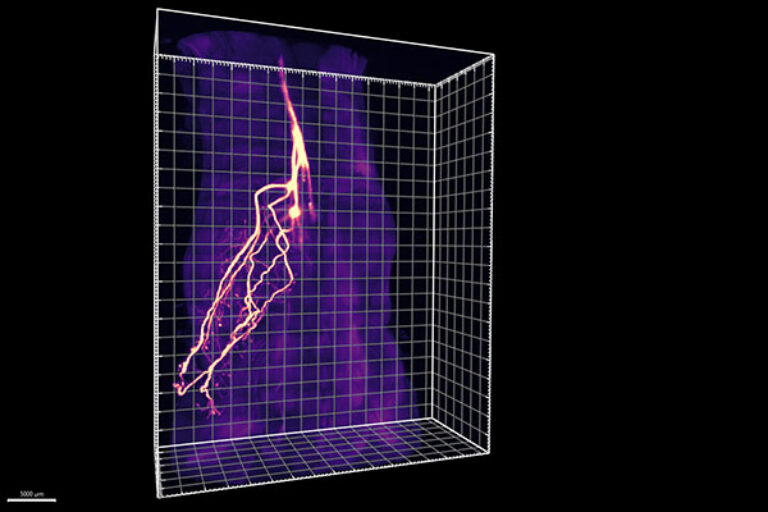
Newly discovered sensory neurons send messages from fat tissue to the brain and could eventually be co-opted to treat obesity or metabolic disease.

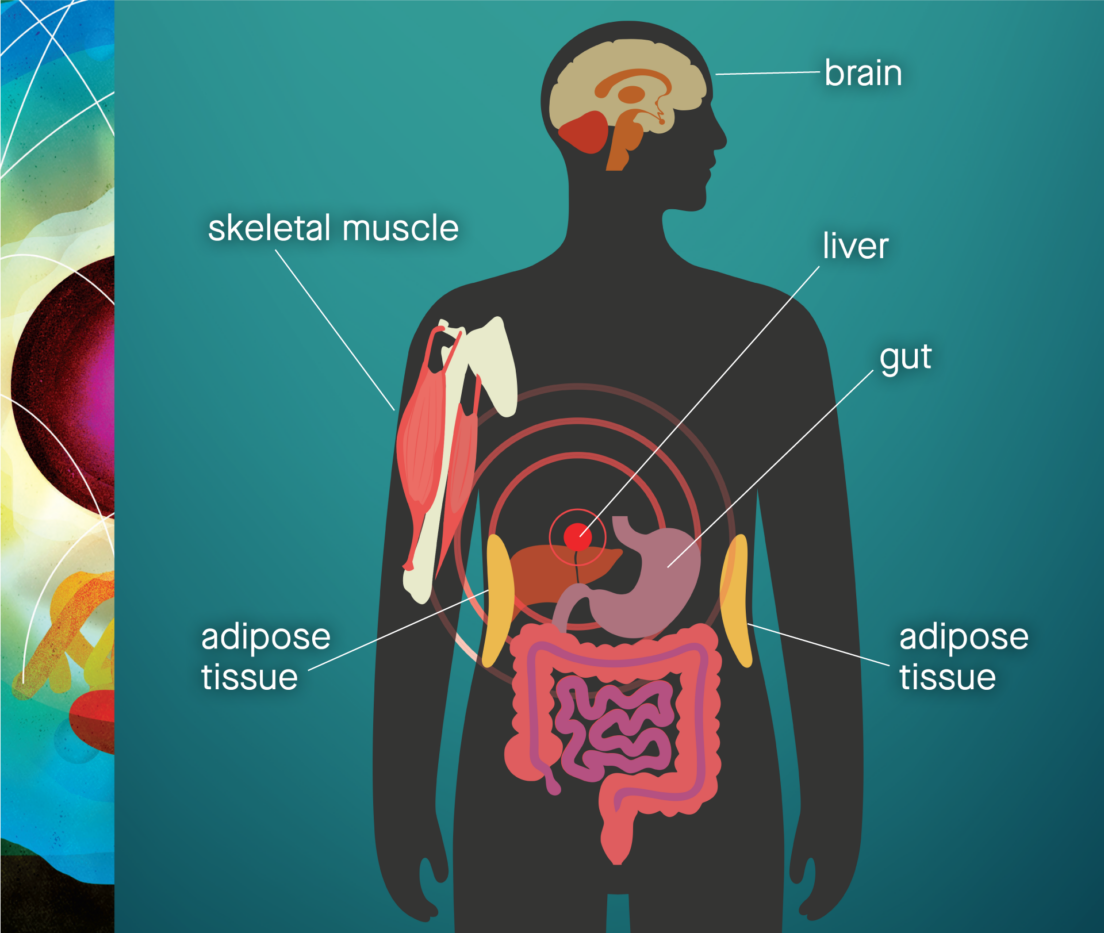
A look inside the body’s engine
Magazine

A look inside the body’s engine

Our metabolism is made up of all the chemical processes that convert the calories we eat and drink into energy that can be used by the body.

Drug Discovery

From Discoveries to Therapies

We are translating laboratory breakthroughs into medical advances, pursuing metabolic disorder research across interconnected fronts—from foundational discoveries about how cells process nutrients to clinical-stage tools that detect risk before symptoms arise.

Type 2 Diabetes and Insulin Resistance

New therapeutic approaches in development aim to restore healthy glucose regulation by targeting the cellular stress pathways that break down under the pressure of obesity. Rather than managing blood sugar after the fact, these programs seek to intervene in the underlying biology—protecting the liver, preserving insulin-producing cells in the pancreas and restoring the body’s natural metabolic balance. The goal is to move beyond symptom control toward therapies that address the root causes of type 2 diabetes.

 

Type 1 Diabetes and Immunology

Scientists are working to understand how and why the immune system turns against the body’s own insulin-producing cells, as well as how to intervene before that damage becomes irreversible. Research programs are illuminating the earliest stages of type 1 diabetes, including the long preclinical window before blood sugar becomes abnormal, opening the door to prevention strategies that have not previously been possible. By drawing on Scripps Research’s foundational strength in immunology, these efforts are charting a path toward therapies that protect beta cell function from the outset.

Obesity and Energy Balance

Calibr-Skaggs is advancing CMZ371, a dual agonist drug designed to modulate key pathways regulating appetite and energy balance. Several other candidates in the Calibr-Skaggs pipeline aim to influence eating behavior and metabolic control, offering new strategies for safe and effective weight loss. These agents engage central nervous system and peripheral metabolic pathways that coordinate satiety, energy homeostasis and reward-driven aspects of eating, with the goal of improving outcomes for individuals living with obesity.

Patient Impact

A Century of Metabolic Medicine: From Insulin to AI

Scripps Research exists because of metabolic disease. In 1924, philanthropist Ellen Browning Scripps founded the Scripps Metabolic Clinic in La Jolla after watching multiple family members die from diabetes. She believed that investing in science would change medicine, not just for her family, but for the world.

A century later, her vision has been vindicated many times over. The mission that began with insulin is still alive and rapidly accelerating.


Magazine

Scripps Research at 100

Scripps Research scientists have spent a remarkable 100 years pushing the boundaries of biomedical innovation. Now, as it celebrates its centennial year, Scripps Research is building upon its exceptional past to expand its global impact. The institute is empowering world-renowned scientists to pursue groundbreaking ideas for the most pressing problems in human health: cancer, heart disease, deadly pathogens, neurological diseases and much more.

Read Article
Scripps Research at 100
Groundbreaking Science.
Life-changing Medicine.