Addiction

Addiction

Addiction reshapes brain circuits that control reward, stress and decision-making. Our scientists study these changes to translate discoveries into new ways to prevent substance use disorders, reduce cravings and support recovery.

Overview

Addiction is a chronic, relapsing disorder that can drive compulsive substance use despite harmful consequences. In 2024, an estimated 48.5 million people aged 12 or older in the U.S. had a substance use disorder, and about 80% of those who needed treatment didn’t receive it, according to the National Survey on Drug Use and Health. 

At Scripps Research, scientists study addiction biology from molecules to behavior. This work helps reveal why relapse occurs, how withdrawal affects the brain and which molecular targets might lead to safer, more effective treatments—including novel vaccines and biologics that could block dangerous drugs before they reach the brain. 

For more information on our addiction research programs, please contact us. 
News

A repurposed anti-inflammatory drug may help treat alcohol use disorder and related pain

Scripps Research scientists find that apremilast, an FDA-approved anti-inflammatory drug, reduced both drinking and pain sensitivity in preclinical models of alcohol use disorder.

Read the Story
A repurposed anti-inflammatory drug may help treat alcohol use disorder and related pain
Vaccines provide many benefits over other forms of treatment for fentanyl addiction…[They] don’t require daily compliance with a medicine, are inexpensive to manufacture and can reduce the risk of overdose.
Kim Janda, PhD Professor of Chemistry
News, Events & Media
scripps research science changing life podcast episode 55
Podcast

Wired for risk: Cindy Ehlers on the science of addiction and mental health

Depression and alcohol dependence are often seen as personal struggles—but decades of study by Scripps Research professor Cindy Ehlers reveal a much bigger picture. In this episode of Science Changing Life, Ehlers breaks down how biology, culture and trauma interact to shape mental health outcomes. Learn how her work is paving the way for more effective interventions, and how new strategies—like culturally grounded prevention programs and digital tools—can reduce harm in high-risk communities.

Fentanyl makeover: Core structural redesign could lead to safer pain medications
News

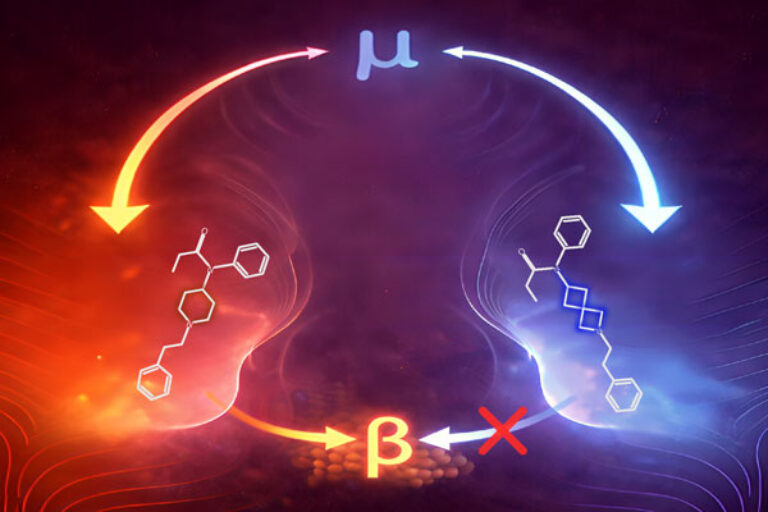
Fentanyl makeover: Core structural redesign could lead to safer pain medications

Modified molecule shows diminished respiratory depression—the leading cause of opioid overdose deaths—while retaining full pain-blocking capability.

In the Media

Understanding addiction relapse with Scripps Research 

FOX 5 San Diego

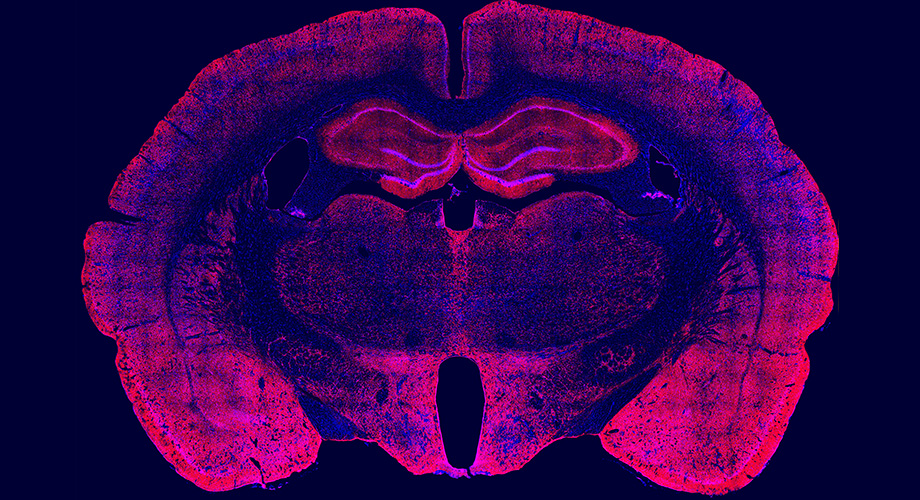
Researchers identify brain region involved in oxycodone relapse
News

Researchers identify brain region involved in oxycodone relapse

Study by Scripps Research scientists suggests future therapies for opioid and alcohol addiction.

Video

Deciphering how stress plays a role in addiction Front Row lecture with Marisa Roberto, PhD

An estimated 14.5 million people in the U.S. have alcohol use disorder, which encompasses a range of unhealthy drinking behaviors. In her Front Row lecture, Scripps Research’s Marisa Roberto shares her cutting-edge work deciphering how stress and neuroimmune mechanisms play a role in addiction and how recent discoveries are paving the way to new treatments. Using innovative, multidisciplinary research techniques, Roberto is revealing novel therapeutic targets and approaches to help people heal from alcohol use disorder

Study uncovers disrupted brain balance in alcohol dependence
News

Study uncovers disrupted brain balance in alcohol dependence

Experiments show how dependence on alcohol rewires the brain's "go" and "stop drinking" signaling systems, with implications for preventing relapse.

Drug Discovery

From Discoveries to Therapies

Scripps Research pursues multiple strategies to address addiction: mapping the brain circuits that drive compulsive substance use, understanding the biological factors that influence vulnerability, investigating how stress and pain contribute to relapse, and developing biologic therapies designed to reduce overdose risk.

Brain Circuits and Behavior

Our scientists map the neural circuits that become altered during addiction. By studying how specific brain regions change during drug exposure, withdrawal and relapse, we uncover the circuitry that underlies compulsive substance use.

Genetics and Vulnerability

Scientists at Scripps Research are investigating why some individuals are more vulnerable to substance use disorders than others. By studying genetic variation and biological traits that influence risk, researchers aim to understand how susceptibility to addiction develops and why responses to substances can differ widely between individuals.

Stress, Pain and Relapse Biology

Addiction is closely intertwined with the body’s stress and pain systems. Our scientists study how stress hormones, inflammatory signals and chronic pain interact with reward pathways to increase vulnerability to substance use. Understanding these connections may guide new strategies to support recovery and prevent relapse.

Vaccines and Biologic Therapies

We’re pursuing biologic strategies that block drugs before they reach the brain. Vaccines and antibody-based therapies can bind to substances such as opioids or synthetic drugs in the bloodstream, decreasing their ability to trigger dangerous effects. These approaches may help protect people at risk of overdose.


Patient Impact

Putting patients at the center of progress

News

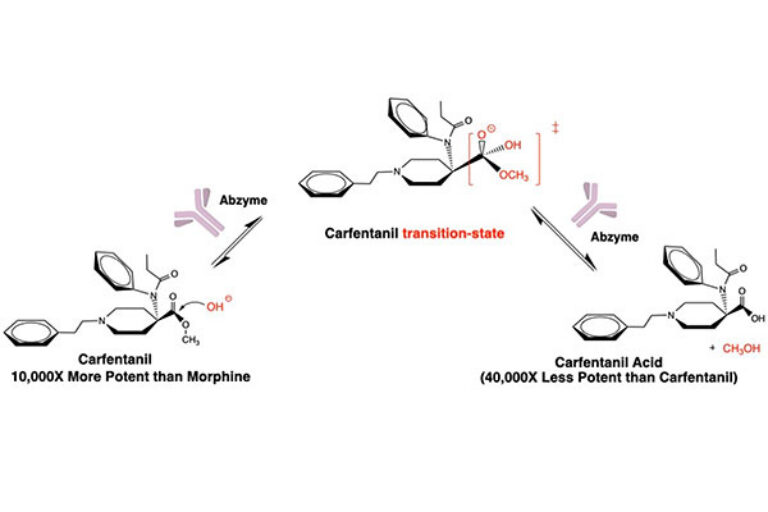
Therapeutic can seek and destroy potent opioid to treat overdoses

Scripps Research chemists developed a new biologic to work against the synthetic opioid carfentanil, which is 100 times more potent than fentanyl.

Read the Story
Therapeutic can seek and destroy potent opioid to treat overdoses
Groundbreaking Science.
Life-changing Medicine.