Jeanne Loring, PhD
Professor Emeritus
Department of Translational Medicine
Research Focus
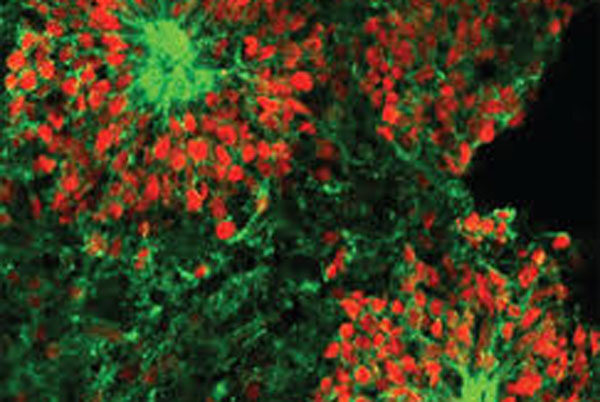
We focus on human pluripotent stem cells, the remarkable cultured cells that can become every cell type in the human body. Most of our research is on induced pluripotent stem cells (iPSCs) , which we make from cells cultured from skin biopsies. Since these stem cells are pluripotent, we as scientists need to be "pluripotent" too. We have a diverse group of stem cell research projects, ranging from the molecular (genomics and epigenetics) to the clinical (cell therapies). Genomics and Epigenetics On one end of the spectrum, we study the genomics and epigenetics of iPSCs, the fascinating symphony of changes in the DNA landscape as cells differentiate into beating heart cells or functioning nerve cells. These studies give us never-before-available access into the complex processes that occur during human embryonic development, and hints about the embryonic origins of mental illness. We are focusing on Fragile X syndrome, an inherited form of autism. Parkinson's disease cell replacement therapy On the other end of the spectrum, we are moving toward using iPSCs to treat Parkinson's disease (PD). This is a cell replacement therapy, in which cells are to be transplanted into the part of the brain that requires dopamine to function properly. Working with our clinical partner, Dr. Melissa Houser, who is Director of the Movement Disorder Center at Scripps Clinic, we have made iPSC lines from 8 Parkinson's patients, and have turned 3 of the lines so far into bona fide dopamine neurons, the cell type that dies during progression of the disease. We have confirmed that the cells function by studying their electrical activity (with colleague Pietro Sanna) and by reversing PD-like symptoms in a rat model of the disease. Multiple sclerosis therapy development Another of our clinical paths is for treatment of multiple sclerosis (MS). We recently discovered a cell type derived from human pluripotent stem cells that reverses the clinical symptoms in a mouse model of MS. This program is not as advanced as the PD program, but we are following a path to developing a clinically relevant treatment. Autism We are using iPSCs from patients with Fragile X syndrome, an inherited form of autism, to understand the disease and identify drugs that might be used to treat it. This project uses high throughput screening, the technique used by pharmaceutical companies to find drugs. Pharmacogenomics Drugs often work differently in different people. A drug that works in African Americans, for example, might be toxic to people with a different genetic ancestry. We are generating an ethnically diverse bank of iPSCs that we plan to provide to pharmaceutical drug developers so they may be able to predict the effects of a drug in different populations before testing it in people. The Stem Cell Zoo Some highly endangered species will inevitably become extinct in our lifetimes if we do not take extraordinary measures to save them. One of these approaches is to make iPSCs from endangered animals, like the Northern White Rhino, a species that has only 7 animals left. Working with the San Diego Zoo's Conservation Research Institute, we are generating iPSCs from endangered species, in the hope that someday these cells can be used to repopulate the species.
News, Events & Media