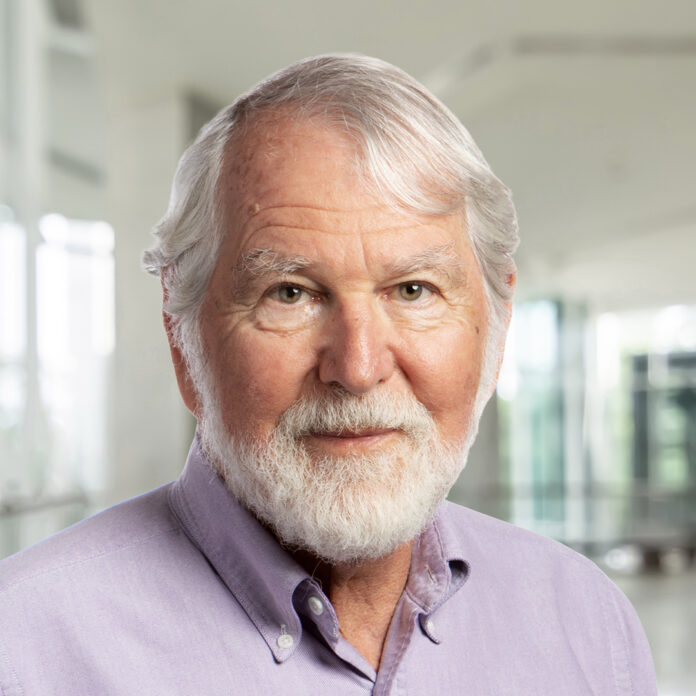
Joel Buxbaum, MD
Professor Emeritus
Department of Immunology and Microbiology
Research Focus
Molecular Basis of Acquired and Hereditary Human Disease. In the human amyloidoses, soluble proteins, synthesized and secreted from the cell, become insoluble in tissues with resultant organ compromise. The serum protein transthyretin is the precursor to the deposited protein in late-onset hereditary and acquired forms of neurologic, heart and kidney amyloidosis. We have established a disease model by creating a strain of mice carrying the human gene. In humans, amyloid deposition requires many years for initiation and progression. In our transgenic mice, by two years of age, a majority develop age-dependent deposition of the human protein in the heart and/or kidneys, a delay consistent with the late onset seen in humans. Prior to the appearance of Congophilic fibrils, the animals display less structured deposits that appear to be precursors to the amyloid fibrils. Analysis of this apparent in vivo folding intermediate should provide insight into the pathologic process responsible for the human disease. Our studies are designed to determine why deposition is age-dependent and what factors modulate the changes in protein conformation from the non-fibrillar to the fibrillar state.
News, Events & Media