
Video Tag: Vaccines
-
An immunity boost: A century of science changing life
In 1961, pioneering immunologist Frank Dixon established the Department of Experimental Pathology at the Scripps Clinic and Research Foundation, which would later become the basis of Scripps Research. Dixon served as director for 25 years, where his immunological focus would forever shape the institute’s scientific focus—as well as the world’s. Since Dixon’s leadership, scientists at Scripps Research have made countless discoveries revealing how the immune system functions and responds to different diseases. From designing universal vaccines for harmful viruses to uncovering the structures of deadly microbes, we're dedicated to translating our understanding of the immune system to eradicate disease worldwide.
-
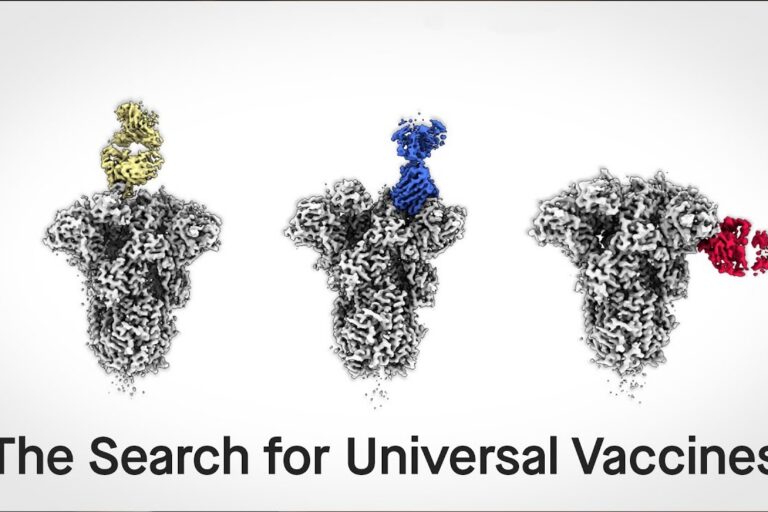
The search for universal vaccines
Scientists at Scripps Research are working to develop universal vaccines capable of neutralizing many variants of a given virus. In recent years, they've made significant progress toward creating universal vaccines for influenza, HIV and coronavirus. In this series, we hear from top scientists in the field about the effort to develop universal vaccines, and the impact these elusive immunizations could have on the world.
-
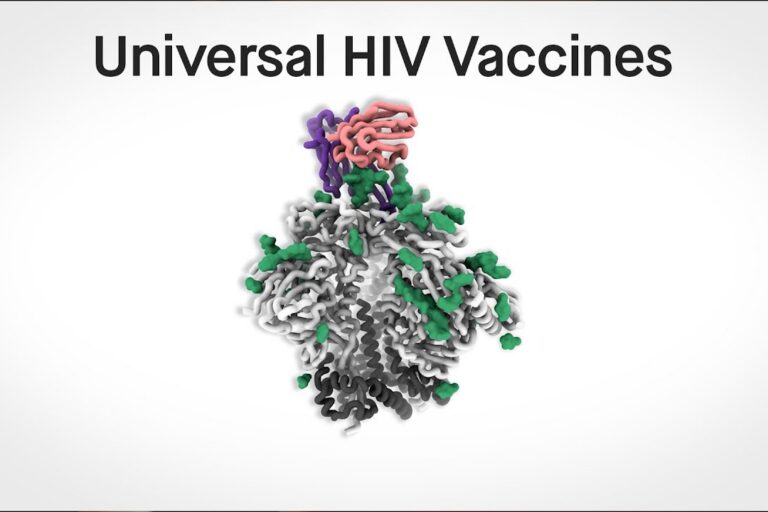
The search for universal HIV vaccines
Scientists at Scripps Research are working to develop universal vaccines capable of neutralizing many variants of a given virus. In recent years, they have made significant progress toward creating universal vaccines for influenza, HIV and coronavirus. In the third installment of our universal vaccine series, we hear from top scientists in the field about the latest developments in the effort to create universal vaccines for HIV, and the impact these elusive immunizations could have on the world. Professor William Schief and his team are focused on developing an effective HIV vaccine using a novel strategy: eliciting broadly neutralizing antibodies (bnAbs). bnAbs are a rare type of antibody that can fight and protect against many different variants of a virus. Researchers have long struggled to identify and induce the appropriate bnAbs for HIV vaccination, but Schief’s lab—in collaboration with many others at Scripps Research—is applying a variety of computation-guided and structure-based design techniques to overcome these historic hurdles.