Video Tag: Translational Medicine
-
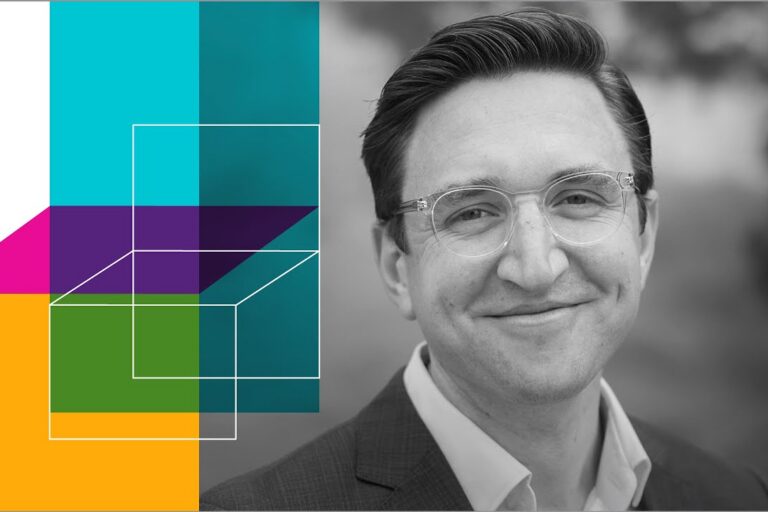
Regenerating tissues to treat disease
Regenerative medicine involves harnessing the body’s own capacity to repair tissues and organs. In this Front Row lecture, Associate Professor Michael Bollong shared how he's identifying and targeting the pathways controlling regeneration. By combining traditional drug discovery tools with modern biological techniques, Bollong and his lab are developing novel medicines that can intervene in the processes that cause a spectrum of human diseases and medical conditions, including heart disease, inflammatory disease and fibrosis.
-
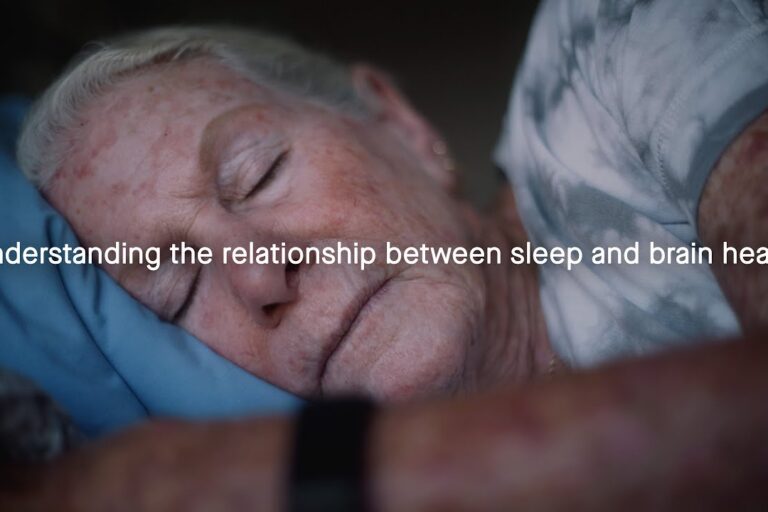
Understanding the relationship between sleep and brain health
Some neurocognitive diseases, such as Alzheimer’s disease and other dementias, affect more women than men. There are also gaps in our understanding of the impact of sleep on women’s cognitive health. Scientists at the Scripps Research Digital Trials Center have launched the REFRESH- Neurocognitive Outcomes in Women study (REFRESH-NOW), a new research project aimed at better understanding sleep and brain health in women with the help of fitness trackers. REFRESH-NOW, led by Stuti Jaiswal, a physician-scientist specializing in sleep research, will use wrist-worn activity trackers and smartwatches to gather longitudinal data from women who are 55 and older over a three-year period. The goal of the study is to identify sleep-related risk factors, enabling for the development of better interventions.
-

Q&A with a sleep scientist
Assistant Professor Stuti Jaiswal is a physician and sleep scientist. She's using new technology to study sleep patterns of thousands of people remotely. Here, she answers some common questions about sleep, like how many hours do you need? Do naps count? And what can shift workers do to avoid the health risks of poor sleep?