Video Tag: Infectious Diseases
-
How scientists are preparing for a possible H5N1 pandemic
Scientists are looking for ways to prepare for the next viral pandemic. One virus in particular, the H5N1 flu virus, has the potential to be deadly and devastating, but there are ways we can prepare by focusing on efforts around surveillance, diagnostics, antivirals and vaccines.
-

Decoding viruses for vaccine innovation
Viruses use specialized proteins to infect human cells, and understanding their structure is key to creating more effective vaccines and antiviral therapies. In this Front Row lecture, Scripps Research professor Andrew Ward delved into his pioneering work on mapping these proteins with cutting-edge imaging techniques. Ward’s research provides critical insights into viral neutralization mechanisms, paving the way for advancements in vaccine development against pathogens like HIV, influenza, coronaviruses and much more.
-
Scientists identify mutation that could facilitate H5N1 “bird flu” transmission in humans
A recent Science study reveals that a single mutation in the H5N1 “bird flu” virus could enhance the virus’ ability to attach to human cells. Led by Scripps Research scientists Ian Wilson and James Paulson, the study highlights the need to monitor H5N1’s evolution.
-

Delivering medicines for a global population
Infectious diseases like tuberculosis and malaria pose an ever-increasing risk to communities around the world. Meanwhile, a lack of investment, long treatment protocols and drug resistance have stymied innovation in this area. In this Front Row lecture, Vice President of Medicinal Chemistry Arnab Chatterjee discussed how the Calibr-Skaggs Institute of Innovative Medicines—the drug discovery and development arm of Scripps Research—is using innovative new approaches and technologies to overcome these historic barriers. His work at the Calibr-Skaggs Institute is helping accelerate the delivery of safe, effective and accessible medicines to countries spanning the globe.
-
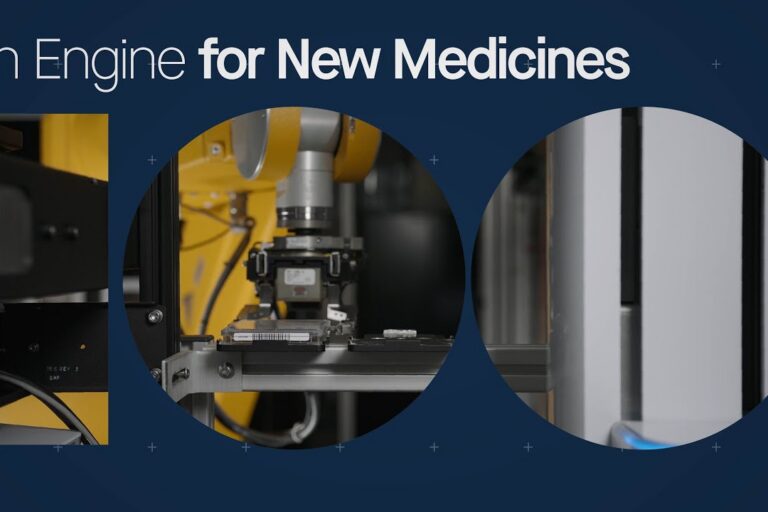
An engine for new medicines: A century of science changing life
Calibr, a nonprofit research institute founded by Scripps Research President and CEO Pete Schultz, joined Scripps Research in 2018 as its drug discovery division. As a world-class nonprofit “bench to bedside” drug discovery engine, Calibr delivers groundbreaking solutions to unmet medical needs by uniting the creativity of fundamental discovery with highly focused R&D capabilities and expertise.
-
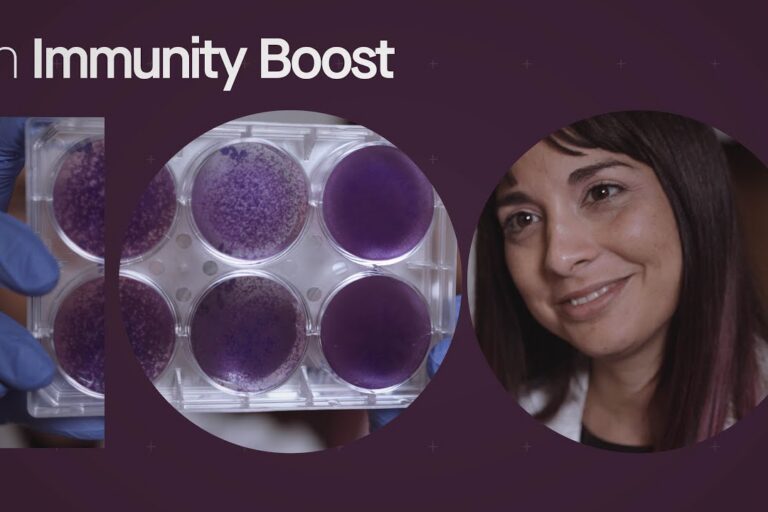
An immunity boost: A century of science changing life
In 1961, pioneering immunologist Frank Dixon established the Department of Experimental Pathology at the Scripps Clinic and Research Foundation, which would later become the basis of Scripps Research. Dixon served as director for 25 years, where his immunological focus would forever shape the institute’s scientific focus—as well as the world’s. Since Dixon’s leadership, scientists at Scripps Research have made countless discoveries revealing how the immune system functions and responds to different diseases. From designing universal vaccines for harmful viruses to uncovering the structures of deadly microbes, we're dedicated to translating our understanding of the immune system to eradicate disease worldwide.
-
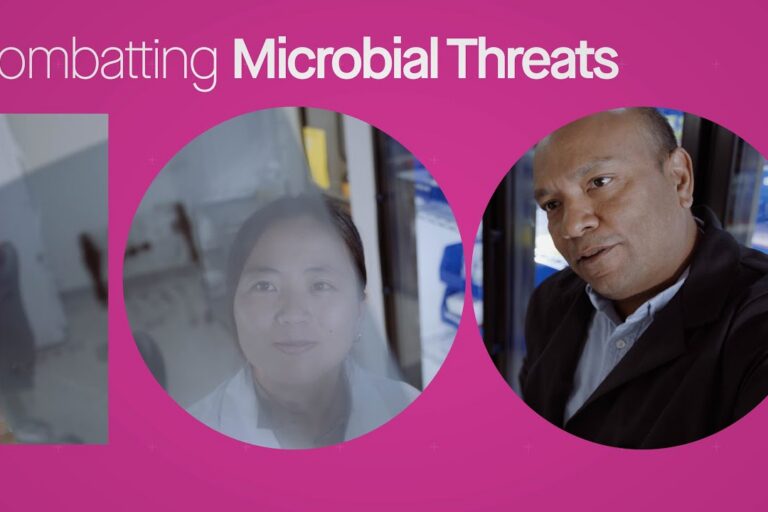
Combating microbial threats: A century of science changing life
Every day, scientists at Scripps Research are discovering and developing new treatments to combat today’s infectious disease threats—and tomorrow’s. Many of these researchers played a significant role in the COVID-19 pandemic, including identifying new antibody treatments and uncovering the virus’s structure. Meanwhile, they're also applying these key learnings to better prepare the global population for whichever microbial threat emerges next.
-
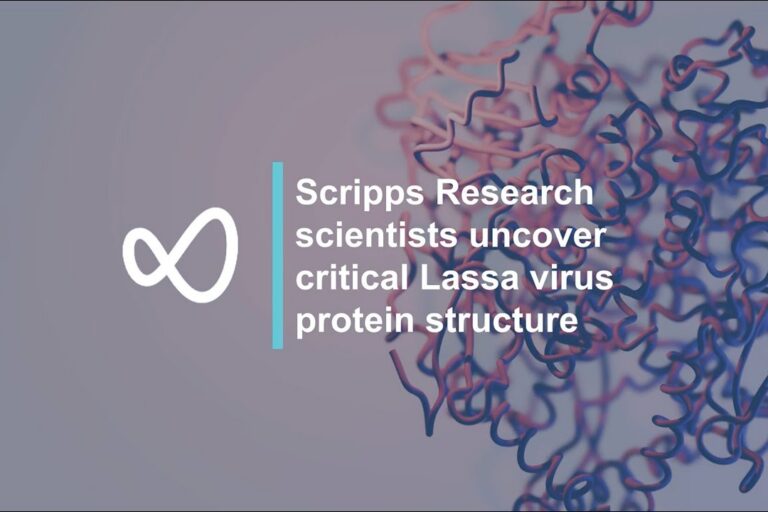
Uncovering critical Lassa virus protein structure
Every year, hundreds of thousands of people in West Africa become infected with Lassa virus, which can cause Lassa fever and lead to severe illness, long-term side effects or death. There are currently no widely approved treatments or vaccines for the disease. Now, scientists at Scripps Research have determined the structure of the critical protein complex that lets Lassa virus infect human cells. The research, published online in Cell Reports, also identified new antibodies that bind to these proteins and neutralize the virus, paving the way toward more effective vaccines and treatments for Lassa virus.
-
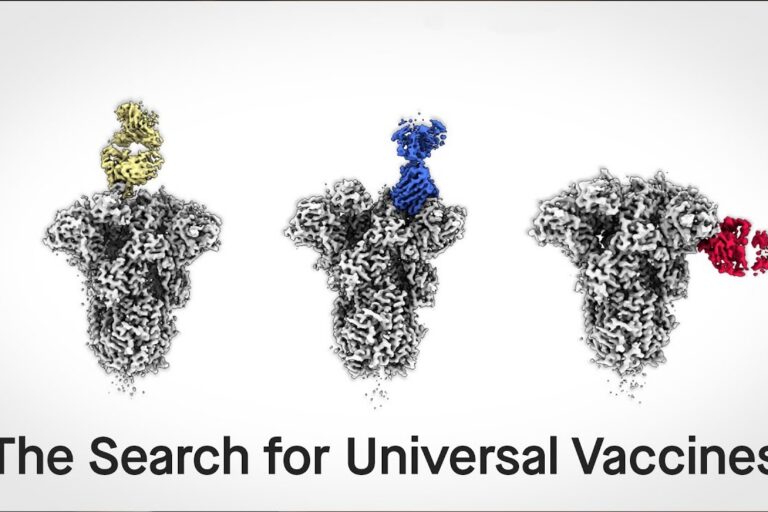
The search for universal vaccines
Scientists at Scripps Research are working to develop universal vaccines capable of neutralizing many variants of a given virus. In recent years, they've made significant progress toward creating universal vaccines for influenza, HIV and coronavirus. In this series, we hear from top scientists in the field about the effort to develop universal vaccines, and the impact these elusive immunizations could have on the world.
-
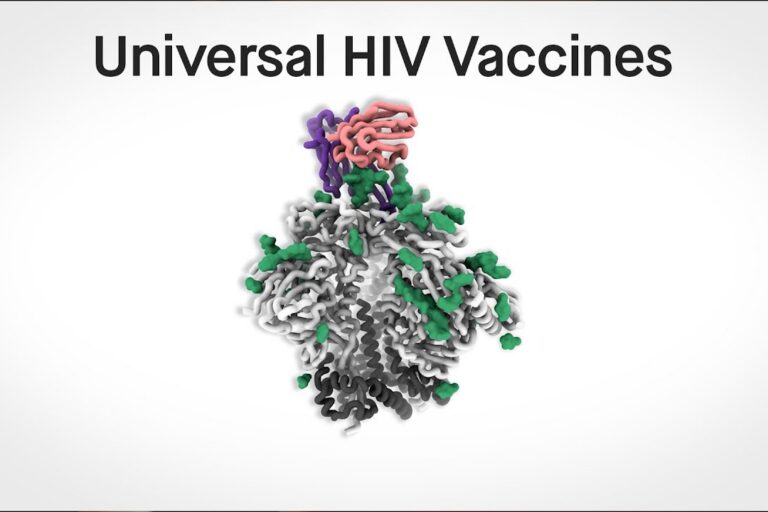
The search for universal HIV vaccines
Scientists at Scripps Research are working to develop universal vaccines capable of neutralizing many variants of a given virus. In recent years, they have made significant progress toward creating universal vaccines for influenza, HIV and coronavirus. In the third installment of our universal vaccine series, we hear from top scientists in the field about the latest developments in the effort to create universal vaccines for HIV, and the impact these elusive immunizations could have on the world. Professor William Schief and his team are focused on developing an effective HIV vaccine using a novel strategy: eliciting broadly neutralizing antibodies (bnAbs). bnAbs are a rare type of antibody that can fight and protect against many different variants of a virus. Researchers have long struggled to identify and induce the appropriate bnAbs for HIV vaccination, but Schief’s lab—in collaboration with many others at Scripps Research—is applying a variety of computation-guided and structure-based design techniques to overcome these historic hurdles.