Video Tag: Heart Disease
-
How scientists are trying to repair the body from within: Regenerative medicine and anti-aging
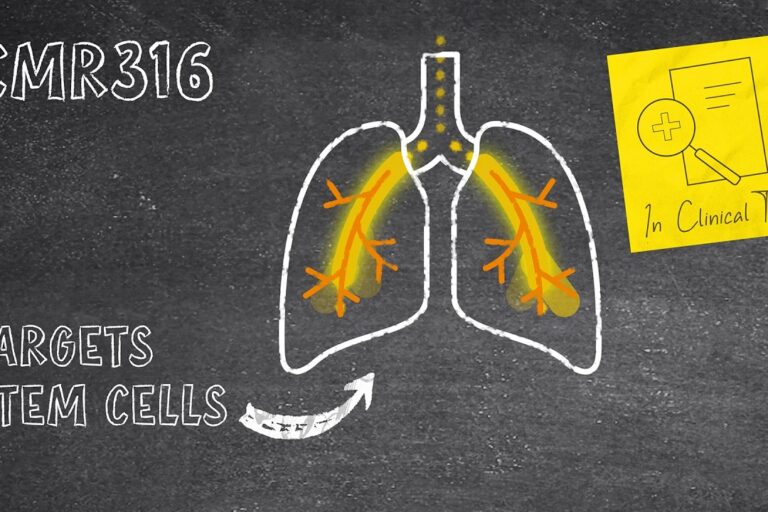
At Scripps Research and its drug discovery arm, the Calibr-Skaggs Institute for Innovative Medicines, scientists are developing regenerative medicine therapies designed to help the body repair itself from within. Unlike traditional medicines that primarily manage symptoms or slow disease progression, regenerative medicine aims to restore damaged tissues and rebuild function lost to aging and disease. Researchers are advancing programs focused on the heart, lungs, digestive tract and eyes, including investigational therapies for heart failure, idiopathic pulmonary fibrosis, inflammatory bowel disease, age-related macular degeneration and other chronic conditions that become more common as we age. Learn how scientists are activating the body’s natural repair mechanisms to explore a future where medicine may not only treat disease, but help reverse its damage.
-

Regenerating tissues to treat disease
Regenerative medicine involves harnessing the body’s own capacity to repair tissues and organs. In this Front Row lecture, Associate Professor Michael Bollong shared how he's identifying and targeting the pathways controlling regeneration. By combining traditional drug discovery tools with modern biological techniques, Bollong and his lab are developing novel medicines that can intervene in the processes that cause a spectrum of human diseases and medical conditions, including heart disease, inflammatory disease and fibrosis.
-
Fixing the misfolded proteins that cause dementia and heart failure
All proteins have a correct way of “folding” themselves into their 3D structures. When this folding process goes awry, including processes leading to protein misassembly, a number of devastating diseases can result. In this Front Row lecture, Scripps Research professor Jeffery Kelly shared how he's developing novel therapeutic strategies to target these protein misfolding diseases, which lead to deterioration of the heart and brain. His multi-disciplinary research has already led to the development of an FDA-approved drug available in the pharmacy called tafamidis (Vyndaqel® and Vyndamax®): a medicine that slows the progression of the neurodegenerative disease familial amyloid polyneuropathy and the degenerative heart disease called TTR cardiomyopathy.
-
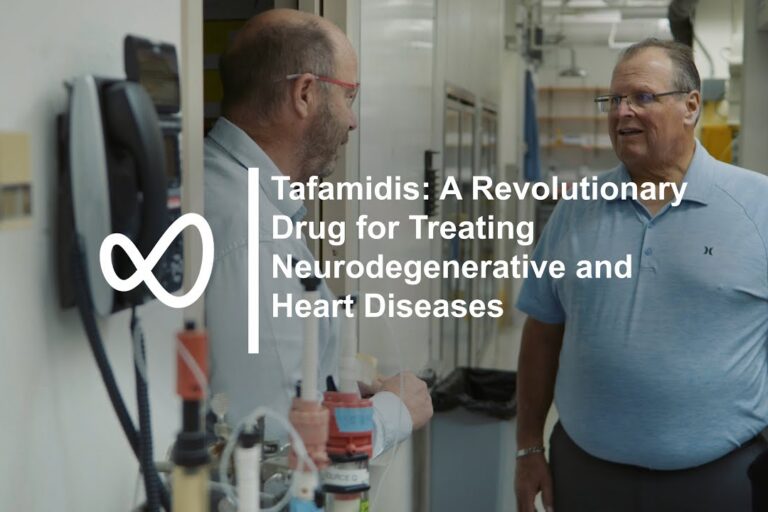
Tafamidis: A revolutionary drug for treating neurodegenerative and heart diseases
Scripps Research professor Jeffery Kelly received an unexpected visit from a patient whose life was dramatically improved by tafamidis—a revolutionary drug for treating neurodegenerative and heart diseases, developed by Kelly himself. Kelly is a leading figure at Scripps Research, spearheading efforts to address some of the most pressing medical challenges, including Alzheimer’s and various amyloid diseases. His cutting-edge research on protein misfolding has not only led to the development of tafamidis but has also broadened our understanding of protein aggregation disorders.
-
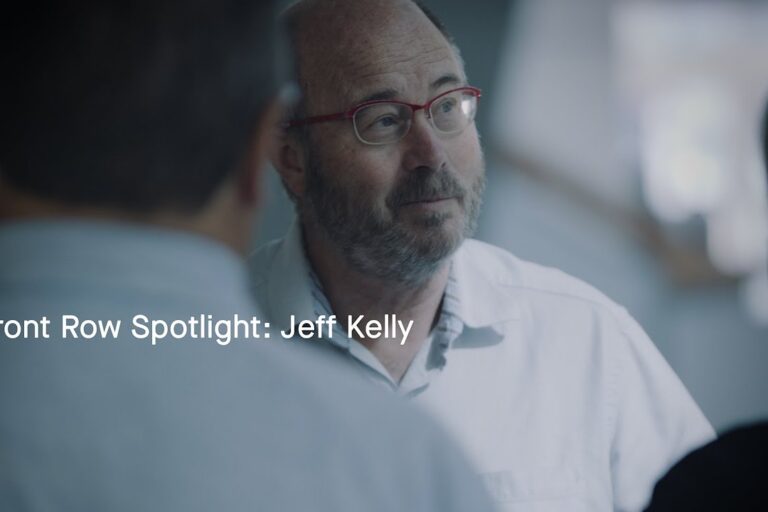
Front Row spotlight with Jeffery Kelly
Scripps Research professor Jeffery Kelly received an unexpected visit from a patient whose life was dramatically improved by tafamidis—a revolutionary drug for treating neurodegenerative and heart diseases, developed by Kelly himself. Kelly is a leading figure at Scripps Research, spearheading efforts to address some of the most pressing medical challenges, including Alzheimer’s and various amyloid diseases. His cutting-edge research on protein misfolding has not only led to the development of tafamidis but has also broadened our understanding of protein aggregation disorders.
-
New AI-powered algorithm could better assess people’s risk of common heart condition
A new artificial intelligence model designed by Scripps Research scientists could help clinicians better screen patients for atrial fibrillation (or AFib)—an irregular, fast heartbeat that is associated with stroke and heart failure. The model picks up on tiny variations in a person’s normal heartbeat that signify AFib risk, which standard screening tests cannot detect.
-
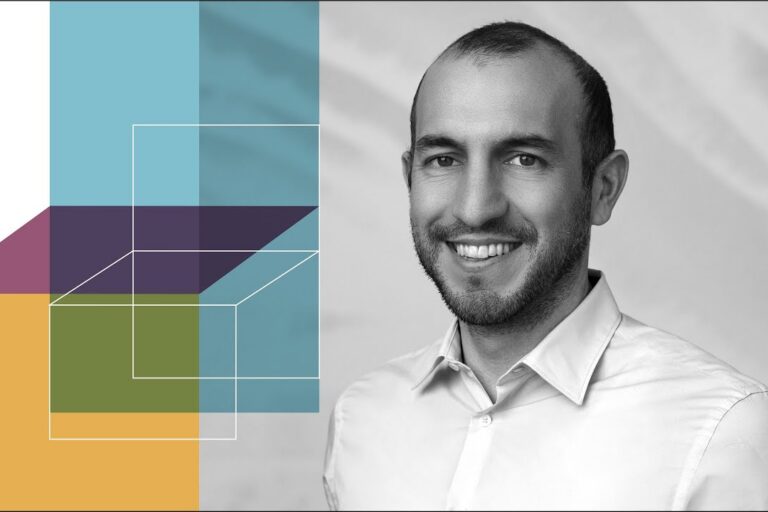
Preventing heart disease with machine learning and smartphone technology
Heart disease is the leading cause of death in the United States, yet our ability to predict and lower our own risk has been limited. In this Front Row lecture, Scripps Research professor Ali Torkamani shared how his team is developing app-based digital tools that can analyze genetic markers and predict someone’s future cardiovascular disease risk. Torkamani’s research is being integrated into remote clinical trials that can provide personalized behavioral and therapeutic interventions to improve long-term health outcomes.
-
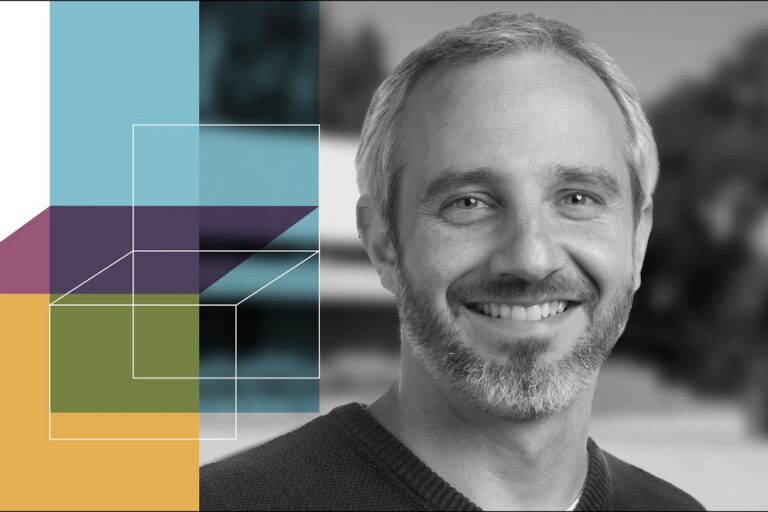
Visualizing the invisible machinery of life and death
Within each of our cells, countless microscopic molecular machines work to keep the body healthy. But when these machines break down, chronic diseases arise. In this Front Row lecture, Scripps Research professor Gabriel Lander shared how his lab is using the most powerful microscopes on the planet to visualize the ways these biological motors operate and how they can be controlled to fight chronic diseases. His discoveries are helping us understand how cellular machines communicate within the body, providing avenues for therapeutic intervention in cancer, heart disease and neurodegeneration.