Pathogen Genomics

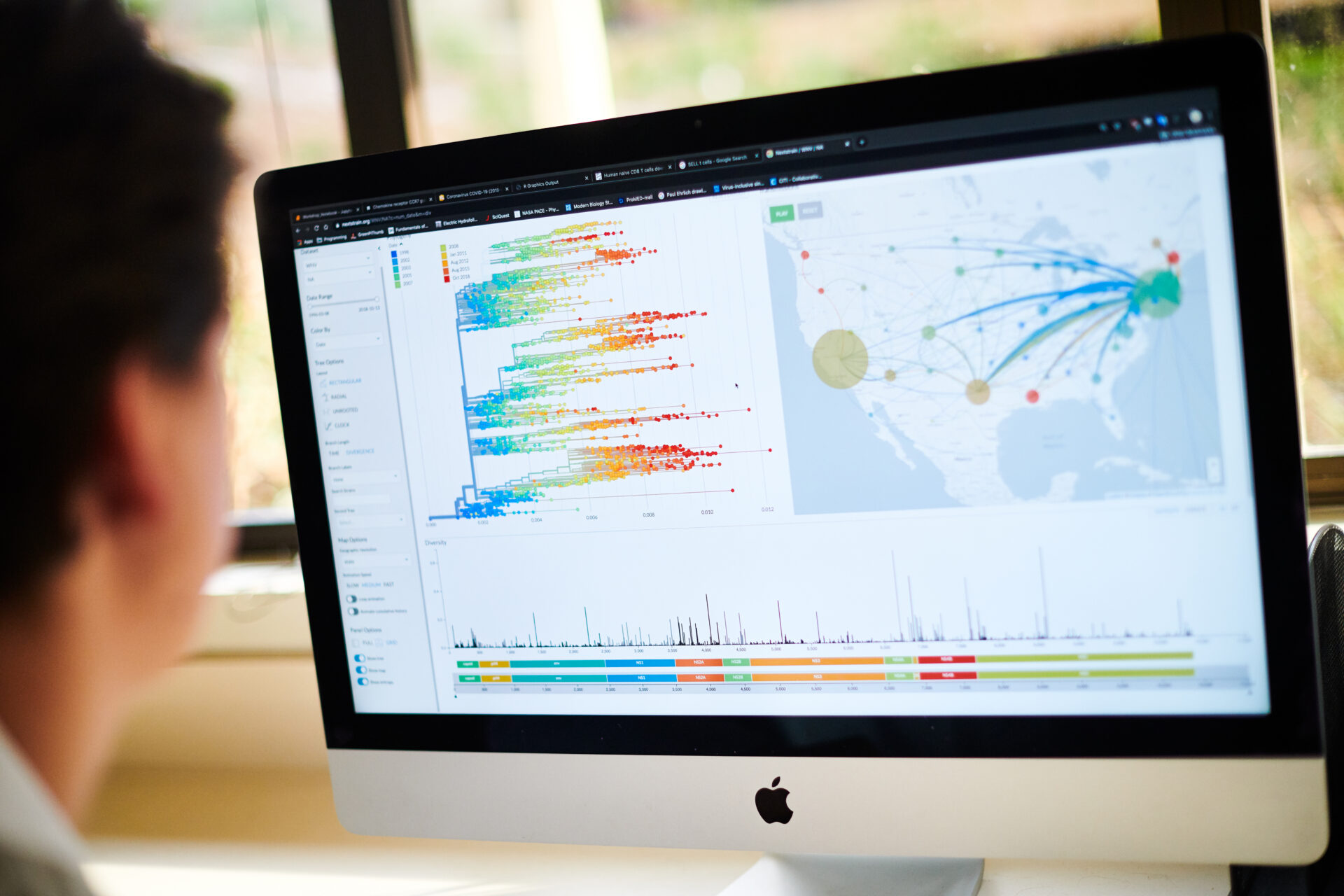
We aim to transform outbreak response by developing genomic tools to study the emergence, evolution and spread of highly pathogenic viruses.
Overview

As the world grows increasingly interconnected, new tools to detect and track viral outbreaks are critical to stopping them from spreading.

Scientists at the Scripps Research Translational Institute are pioneers in the field of genomic epidemiology, applying sequencing technologies and developing software tools to decode viral genomes.

Our research aims to improve prevention, diagnosis and treatment of emerging viruses—whether they are known diseases or something we have yet to discover.

Kristian Andersen, PhD Professor & Director of Infectious Disease Genomics

System-level understanding of Lassa fever and Ebola virus disease

The Center for Viral Systems Biology is an international research consortium focusing on understanding what genetic, immunological and physiological factors determine the outcomes of human disease from viral infections.

Wastewater-based outbreak surveillance

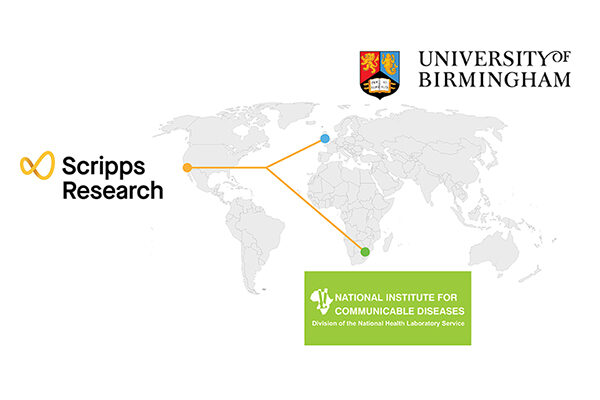
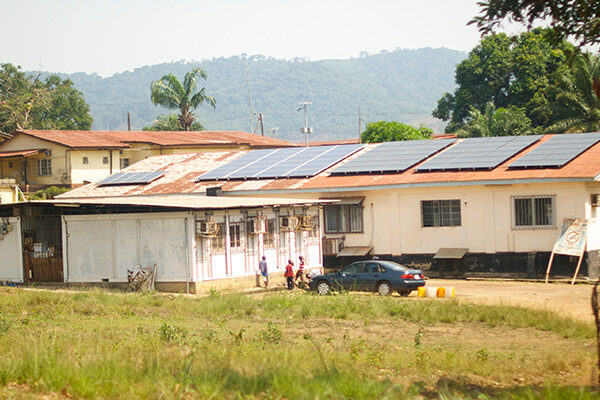
A collaboration between researchers at Scripps Research, in South Africa and the UK, MODJADJI is a research program that leverages wastewater to provide cost-effective pathogen surveillance around the world.

Respiratory virus epidemiology

The PREVENT research center is dedicated to understanding and mitigating the spread of respiratory illnesses.

Local COVID-19 epidemiology

The SEARCH alliance, launched at the start of the pandemic, is a research program aimed at investigating the incidence and spread of COVID-19 in San Diego and beyond.

Genomic data shows widespread mpox transmission in West Africa prior to 2022 global outbreak

Scripps Research scientists, in collaboration with researchers in Nigeria and Cameroon, show that mpox circulated among humans in Nigeria for eight years before the international outbreak, highlighting the need for improved surveillance.
Learn More

News, Events & Media
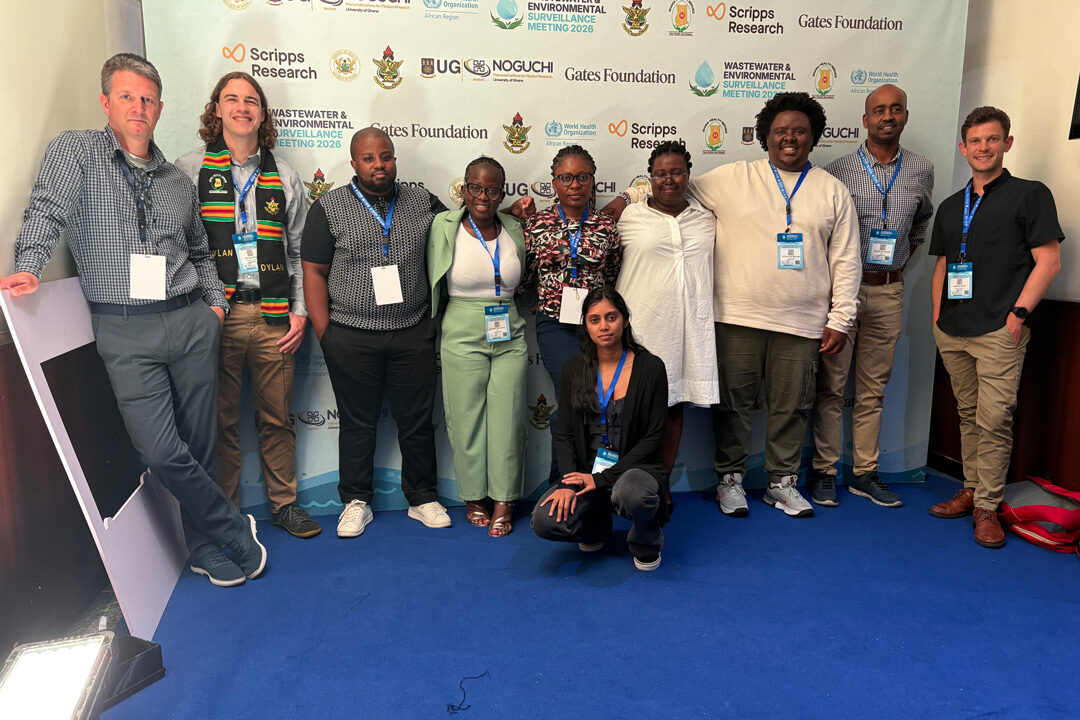
Scripps Research Professor Kristian Andersen (far left), Dylan Pilz (second from left) and Senior Project Scientist Josh Levy (far right) with their NICD colleagues at a recent conference in Accra, Ghana. Credit: Scripps Research
News

Scripps Research scientists awarded $2M to advance global disease surveillance

Genetic tracing at the Huanan Seafood market further supports COVID animal origins
News

Genetic tracing at the Huanan Seafood market further supports COVID animal origins

An international collaboration between Scripps Research, University of Arizona, CNRS and others provides additional analysis of how the pandemic began.

Scripps Research receives $1.5M to surveil infectious disease threats in wastewater
News

Scripps Research receives $1.5M to surveil infectious disease threats in wastewater

Bill & Melinda Gates Foundation award to support the development of multi-pathogen wastewater surveillance tools and protocols.

Scripps Research scientists granted up to $12.8M to study viral infections
News

Scripps Research scientists granted up to $12.8M to study viral infections

Grant renewal from the NIH-NIAID will help uncover critical information about the viruses that cause COVID-19, Lassa and Ebola, including how they evolve.  

Social distancing was more effective at preventing local COVID-19 transmission than international border closures
News

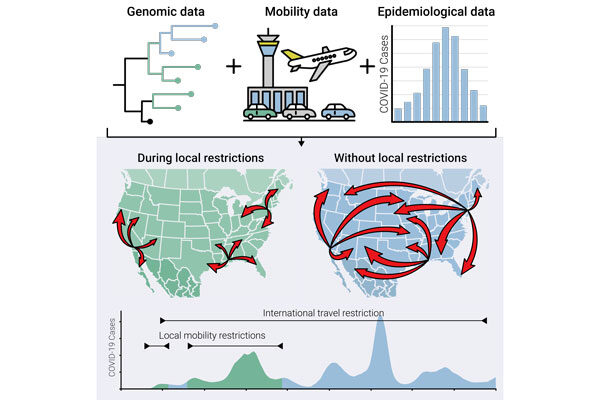
Social distancing was more effective at preventing local COVID-19 transmission than international border closures

Scripps Research scientists and collaborators uncovered the relative effectiveness of different COVID-19 mandates, helping guide public health policy for future viral threats.

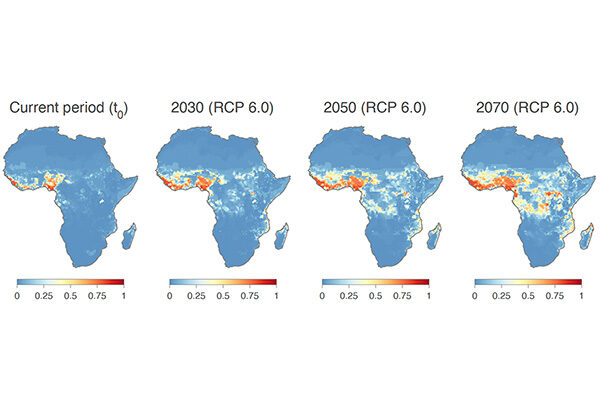
Lassa virus endemic area may expand dramatically in coming decades
News

Lassa virus endemic area may expand dramatically in coming decades

New analysis finds that climate change and other factors could soon make deadly Lassa fever a much bigger public health problem in Africa

scripps research science changing life podcast episode 54
Podcast

Pathogens in the pipeline: How wastewater holds clues to the next pandemic

What if the key to detecting the next pandemic was hidden in our wastewater? By analyzing pathogens found in sewage, scientists can track the spread of infections before they become widespread threats. In this episode of Science Changing Life, project scientist Josh Levy and PhD student Praneeth Gangavarapu explain how analyzing what goes down the drain can offer life-saving insights into the future of public health. Learn more about the role of wastewater surveillance in tracking a range of viruses—including SARS-CoV-2, H5N1 and even seasonal influenza.

Kristian Andersen Front Row lecture thumbnail.
Video

Outsmarting emerging pathogens in an interconnected world: Kristian Andersen, PhD, Scripps Research

Kristian Andersen shares unique insights on how the COVID-19 pandemic emerged and spread around the world.

Groundbreaking Science.
Life-changing Medicine.