

News Category: Press Release
-

PTSD and alcohol abuse go hand-in-hand, but males and females exhibit symptoms differently
In rodent experiments modeled to mimic real-life circumstances, scientists revealed brain mechanisms that could lead to targeted treatments.
-
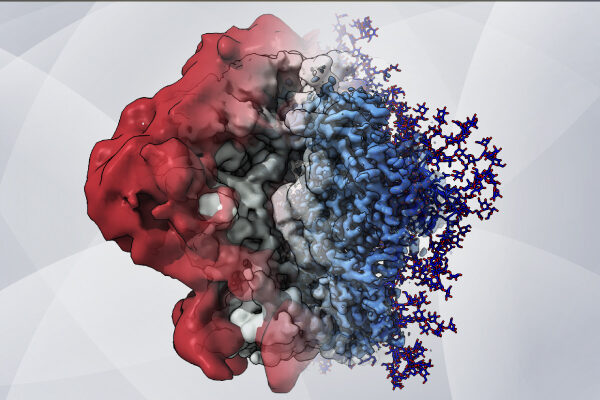
New imaging method reveals HIV’s sugary shield in unprecedented detail
The technique should help in the design of vaccines against HIV, SARS-CoV-2 and other viruses that cloak their outer proteins with sugars to evade antibodies.
-

San Diego research community: ICE proposal threatens scientific progress
Leaders from area’s top biomedical research institutes unite in outlining potentially negative impact of proposal, if implemented, on international scholars and scientific progress.
-
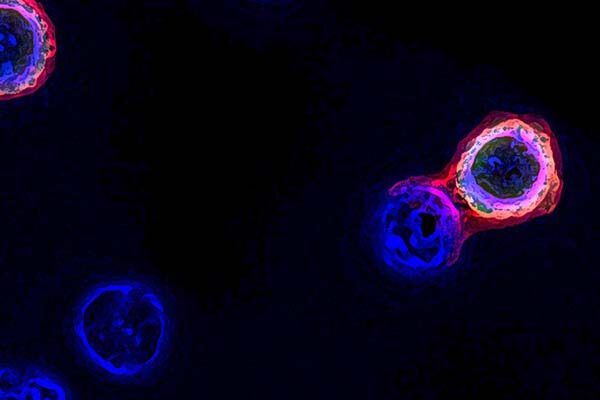
Rapid method of isolating tumor-targeting T cells could propel personalized cancer treatments
The technique seeks to fill an unmet need among scientists and doctors who need faster, more precise tools to identify useful tumor-infiltrating immune cells.
-
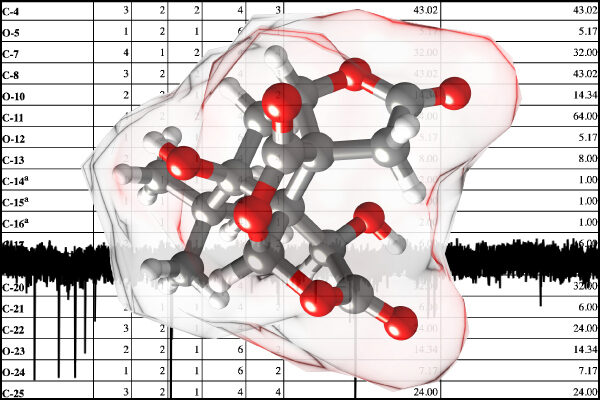
Chemists develop framework to enable efficient synthesis of ‘information-dense’ molecules
Researchers harness information theory to better understand how to make complex and compact molecules resembling those in nature.
-
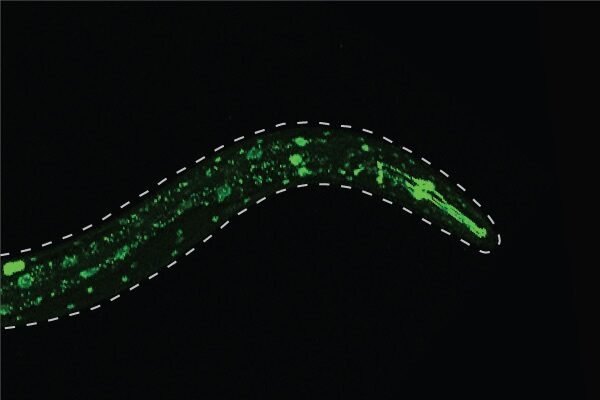
Feedback loop within intestinal cells may explain why prolonged fat-burning doesn’t diminish longevity
In studies involving roundworms, Scripps Research scientists discover a cellular process that may hold implications for treating metabolic diseases.
-

Gene linked to autism and epilepsy directs speed of human brain cell development
A gene associated with autism is found to direct the speed at which neurons mature.
-
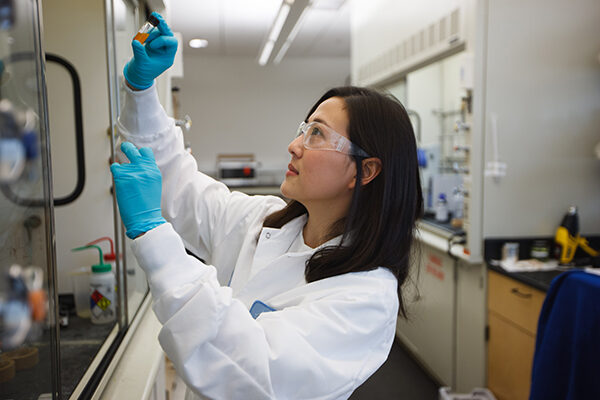
Immune activation in the liver illuminated with new glycan-tagging strategy
A signaling system implicated in liver fibrosis and immune activation is better understood thanks to this creative chemical fishing lure.
-
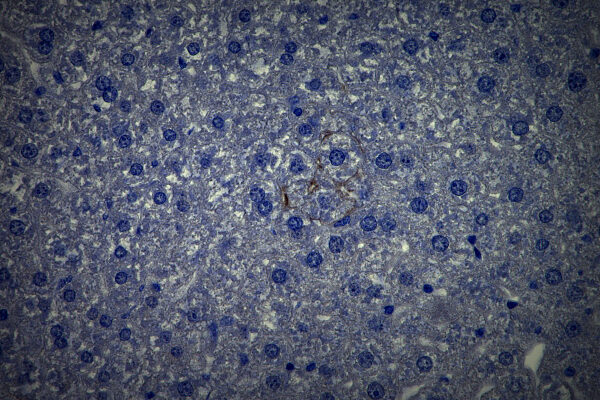
Study shows main cell type in the liver has key role in defending against some viruses
Hepatocytes, long known deactivating chemical toxins in the blood, should also be viewed as a significant element of the immune system.
-
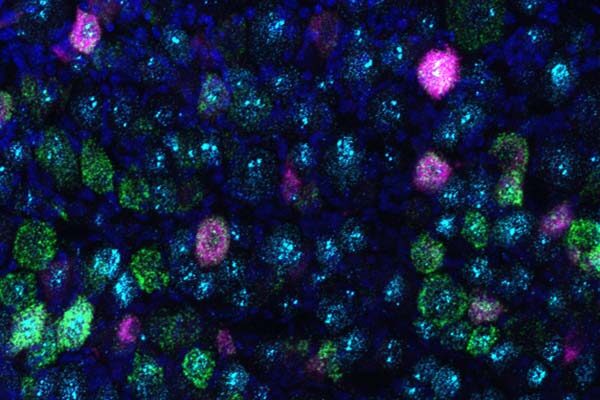
Scientists identify sensor protein that underlies bladder control
The discovery marks a key advance in basic neurobiology and may lead to better treatments for bladder control and urination problems.