
News Category: Press Release
-

Scripps Research, UC San Diego find first evidence of UK coronavirus variant in California
Since the team's discovery, several additional cases of the B.1.1.7 coronavirus variant have been identified across California.
-
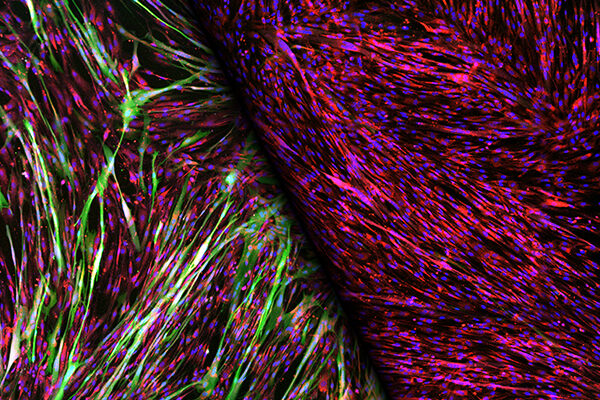
Targeting muscle cells’ insulin receptors allows more efficient gene therapy
A new approach to gene therapy improves the efficiency of gene delivery.
-

How Scripps Research helped map the course for today’s COVID-19 vaccines
Structural biologists developed the first detailed images of the coronavirus spike protein and then created a way to stabilize the protein for vaccines.
-

Discovery boosts theory that life on Earth arose from RNA-DNA mix
In addition to addressing age-old questions on origin of life, the finding may lead to new practical applications in chemistry and biology.
-
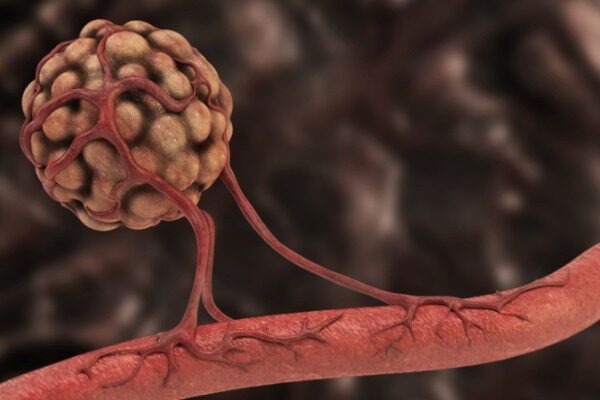
Enzyme discovery is missing piece in understanding how to rein in blood vessels that fuel cancer
The findings may enable better cancer treatments and new interventions for heart disease.
-

Experimental vaccine can counter dangerous effects of synthetic cannabinoids
Made in clandestine laboratories and sold widely across the United States, the diverse class of drugs known as synthetic cannabinoids presents a growing public health threat.
-
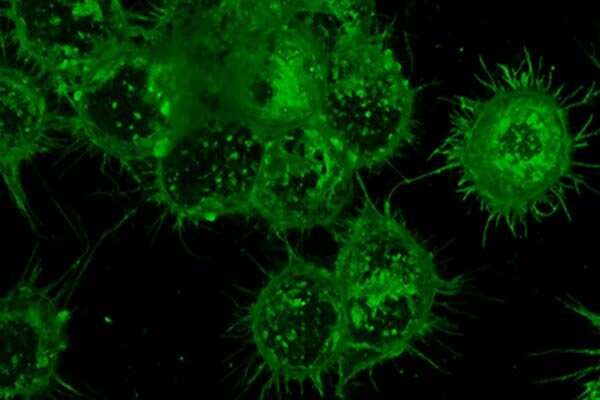
Potential treatment approach kills lymphoma while sparing healthy cells
The strategy relies on natural cancer-targeting cells of the immune system, called natural killer cells, that have been modified to selectively target lymphoma cells.
-
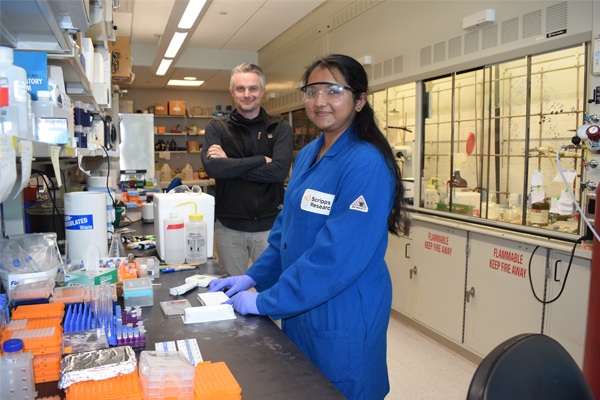
‘Functionalized fragments’ help design RNA medicines for undruggable diseases
A new tool enables scientists to tackle difficult molecular recognition problems to aid drug discovery for incurable diseases.
-

Scripps Research names Jin-Quan Yu to newly-endowed Bristol Myers Squibb Chair in Chemistry
A pioneering chemist, Yu's research has paved the way to powerful new techniques used in fields ranging from drug discovery to materials science.
-
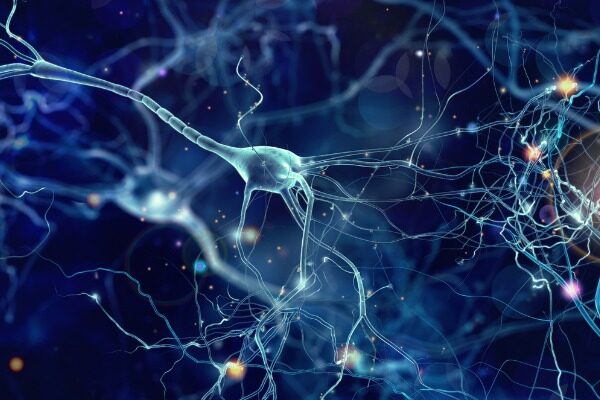
Hidden network of enzymes accounts for loss of brain synapses in Alzheimer’s
The discovery of abnormal chemical reactions may lead to novel targets for drugs that treat neurodegenerative diseases.