News Category: Press Release
-
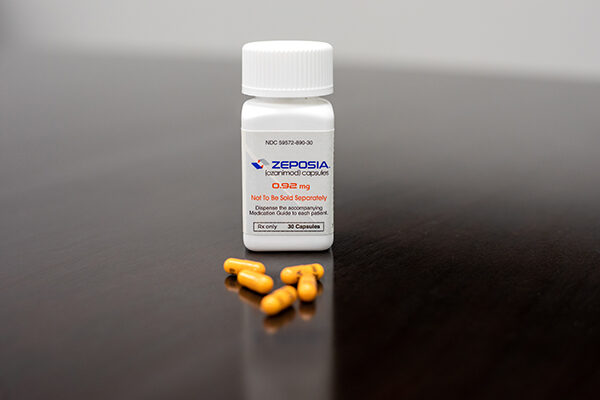
Multiple sclerosis drug invented at Scripps Research slows long-term devastating disease progression
Late-breaking data reinforces the effectiveness and safety of ozanimod, invented in the labs of professors Hugh Rosen and Edward Roberts.
-
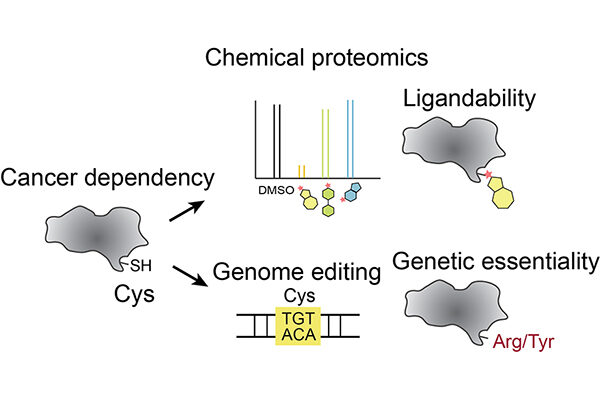
New cancer drug targets uncovered using base editing and chemical proteomics
Combining precise genome engineering and protein activity profiling to methodically study thousands of cancer genes, Scripps Research scientists were able to pinpoint promising cancer drug targets.
-

Keren Lasker named a 2023 Moore Inventor Fellow
The prestigious award will support Lasker’s inventive research in membraneless organelles and their application in neurodegenerative diseases.
-

Michael Bollong named a 2023 Amgen Young Investigator
The prestigious award will support Bollong’s research identifying new molecular targets and therapeutics, including in regenerative organ repair.
-

Philip Dawson receives 2024 American Chemical Society National Award
Dawson is honored with the Arthur C. Cope Late Careers Scholar Award for his foundational contributions in organic chemistry.
-

Scripps Research chemists devise a method for C-H activation of alcohols
The method represents a new toolkit for making drugs and other compounds.
-

Insomnia drug helps prevent oxycodone relapse, Scripps Research study shows
New findings suggest that treating insomnia can stop opioid-seeking behavior, even after ending treatment.
-

Scripps Research receives $1.5M to surveil infectious disease threats in wastewater
Bill & Melinda Gates Foundation award to support the development of multi-pathogen wastewater surveillance tools and protocols.
-
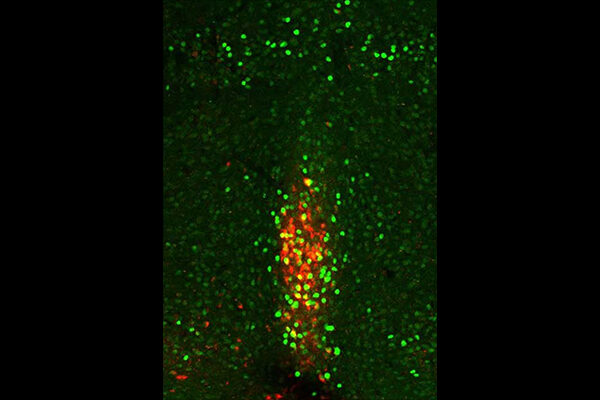
How cold temperatures trigger the brain to boost appetite
Scripps Research scientists’ discovery could lead to new weight loss and metabolic health treatments.
-
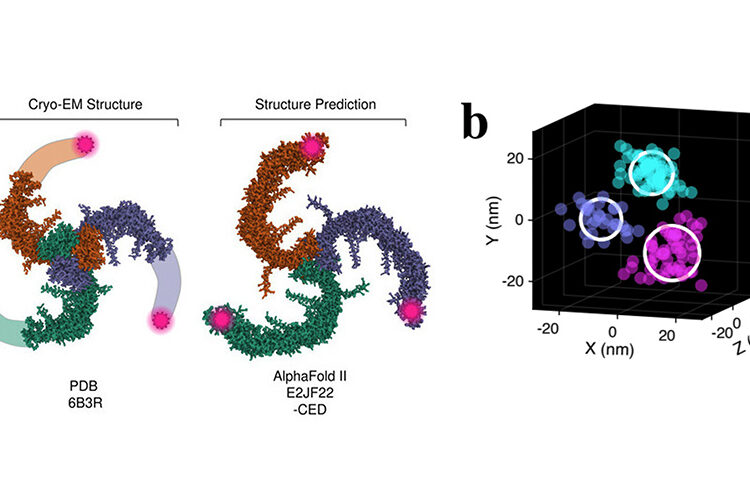
Scripps Research scientists reveal how sensory protein changes shape with nanometer resolution
The sensory receptor PIEZO1 changes shape in response to mechanical stimuli. The super high-resolution microscopy technology used in this discovery is a breakthrough in enabling protein structures to be studied within the cellular environment.