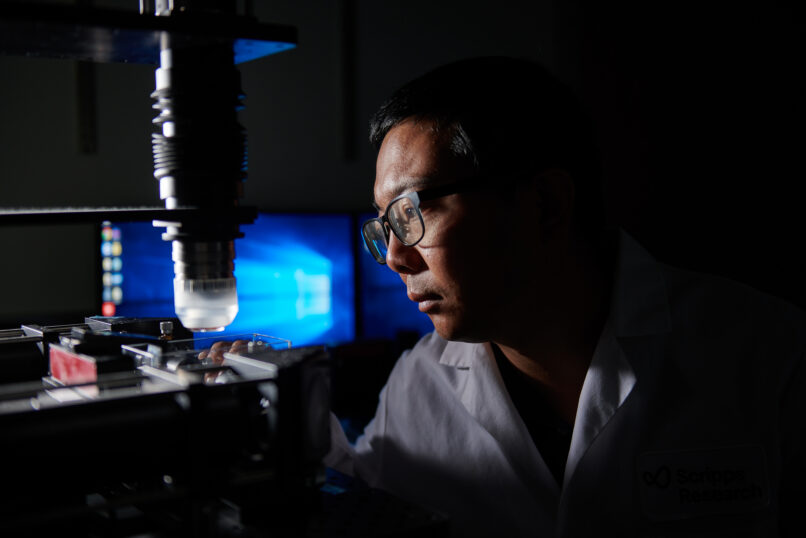
Michael Erb receives Breakthrough Science Initiative Award from Ono Pharma Foundation
July 10, 2020

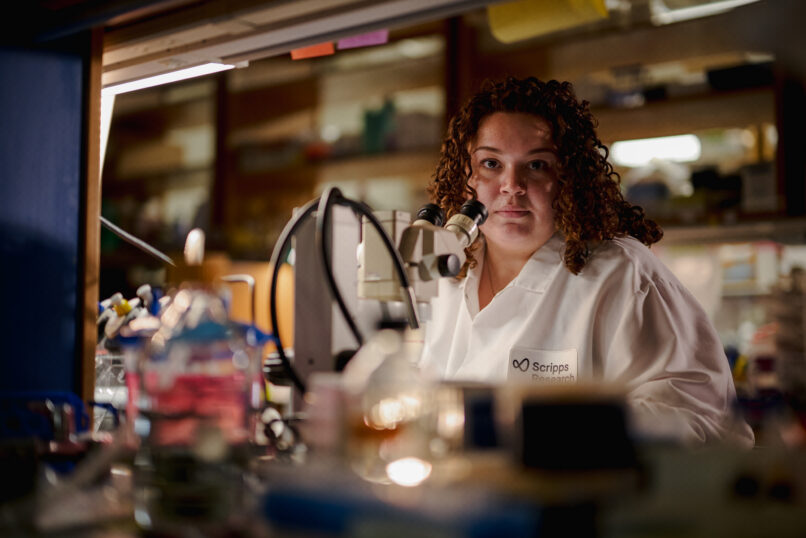
LA JOLLA, CA — Chemical biologist Michael Erb, PhD, has been named the recipient of the Breakthrough Science Initiative Award from the Ono Pharma Foundation. Erb will garner $900,000, plus funding for indirect research costs, for a total grant exceeding $1 million.
The highly competitive awards program is designed to support academic research and the career development of promising young and established scientists. Its goal is to advance innovative research proposals and findings that could lead to the discovery of breakthrough treatments for patients.
The three-year grant will support Erb’s creative, chemical biology approaches to pinpoint vulnerabilities in cancers such as acute myeloid leukemia (AML). The studies will address fundamental questions of cancer cell biology while simultaneously identifying novel targets for potential therapies.
As a Scripps Research Fellow and assistant professor in the Department of Chemistry, Erb knows the value of these early career awards to transform his work.
“We are deeply grateful for this support from the Ono Pharma Foundation and humbled to join the other outstanding awardees, past and present,” says Erb. “The members of my group have worked with such dedication to get these projects off the ground, and with this award we are eager to see our ideas become reality.”
The Ono Pharma Foundation was established to promote academic research that has potential for making a significant impact on therapeutic approaches to disease and pain management. The Breakthrough Science Initiative Awards Program embodies the Foundation’s commitment to accelerate researcher-driven innovation, with a focus on supporting high-risk and high-reward science projects.
Michael Erb earned his doctorate in Biological and Biomedical Sciences at Harvard University before becoming a faculty member of Scripps Research in 2018. With an outstanding record of graduate research, Erb joined the Scripps Research Fellows Program, granting candidates the ability to set up and manage an independent research group, accelerating the transition from student to principal investigator. Shortly after joining Scripps Research, Erb received the Director’s Early Independence Award from the National Institutes of Health (NIH).
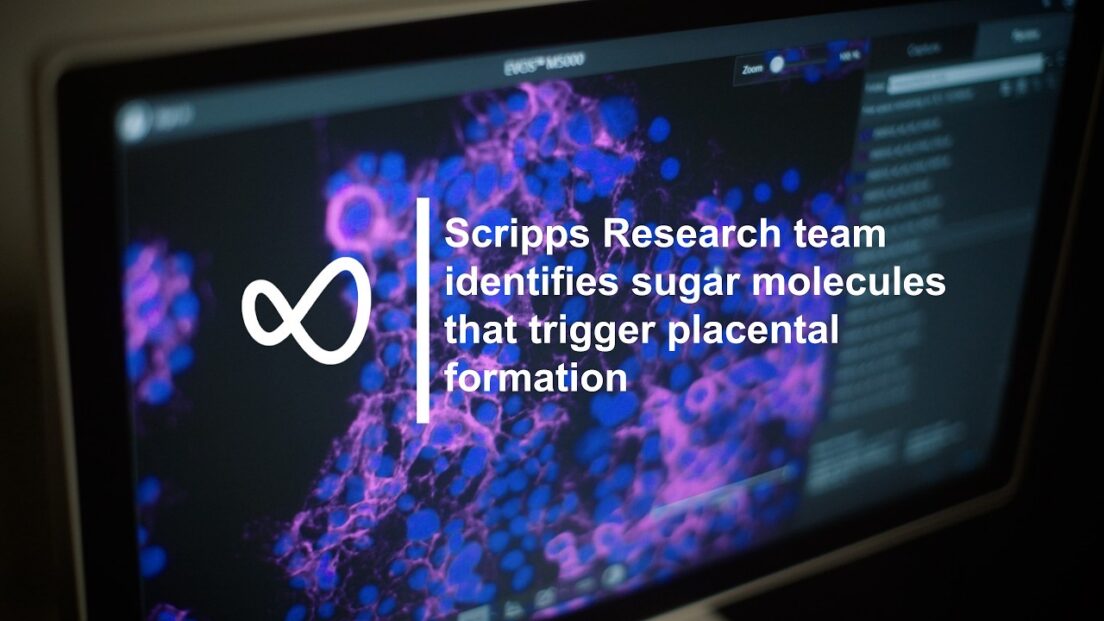
Scripps Research team identifies sugar molecules that trigger placental formation
During the first weeks of pregnancy, the developing placenta in a mother’s womb undergoes a dramatic change. Individual cells merge, forming a continuous barrier that will spend the next nine months ferrying oxygen and nutrients to the growing fetus while keeping the mother's immune system at bay. When this structure fails to form properly, pregnancies are at higher risk of complications, including preeclampsia and restricted fetal growth. Now, scientists at Scripps Research have identified a key player in the placenta’s transformation—a molecule called galectin-3 that binds to sugar molecules on specific cell surface proteins, likely holding placental cells tightly together to fuse.

Close encounters: Designing drugs that recruit the cell’s own machinery to fight cancer and beyond
Some of the most devastating diseases are driven by proteins that cannot be targeted with conventional drugs. Scientists are now discovering ways to control disease by recruiting the cell’s own machinery to tackle this challenge. In this Front Row lecture, Associate Professor Michael Erb took the audience inside the cell to explain how his team is developing “proximity” drugs. Erb’s innovation has implications to change how scientists and cells join forces to fight against breast, prostate and blood cancers. Learn how proximity drugs can eliminate proteins, rewire essential cellular pathways, and enable researchers to target previously “undruggable” proteins.