TSRI Professor Paul Robbins, PhD, who develops therapies to address cellular senescence and aging-related diseases, has collaborated with David Frisbie, DVM, PhD, and Wayne McIlwraith, DVM, PhD, at Colorado State University’s Orthopedic Research Center to advance innovative osteoarthritis treatments for horses and humans.
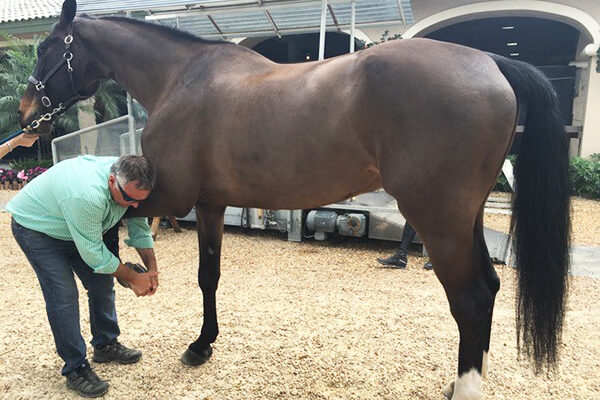
More than 27 million people live with osteoarthritis, and it turns out, elite racing and jumping horses do, too. Repeated athletic performance can damage cartilage, saidTimothy Ober, DVM, senior veterinarian withJohn R. Steele & Associates and U.S. Team Veterinarian, Show Jumping. Cartilage lacks a blood and nerve supply, and so it generally doesn’t heal well on its own.Robbins told the group of about 40 equestrians and veterinarians who attended the Feb. 6 symposium aboutKA34, a compound discoveredat the TSRI-affiliated non-profit the California Institute for Biomedical Research (Calibr). The experimental drug encourages adult stem cells in the joint to mature toward chondrocytes, the cells that produce and maintain healthy cartilage, Robbins said.Robbins said clearing senescent cells, which may drive inflammation and many other diseases of aging, including arthritis, may one day be a complementary therapy to such regenerative approaches.
“We have identified two drugs that actually reduce the level of senescent cells. In animals, speed, endurance and strength improves after treatment,” Robbins told the equestrians.
Intervening to prevent early cartilage loss in horses is an important goal, Ober added.“Joint pain and joint inflammation are the biggest challenge we face,” Ober said.
How scientists are trying to repair the body from within: Regenerative medicine and anti-aging
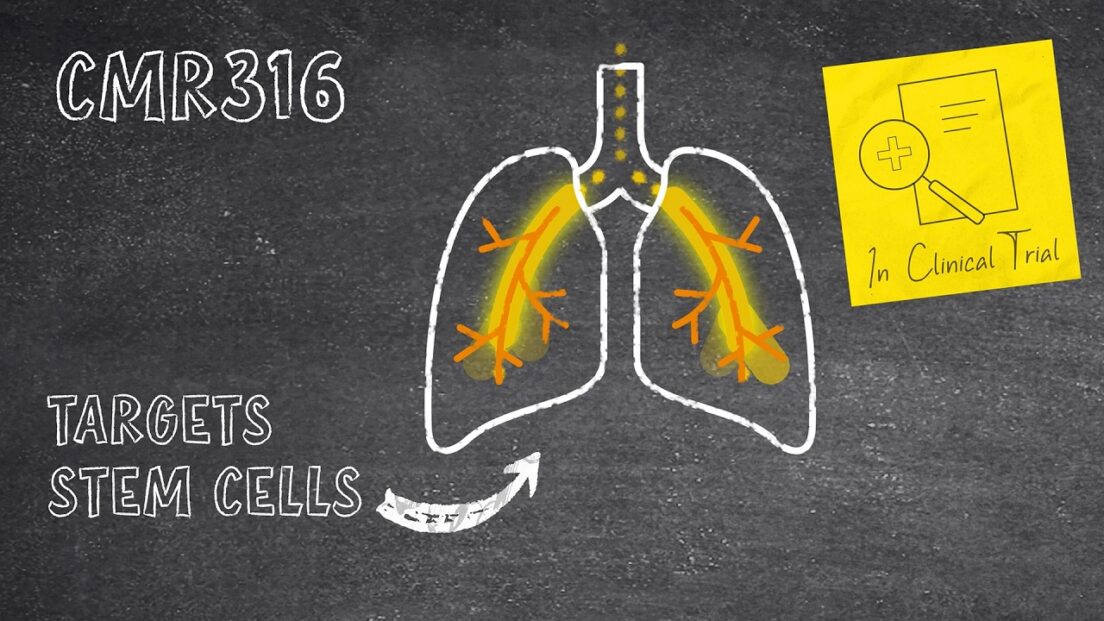
At Scripps Research and its drug discovery arm, the Calibr-Skaggs Institute for Innovative Medicines, scientists are developing regenerative medicine therapies designed to help the body repair itself from within. Unlike traditional medicines that primarily manage symptoms or slow disease progression, regenerative medicine aims to restore damaged tissues and rebuild function lost to aging and disease. Researchers are advancing programs focused on the heart, lungs, digestive tract and eyes, including investigational therapies for heart failure, idiopathic pulmonary fibrosis, inflammatory bowel disease, age-related macular degeneration and other chronic conditions that become more common as we age. Learn how scientists are activating the body’s natural repair mechanisms to explore a future where medicine may not only treat disease, but help reverse its damage.
2025 year in review: Five insights we’re still thinking about
In a special year-end episode of Science Changing Life, we’re revisiting five moments from 2025 that continue to shape how we think about science. Featuring insights from Scripps Research experts across genetics, infectious disease, public health surveillance and chronic illness, this episode features some of this year’s most memorable soundbites.
Science Changing Life
Explore
In the Media
I’m a 71-year-old super-ager. Here’s how you can become one too