
Remi Martin-Fardon, PhD
Associate Professor of Translational Medicine
Department of Translational Medicine

Research Focus
My work is dedicated on projects that investigate the neurobiological basis of chronic vulnerability to drug relapse a major challenge in the treatment of post-dependent individuals. These projects focus on (1) identifying the neural substrates of the distinctly compulsive nature of drug (i.e., cocaine, alcohol, opioids) seeking compared with behavior that is motivated by natural rewards and (2) repurposing already FDA-approved compounds that could be good candidate to treat drug use disorder.
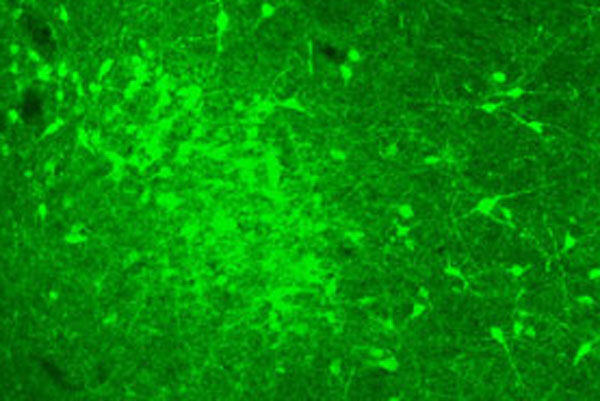
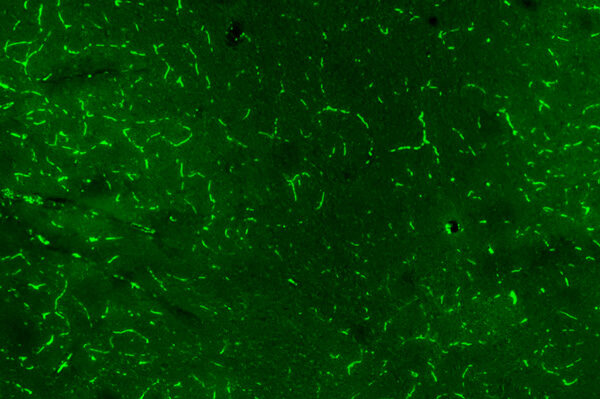
We use animal models of relapse and systematically compare drug vs. nondrug (usually a highly palatable food reward) in animals with and without a history of drug dependence. These models include cue-, stress-, and prime-induced drug-seeking behavior that are known factors that can induce intense craving and trigger relapse in abstinent individuals. Using a combination of original molecular techniques (i.e., AAVs, DREADDs) and gold-standard animal models, this work has been a seminal contribution to the field in that the orexin (hypocretin) system is strongly engaged in drug-seeking behavior. In addition, this work made the key link showing that the orexin transmission in the paraventricular nucleus of the thalamus region not originally thought to be part of “drug addiction circuitry,” is implicated in modulating drug-directed behavior. Furthermore, these projects have identified that the dual orexin receptor antagonist suvorexant (marketed by Merck as Belsomra® for the treatment of insomnia) selectively blocked the stress-induced reinstatement of drug (alcohol and oxycodone) seeking.
In addition to the orexin system, studies have shown promising outcomes of Glucagon-like peptide-1 receptor (GLP-1R) agonists on alcohol and opioids related responses. Consequently, my work has been recently dedicated at investigating the role for of the GLP-1/GLP-1R system in drug-seeking behavior and to test whether repurposing FDA-approved GLP-1R agonists (e.g., Ozempic) for type-2 diabetes and weight loss treatment, could have potential to treat drug craving and relapse.
Select Publications
-
Matzeu, Alessandra; Martin-Fardon, Rémi Understanding the Role of Orexin Neuropeptides in Drug Addiction: Preclinical Studies and Translational Value. 2022, 15, 787595.
-
Matzeu, Alessandra; Martin-Fardon, Rémi Blockade of corticotropin-releasing factor receptor 1 in the central amygdala prevents cocaine-seeking behaviour induced by orexin-A administered to the posterior paraventricular nucleus of the thalamus in male rats. Journal of Psychiatry & Neuroscience 2021, 46, E459-E471.
-
Matzeu, Alessandra; Martin-fardon, Remi Cocaine-Seeking Behavior Induced by Orexin A Administration in the Posterior Paraventricular Nucleus of the Thalamus Is Not Long-Lasting: Neuroadaptation of the Orexin System During Cocaine Abstinence.. Frontiers in behavioral neuroscience 2021, 15, 620868.
-
Stouffer, David G.; Serrano, Antonia; Roberto, Marisa; Polis, Ilham Y.; Pavon, Francisco J.; Parsons, Loren H.; Martin-fardon, Remi; Fonseca, Fernando R.; Cravatt, Benjamin F. Selective inhibition of monoacylglycerol lipase is associated with passive coping behavior and attenuation of stress-induced dopamine release in the medial prefrontal cortex.. Neurobiology of stress 2021, 14, 100293.
-
Matzeu, Alessandra; Martin-fardon, Remi Blockade of Orexin Receptors in the Posterior Paraventricular Nucleus of the Thalamus Prevents Stress-Induced Reinstatement of Reward-Seeking Behavior in Rats With a History of Ethanol Dependence.. Frontiers in integrative neuroscience 2020, 14.
-
Pavon, Francisco J.; Polis, Ilham; Stouffer, David G.; Roberto, Marisa; Martin-Fardon, Rémi; Rodriguez de Fonseca, Fernando; Parsons, Loren H.; Serrano, Antonia COX-2 Inhibition Antagonizes Intra-Accumbens 2-Arachidonoylglycerol-Mediated Reduction in Ethanol Self-Administration in Rats. 2020, 44, 2158-2165.